Category Archives: Education News

TSC Breaking News, KCSE Results, KCPE Results, KNEC News, KUCCPS, HELB & MOE latest updates.

KUPPET WANTS TSC TO FIX DISCREPANCIES IN TEACHERS’ SALARIES; LATEST NEWS ON TSC SALARIES

TSC SHOULD FIX DISCREPANCIES IN TEACHERS’ SALARIES, KUPPET NOW DEMANDS; LATEST NEWS ON TSC SALARIES

In 2015, a landmark court battle between the Kenya Union of Post Primary Education Teachers, KUPPET, and the teachers’ employer the Teachers Service Commission, TSC culminated in THE AWARDING OF A 50 TO 60 percent increment of teachers’ basic salaries to redress discrimination in TSC pay structures.

However, it is now five years down the line but teachers are still suffering under a discriminatory regime that has continued to give room for unjustifiable discrepancies in the pay for various TSC employees.

NEW GRADES

Protracted negotiations between the KUPPET and TSC were based on the fact that although the TSC grading systems for the TSC secretariat were similar to those of teachers, there were discrepancies when it comes to salaries.

According to the complaints tabled by KUPPET then, the TSC secretariat staff earn salaries of between 50 and 60 percent above that of the teachers despite having similar qualifications and being in the same grades.

Under the Constitution, the right to equality and nondiscrimination is a basic tenet of the bill of rights. KUPPET, therefore, wanted the salaries to be harmonized.

SRC

The TSC however tabled a counter-proposal to the 50-60 percent dubbed the “working document.”

The commission then sought the inclusion of the Salaries and Remuneration Commission, SRC to enable it to come up with a concrete proposal.

This resulted in the TSC appealing the judgment. The court of appeal ruled that the Labour Court did not have the basis to determine the percentage for the increase of the basic salary of a teacher.

DISCRIMINATION

Since the appellate judgment, the Government has not shown any willingness to address the outright discrimination in the TSC pay structure.

KUPPET has therefore decided to seek constitutional remedies for the Government’s inaction.

“Where a minister or body refuses or neglects to act on court orders, the proper course is for the party to apply to the High Court for an order of mandamus compelling performance of statutory duty. The union’s legitimate claims must be constitutionally and procedurally processes. The need to retrace all constitutional and statutory steps to an eventual end of a valid salary increment and a proper negotiated CBA is an urgent one,” wrote KUPPET’S Deputy Secretary-General in The Standard yesterday.

KUPPET further argues that the determination of matters of the national wage bill must involve the National Treasury, SRC, and TSC.

The SRC cannot however negotiate with trade unions on matters salary increment since there is no constitutional body to cater to them.

KUPPET concludes by saying that teachers have legitimate expectations to be treated equally with other TSC employees at the Secretariat. After Covid-19, the union has promised to use all its available resources to challenge the unjustifiable discrepancies in TSC salary structures.


KNEC INVITES EXAMINERS FOR THE 2019 KCPE AND KCSE MARKING EXERCISE

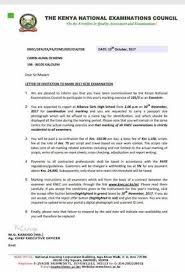
 The Kenya National Examinations Council, KNEC, has given new guidelines for examiners who would wish to take part in the marking of the 2019 KCSE and KCPE examinations.

KCPE and KCSE examiners are therefore expected to log on to a new portal https://examinersapp.knec.ac.ke to download their invitation letters.

The letters contain important information on reporting dates, rates for marking, marking instructions and centres.

GUIDELINES ON HOWTO DOWNLOAD KNEC EXAMINERS’ INVITATION LETTERS ONLINE

1. KNEC will invite all the qualified examiners for the marking of the 2019 KCPE and KCSE exams online.

2. The site will be accessible as from 22nd October, 2019 for both KCPE and KCSE examiners.

3. Interested examiners are expected to do the following:

3.1 Access the KNEC website through this link: https://examinersapp.knec.ac.ke and log into their accounts- those with cp2 accounts.

3.2 Those without cp2 accounts should create a new account and submit their mobile number, username and password for logging into the system.

3.3 After logging in successfully, submit personal information then save.

3.4 Using the dashboard provided access, download and print the invitation letter and marking instructions.

4.0 For more details, you can contact:

4.1 Telephone numbers: 0720 741 003, 0775 471 980, 0732 333 530 or 0775 471 997.

4.2 Email addresses: fa@knec.ac.ke or sefa@knec.ac.ke.

The 2019 KCPE and KCSE marking exercise is scheduled to take place in November/ December.


Kenya Co-curricular Activities Calendar Released

Co-curricular Activities Calendar 2022/2023 Released; School games are back as the Ministry of Education releases the 2022 sports calendar

After a two-year suspension, school games are making a comeback. After the deadly Covid 19 pandemic in Kenya, the games were halted in March 2020. However, the wait is now over, as the Ministry of Education has released the 2022 school sports calendar.

This comes after a stakeholders’ meeting that was held earlier this year. The decision for games Resumption was arrived at during the four-day caucus attended by the Kenya Secondary Schools Sports Association (KSSSA) officials and their counterparts from the Ministry of Education.

Term one games (which comprise athletics, cross country, basketball, hockey, and handball) will be held in June 2022, according to the released calendar.

Term two games (soccer, netball, volleyball, and racquet games) will, on the other hand, be held in the second term.

The national championship for term one games activities has been scheduled for June 18th to 22nd, 2022, in Kabsabet, Rift Valley Region, and will be preceded by an umpires’ and referees’ clinic on June 14th to 17th, 2022

The Sub counties and counties must complete their term one games by June 14, 2022, according to the calendar.

KSSSA TERM ONE GAMES CALENDAR 2022 

S/N Level Dates
1 KSSSA Nationals at Nandi County (Kapsabet Boys and Girls) 18/06/2022 to 22/06/2022
2 Regional Games By 18/06/2022
3 County Games By 14/06/2022
4 Sub County Games By 14/06/2021

Rift Valley region will also hold special secondary school national athletics during the same dates.

Federation of East African secondary school Association (FEASSA) games 2022 are still to be announced, as are the dates and sites for the east African competitions.


TSC SELECTION CRITERIA FOR DEPLOYMENT OF P1 TEACHERS TO SECONDARY SCHOOLS; CRITERIA FOR DEPLOYING P1 TEACHERS TO SECONDARY SCHOOLS, HOW TO APPLY, QUALIFICATIONS, MINIMUM REQUIREMENTS, VACANCIES, ONLINE APPLICATION PORTAL AND LIST OF SUCCESSFUL APPLICANTS

TSC SELECTION CRITERIA FOR DEPLOYMENT OF P1 TEACHERS TO SECONDARY SCHOOLS; CRITERIA FOR DEPLOYING P1 TEACHERS TO SECONDARY SCHOOLS, HOW TO APPLY, QUALIFICATIONS, MINIMUM REQUIREMENTS, VACANCIES, ONLINE APPLICATION PORTAL AND LIST OF SUCCESSFUL APPLICANTS>>TSC ADVERTS

LATEST TSC GUIDELINES FOR THE DEPLOYMENT OF P1 TEACHERS TO SECONDARY SCHOOLS

EXTERNAL LINKS WITH RELATED CONTENT

The Teachers Service Commission opened a window for the deployment of primary school teachers to secondary schools.

In its previous deployment, the TSC advertised 1000 vacancies. Successful P1 teachers joined Grade C2 T-Scale 7 meaning that their salaries increased significantly.

Unfortunately, many P1 tutors who applied for deployment into secondary but they were not selected still have many questions unanswered. Some do not understand the criteria used to deploy P1 teachers to secondary schools.

BELOW IS A DETAILED GUIDE TO THE PROCESS OF DEPLOYING P1 TEACHERS TO SECONDARY SCHOOLS; DEPLOYMENT OF P1 TEACHERS ONLINE PORTAL, VACANCIES, APPLICATION PROCEDURE, QUALIFICATIONS/REQUIREMENTS, TERMS OF SERVICE AND SELECTION LIST

DEPLOYMENT OF P1 TEACHERS TO SECONDARY SCHOOLS ONLINE PORTAL

Just like TSC internships, P1 teachers wishing to be deployed by the Teachers Service Commission, TSC to secondary schools are expected to apply online via the TSC E-recruitment Center.

The deployment of P1 teachers to secondary schools can be accessed by clicking on the following link Teachers Service Commission of Kenya Online Services>>Apply for Appointment of Teachers in Public Primary Schools

To apply for deployment to secondary schools, click HERE


OUR OTHER ARTICLES ON TSC MATTERS INCLUDE

TSC Annual Salary Increment for Ordinary Teachers, a complete break-down

TSC Annual Salary Increment for Principals

Latest TSC Salaries and Promotions for Diploma Teachers in Secondary Schools and P1 teachers

DEPLOYMENT OF P1 TEACHERS TO SECONDARY SCHOOLS REQUIREMENTS/ QUALIFICATIONS (SELECTION CRITERIA)

Not all P1 teachers are eligible to apply for deployment to secondary schools in Kenya. Eligible candidates must meet the following minimum requirements;

  1. Be Kenyan Citizens
  2. Be holders of a valid P1 certificate
  3. Have a Bachelor’s Degree in Education with two teaching subjects
  4. Have a KCSE Mean Grade of C+ (Plus) and above or its equivalent.
  5. Have at least C+ (Plus) in the two teaching areas (subjects.)


DEPLOYMENT OF P1 TEACHERS TO SECONDARY SCHOOLS APPLICATION PROCEDURE

The application procedure for deployment of P1 teachers to secondary schools is quite simple.

  1. Access the TSC online portal for the appointment of teachers in public primary schools by clicking HERE
  2. Scroll down the page to check whether you are eligible by reading through the Requirements
  3. Remember to check the terms of service too.
  4. Next, fill in your details on the spaces provided under the “APPLICANT DETAILS” Section. This step includes verification of your data including your Surname, Id No/ Passport No, and TSC No.
  5. Confirm whether you are serving under Career Progression Guidelines, CPGs.
  6. Confirm whether you have a PI Certificate then click on the tab labeled “Continue” to proceed.
  7. Complete the next steps by following the instructions given.


DEPLOYMENT OF P1 TEACHERS TO SECONDARY SCHOOLS GRADE/ JOB GROUP AND SALARY

P1 teachers who get successfully deployed to secondary schools enjoy better TSC salaries and allowances given the higher job group or grade that comes with the deployment.

Successful applicants get to join Grade C2 (T-Scale 7).

They will be earning a basic salary of 31, 956 per month now that the TSC has effected an annual salary increment for teachers in all job groups.


Read Also

TSC Promotes 1, 000 P1 teachers

TSC Boss Dr. Nancy Macharia Breaks Her Silence on Teachers’ New Salaries

DEPLOYMENT OF P1 TEACHERS TO SECONDARY SCHOOLS LIST

Once the selection exercise is over, the TSC will provide a list of all the successful applicants and dispatch their deployment letters directing them to report in their new stations of work.


DEPLOYMENT OF P1 TEACHERS TO SECONDARY SCHOOLS POSTING LETTERS

Deployment of P1 teachers’ letters are dispatched the current work stations/schools directing the P1 teachers to report to their new stations of work within the stipulated time.

The TSC deployment letters also indicate the teacher’s new Grade, previously referred to as Job Group that is Grade C2 and the teacher’s new salary after deployment.

The posting letter also indicates the terms of the work.


Wanga TVC Courses, Contacts, Fees, Location and How To Apply

Wanga Technical and Vocational College (TVC) is located in Kakamega County, Mumias East Sub-County, along Shianda Sabatia Road. It was established under the TVET Act 2013 on September 1st, 2019. 

The college is under the Ministry of Education, State Department for Vocational and Technical Training. It offers technical training in departments like Building and Civil Engineering and Mechanical. The Kakamega County government had previously supported the establishment of the college. 

The institution is registered with the Technical and Vocational Education and Training (TVET) Authority and is listed on the KUCCPS website. It is a government TVET institution under the Ministry of Education, State Department for Technical, Vocational Education and Training.

Wanga Technical and Vocational College Contacts

  • Address: P.o Box 78-50106 Kakamega;
  • Location: Kakamega, Kenya;
  • Telephone Number: 0710 156942;
  • Email Address: wangatechnical@gmail.com;

Wanga TVC Approved Diploma and Certificate Programs

Apply directly to the College for consideration in a number of Diploma and Certificate Courses offered at the TVC..

Wanga Technical and Vocational College (TVC) offers a variety of courses in different departments, including: Building and Civil Engineering, Mechanical Engineering, Electrical Engineering, Business Studies, and HospitalityAdditionally, they offer courses in Information Communication Technology, and Agriculture. Some specific courses mentioned are Certificate in Sales and Marketing, Computer Studies, and Mass Communication. 

Here’s a more detailed breakdown:
  • Building and Civil Engineering:
    This department focuses on the practical skills needed for construction and infrastructure development. 

  • Mechanical Engineering:
    This department provides training in the design, production, and maintenance of mechanical systems and equipment. 

  • Electrical Engineering:
    This department focuses on the principles and applications of electricity, electronics, and related technologies. 

  • Business Studies:
    This department offers courses in areas such as accounting, office administration, and other business-related fields. 

  • Hospitality:
    This department likely covers areas like food production, sales, and service within the hospitality industry. 

  • Information Communication Technology (ICT):
    This department provides training in computer skills, programming, and other ICT-related fields. 

  • Agriculture:
    This department provides training in various aspects of agricultural practices. 

  • Other courses:
    The college also offers courses in Mass Communication and potentially others depending on the department. 

Wanga Technical and Vocational College Kuccps Approved Courses

The TVC offers the following Courses that are approved by the Kenya Universities and Colleges Central Placement Service (KUCCPS):

  1. Accounting Technician Diploma
  2. Building Technician Level 6
  3. Human Resource Management Level 6
  4. Mechanical Production Technician Level 6
  5. Business Management Level 6
  6. Food And Beverage Production (Culinary Arts) Level 5
  7. Supply Chain Management Level 5
  8. Social Work And Community Development Level 5
  9. Water Engineering Level 6 (Tvet-Cdacc)
  10. Mechanical Production Technology Level 6
  11. Office Administration Level 5
  12. Land Surveying Level 6
  13. Land Surveying Level 5
  14. Human Resource Managementlevel 5
  15. Social Work And Community Development Level 6
  16. Ict Technician Level 5
  17. Accountancy Level 6
  18. Ict Technician Level 6

Why Study at the Wanga TVC

Studying at Wanga Technical and Vocational College (TVC) offers the opportunity to acquire practical, industry-relevant skills, preparing students for the job marketTVET institutions like Wanga TVC bridge the gap between education and the workforce, ensuring graduates are well-equipped to meet employer demands. The college provides a wide range of courses, and its location in Kakamega County makes it accessible to residents and those from outside the county. 

Here’s a more detailed look at the benefits of studying at Wanga TVC:
  • Practical Skills:
    Wanga TVC focuses on providing hands-on training, equipping students with the technical skills and knowledge needed for various trades and professions. 

  • Job Market Relevance:
    TVET programs are designed to address the skills gap in the job market, ensuring graduates are competitive and readily employable. 

  • Accessibility:
    Located in Kakamega County, Wanga TVC is accessible to students from the surrounding areas and beyond. 

  • Course Variety:
    The college offers a wide range of courses, allowing students to choose a program that aligns with their interests and career goals. 

  • Community Impact:
    Wanga TVC contributes to the development of the local community by providing skilled individuals who can contribute to the workforce. 

  • Potential for Further Education:
    Some students may choose to pursue further education at universities or other institutions after completing their studies at Wanga TVC. 

Wanga Technical and Vocational College (TVC) Fees Structure

Generally, Total fees per year is Kshs 67,189 · The Government gives a capitation of Kshs. 30,000 per year per trainee.

The fees covers the following Vote heads:

  • Tuition (Government New funding model): KShs.39,719
  • Personal emoluments: 10,500
  • Electricity, Water, and Conservancy(W.C): KShs.3,970
  • Local Transport and Travel.(T.T): KShs.4,200
  • Resource Management and Infrastructure (M.I): KShs.4,000
  • Activity: 4,800

Total: KShs.67,189

Other Applicable charges

  • Registration(Charged once on admission): 2,000
  • Student ID (Charged once on admission): 500
  • Student welfare(Annually): 900
  • Caution money(Charged once on admission): 1,000
  • Tveta fees(Charged once on admission): 500

Total: KShs.4,900

Grand Total: KShs.72,089.

Wanga TVC Courses Duration.

TVC (Technical and Vocational College) courses vary in duration, depending on the specific course. Generally, Craft Certificates take 1-2 years, while Diplomas can range from 2-3 yearsSome short courses, like welding or baking, may be completed in a few weeks or months.

Examples of course durations:
  • Craft Certificate:
    • Building Technology: 1 year 6 months (Module I & II)
    • Carpentry & Joinery: 2 years
    • Plumbing: 3 months
    • Welding & Fabrication: 8 weeks
  • Diploma:

    • Building Construction Technology: 3 years
    • Human Resource Management: 3 years
    • General Agriculture: 3 years
    • Automotive Engineering: 3 years
  • Short Courses:

    • Welding/Fabrication: 12 weeks
    • MIG Welding: 8 weeks
    • TIG Welding: 8 weeks
    • Cake Baking and Decoration: 2 months

Factors affecting course duration:

  • Level of the course:Certificates are typically shorter than Diplomas.
  • Specific trade or field:Different trades may have varying durations.
  • College or institution:Some institutions may have slightly different program structures.
  • Intake schedule:Some courses have specific intake periods (e.g., January, May, September).

Check the specific Course fees details here:

Wanga TVC online application

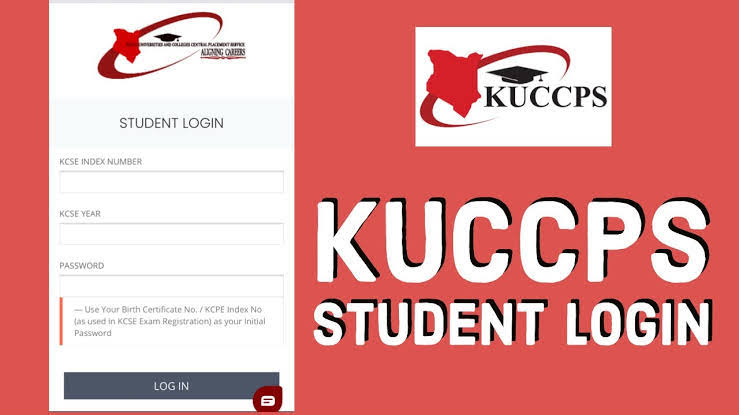
Applications and placement to the TVC are done through the Kenya Universities and Colleges Central Placement Service (KUCCPS) Portal. To apply for placement through KUCCPS, you need to access the student’s portal on the KUCCPS website and log in using your KCSE index number, year of examination, and passwordOnce logged in, you can explore available programs and institutions, and then submit your preferred choices. Start your application by clicking on this Kuccps Student Portal Link.
You can also apply directly to the institution for admission.
 
The Minimum requirements are: C- for diplomas, D+ for craft certificates and E for artisan courses. But, different Courses may have more specific requirements.

Wanga Technical and Vocational college admission requirements

To qualify for any course at Nyakach Technical Training Institute, you must first meet the requirements below;

  1. Be a Kenyan citizen and have either an Identification card or a birth certificate to prove this.
  2. You must have completed your KSCE and received your certificate.
  3. Have scored the required minimum grade as per the programme you are applying for.
  4. You need a mean grade of:
  • C– (minus) and above for diploma courses.
  • D (plain) and above for craft certificate courses
  • D – (minus) and below for artisan certificate courses

Wanga TVC Kuccps application procedure

After confirming that you qualify for a course at the Technical Training Institute, the second step is to apply to the TVET College. There are two ways to apply to  Vocational and Training Institute; physically collect the application letter from the institution’s admission office. Apply through the Kenya Universities and Colleges Central Placement Service (KUCCPS). As this is an online application, you must carefully follow the instructions given to ensure a successful application. The process is as given below;

  1. Log into kuccps.ac.ke.
  2. Click on the apply now tab and choose your preferred programme.
  3. Once a course is successfully selected, the website automatically redirects you to the student portal for KUCCPS.
  4. Click on the log-in prompt. You will be prompted to enter your KCSE index number, year of completion, and password as previously selected.
  5. On a successful log-in, click on institutions. Scroll through the list of available TVET colleges and select the TVC.
  6. The screen displays the college and all the courses on offer for that academic year.
  7. Click on the course you want to apply. A 7-character code appears; note this down.
  8. Click on the revision tab. Click on Apply now; it prompts you to enter the 7-character code you noted down. Enter the code and submit your application
  9. Finally, make the necessary application payments through your mode of choice from the provided list; preferably MPESA.
  10. In the KUCCPS online application, a successful submission must have the programme code, name/duration, and the institution’s name. If successfully considered, you will receive an admission letter via the portal that you download and use to get admission to the institution. Of course, you will also receive your admission results via SMS.

Wanga Technical and Vocational College Admission Letter.

You can get the admission letter to the TTI by visiting the Kuccps Student Portal, Instituion’s Website and by paying a physical visit to the Tertiary institution. But, the best, quickest and most convenient application method is via the Kuccps portal.

All Technical Training Institute Diploma, Certificate and Artisan Courses Fees 

Download the free pdf documents below that have complete details of all TTI Courses and their Fees per year:

Career Opportunities for TVC Graduates

TVC graduates in Kenya have a wide range of career opportunities, primarily in technical and vocational fieldsThese include roles as trainers in TVET institutions, skilled workers in various industries like construction, manufacturing, and hospitality, and entrepreneurs who can leverage their skills to start their own businesses. 

The Career opportunities for Technical and Vocational Training Colleges’ Graduates include:

1. TVET Trainer/Lecturer:

  • Many TVET institutions are actively seeking qualified trainers to teach in various disciplines. 
  • Opportunities exist at both the certificate and diploma levels, requiring specific qualifications and often pedagogy training. 
  • Examples include positions at institutions like the Kenya School of TVET, The Eldoret National Polytechnic, and various other TVC institutions. 

2. Skilled Trades and Technical Roles:

  • Graduates can find employment in various industries that require technical skills, such as:
    • Construction: Building, plumbing, electrical installation, etc.
    • Manufacturing: Machine operation, fabrication, maintenance, etc.
    • Hospitality: Food and beverage service, catering, housekeeping, etc.
    • Agriculture: Agri-business, farm management, animal health, etc.
    • ICT: Hardware and software support, networking, web development, etc.
  • The demand for skilled workers in these sectors is constantly growing. 

3. Entrepreneurship:

  • TVC graduates can use their skills to start their own businesses. Examples include:
    • Fashion and design: Tailoring, dressmaking, fashion design.
    • Cosmetology: Hairdressing, beauty therapy, nail art.
    • Automotive: Mechanics, panel beating, auto electrical work.
    • Hospitality: Catering services, food vending, event planning.
  • The government encourages entrepreneurship through various initiatives and support programs. 

4. Other Job Opportunities:

  • Public Relations and Receptionist:

    TVETA, for example, has advertised for positions like Public Relations Assistant/Receptionist. 

  • Career Counseling and Guidance:

    Graduates with relevant experience can work in career guidance and counseling roles in institutions or with organizations like the Office of Career Services (OCS). 

  • Project Management:

    Some TVET institutions are also offering programs in project planning and management, which can lead to roles in project coordination and implementation. 

5. Specific Fields in Demand:

The following fields are highly on demand and are worthy considering:

  • Digital Skills:

    The rise of technology has increased demand for professionals in digital design, smart construction, and other related fields. 

  • Creative Industries:

    Skills in areas like journalism, interior design, fashion design, and media production are also in demand. 

  • Sustainable Practices:

    The growing focus on green and sustainable building practices opens up opportunities for professionals in these areas. 

6. Government Initiatives:

  • The Ministry of Education, State Department for TVET actively seeks to recruit qualified trainers and other staff. 
  • Various government agencies and institutions offer internship and training programs to support TVET graduates. 

TECHNICAL AND VOCATIONAL COLLEGE FEES STRUCTURE

The annual tuition fee for TVET courses at many Kenyan Technical and Vocational Colleges (TVCs) is Ksh 67,189This includes a government capitation of Ksh 30,000 per trainee, leaving a balance of Ksh 26,420 to be paid by the student, which can be paid in installments. Additionally, students may be eligible for a HELB loan of Ksh 40,000. Other potential costs include KUCCPS registration fees, industrial attachment fees, and examination fees. 

Table 1: TVC Fees Structure Per Year without Government Captitaion

TVC Fees Structure Per Year without Government Captitaion

Table 2: TVC Fees Structure Per Year with Government Captitaion

TVC Fees Structure Per Year.

Table 3: TVC Fees Structure Per Year with Government Captitaion

TECHNICAL AND VOCATIONAL COLLEGE FEES STRUCTURE

GOVERNMENT SCHOLARSHIP AND LOAN FOR TVC STUDENTS.

Following your placement, you are eligible for a Government scholarship, Loan and Bursary to assist with your educational expenses. If you need Government financial support, you MUST make an application for consideration through the official website www.hef.co.ke. In the case Government scholarship, Loan and bursary do not cover the entire cost of your program, the deficit will be met by your parent/guardian.

REQUIREMENTS FOR APPLICATION FOR TVC FUNDING

1. A valid email address
2. Valid telephone number (must be registered in your name to apply for a loan)
3. KCPE and KCSE index numbers and year of examination
4. Passport size photo
5. Copy of your National ID (for loan application)
6. College/University admission letter
7. Your parents’ registered telephone number
8. Your parents’ national ID number
9. Death certificate if any of your parents is deceased.
10. Your birth certificate.
11. Two guarantors’ (Can be your parents) ID numbers and registered telephone

DETAILS ON ALL TTI/ TVC INSTITUTIONS.

Maasai Mara TVC Courses, Contacts, Fees, Location and How To Apply


Lunga Lunga TVC Courses, Contacts, Fees, Location and How To Apply


Loima TVC Courses, Contacts, Fees, Location and How To Apply


Lodwar TVC Courses, Contacts, Fees, Location and How To Apply


Limuru TVC Courses, Contacts, Fees, Location and How To Apply


Likoni TVC Courses, Contacts, Fees, Location and How To Apply


Lari TVC Courses, Contacts, Fees, Location and How To Apply


Lang’ata TVC Courses, Contacts, Fees, Location and How To Apply


Lamu East TVC Courses, Contacts, Fees, Location and How To Apply


Laisamis TVC Courses, Contacts, Fees, Location and How To Apply


Laikipia North TVC Courses, Contacts, Fees, Location and How To Apply


Kongoni TVC Courses, Contacts, Fees, Location and How To Apply


Kitutu Masaba TVC Courses, Contacts, Fees, Location and How To Apply


Laikipia East TVC Courses, Contacts, Fees, Location and How To Apply


Kitutu Chache TVC Courses, Contacts, Fees, Location and How To Apply


Kitui East TVC Courses, Contacts, Fees, Location and How To Apply


Kisiwa TVC Courses, Contacts, Fees, Location and How To Apply


Laikipia West TVC Courses, Contacts, Fees, Location and How To Apply


Kirinyaga Central TVC Courses, Contacts, Fees, Location and How To Apply


Kiptaragon TVC Courses, Contacts, Fees, Location and How To Apply


Kipsoen TVC Courses, Contacts, Fees, Location and How To Apply


Kipsinende TVC Courses, Contacts, Fees, Location and How To Apply


Kipkabus TVC Courses, Contacts, Fees, Location and How To Apply


Kipipiri TVC Courses, Contacts, Fees, Location and How To Apply


Kinangop TVC Courses, Contacts, Fees, Location and How To Apply


Kinango TVC Courses, Contacts, Fees, Location and How To Apply


Kiminini TVC Courses, Contacts, Fees, Location and How To Apply


Kimasian TVC Courses, Contacts, Fees, Location and How To Apply


Kilgoris TVC Courses, Contacts, Fees, Location and How To Apply


Kiharu TVC Courses, Contacts, Fees, Location and How To Apply


Kieni TVC Courses, Contacts, Fees, Location and How To Apply


Kibwezi TVC Courses, Contacts, Fees, Location and How To Apply


Kibra TVC Courses, Contacts, Fees, Location and How To Apply


Khwisero TVC Courses, Contacts, Fees, Location and How To Apply


Kerio Valley TVC Courses, Contacts, Fees, Location and How To Apply


Ziwa Technical Training Institute Courses, Contacts, Fees, Location


Wote Technical Training Institute Courses, Contacts, Fees, Location


Tseikuru Technical Training Institute Courses, Contacts, Fees, Location


Thika Technical Training Institute Courses, Contacts, Fees, Location


Sotik Technical Training Institute Courses, Contacts, Fees, Location


Sot Technical Training Institute Courses, Contacts, Fees, Location


VTC Sikri Technical Training Institute Courses, Contacts, Fees, Location


Siala Technical Training Institute Courses, Contacts, Fees, Location


Shamberere Technical Training Institute Courses, Contacts, Fees, Location


Riragia Technical Training Institute Courses, Contacts, Fees, Location


Rift Valley Technical Training Institute Courses, Contacts, Fees, Location


PC Kinyanjui Technical Training Institute Courses, Contacts, Fees, Location


Ol’lessos Technical Training Institute Courses, Contacts, Fees, Location


Nkabune Technical Training Institute Courses, Contacts, Fees, Location


Njoro Technical Training Institute Courses, Contacts, Fees, Location


Ngeria Technical Training Institute Courses, Contacts, Fees, Location


Narok West Technical Training Institute Courses, Contacts, Fees, Location


Nairobi Technical Training Institute Courses, Contacts, Fees, Location


Musakasa Technical Training Institute Courses, Contacts, Fees, Location


Murang’a Technical Training Institute Courses, Contacts, Fees, Location


Mukurweini Technical Training Institute Courses, Contacts, Fees, Location


Mukiria Technical Training Institute Courses, Contacts, Fees, Location


Mitunguu Technical Training Institute Courses, Contacts, Fees, Location


Merti Technical Training Institute Courses, Contacts, Fees, Location


Matili Technical Training Institute Courses, Contacts, Fees, Location


Mathenge Technical Training Institute Courses, Contacts, Fees, Location


Godoma TTI TTI KUCCPS Courses, Requirements, Fees, Duration and Career Opportunities


Mathenge TTI Admissions: Download Kuccps Admission Letters


Karen TTI Kuccps Course List, Requirements, Fees, Duration and Job Opportunities


Emining TTI KUCCPS Courses, Requirements, Fees, Duration and Career Opportunities


Gitwebe TTI KUCCPS Courses, Requirements, Fees, Duration and Career Opportunities


kARUMO TTI Kuccps Course List, Requirements, Fees, Duration & Job Opportunities


Kaelo TTI Kuccps Courses, Fees, Duration, Requirements, Application Form & Job Opportunities


Bumbe TTI Latest Kuccps Course List, Requirements, Fees & Duration


Chepalungu TTI Latest Kuccps Course List, Requirements, Fees & Duration


Bushiangala TTI Latest Kuccps Course List, Requirements, Fees & Duration


Gitwebe TTI Latest Kuccps Course List, Requirements, Fees & Duration


Godoma TTI Latest Kuccps Course List, Requirements, Fees & Duration


Bureti TTI Latest Kuccps Course List, Requirements, Fees & Duration


Katine TTI Kuccps Course List, Requirements, Fees, Duration & Job Opportunities


Endebess TTI College Latest Kuccps Course List, Requirements, Fees & Duration


Emurua Dikirr TTI College Latest Kuccps Course List, Requirements, Fees & Duration


Ekerubo Gietai TTI College Latest Kuccps Course List, Requirements, Fees & Duration


Kuccps Final Course List for Ahmed Shahame Mwidani TTI; Course Codes, Fees, Requirements, Cluster Cut Off Points


Masai Technical Training Institute Courses, Contacts, Fees, Location


Mandera Technical Training Institute Courses, Contacts, Fees, Location


Koshin Technical Training Institute Courses, Contacts, Fees, Location


Konoin Technical Training Institute Courses, Contacts, Fees, Location


Kitelakapel Technical Training Institute Courses, Contacts, Fees, Location


Kiirua Technical Training Institute Courses, Contacts, Fees, Location


Kigumo Technical Training Institute Courses, Contacts, Fees, Location


Keroka Technical Training Institute Courses, Contacts, Fees, Location


Karumo Technical Training Institute Courses, Contacts, Fees, Location


Karen Technical Training Institute Courses, Contacts, Fees, Location


Kapchepkor Technical Training Institute Courses, Contacts, Fees, Location


Kaelo Technical Training Institute Courses, Contacts, Fees, Location


Godoma Technical Training Institute Courses, Contacts, Fees, Location


Gitwebe Technical Training Institute Courses, Contacts, Fees, Location


Endebess Technical Training Institute Courses, Contacts, Fees, Location


Emurua Dikirr Technical Training Institute Courses, Contacts, Fees, Location


Emining Technical Training Institute Courses, Contacts, Fees, Location


Chepalungu Technical Training Institute Courses, Contacts, Fees, Location


Bushiangala Technical Training Institute Courses, Contacts, Fees, Location


Bureti Technical Training Institute Courses, Contacts, Fees, Location


Bumbe Technical Training Institute Courses, Contacts, Fees, Location


Bondo Technical Training Institute Courses, Contacts, Fees, Location


Aldai Technical Training Institute Courses, Contacts, Fees, Location


Ahmed Shahame Mwidani Technical Training Institute Courses, Contacts, Fees, Location


KMTC CAMPUSES.

Kitale KMTC Admission, Courses, Fees, Location, Contacts


Kisumu KMTC Admission, Courses, Fees, Location, Contacts


Kisii KMTC Location, Admission, Courses, Fees Structure, Contact Details


KMTC list of all Campuses: Location, Admission, Courses, Fees Structure, Contact Details


Kilifi KMTC Campus Admission, Courses, Fees, Location, Contacts


Karuri KMTC Campus Location, Admission, Courses, Fees Structure, Contact Details


Karen KMTC Location, Admission, Courses, Fees Structure, Contact Details


Kaptumo KMTC Admission, Courses, Fees, Location, Contacts


Kapenguria KMTC Location, Admission, Courses, Fees Structure, Contact Details


Kapkatet KMTC Admission, Courses, Fees, Location, Contacts


Kangundo KMTC Location, Admission, Courses, Fees Structure, Contact Details


Kakamega KMTC Admission, Courses, Fees, Location, Contacts


Kabarnet KMTC Admission, Courses, Fees, Location, Contacts


Iten KMTC Admission, Courses, Fees, Location, Contacts


Isiolo KMTC Location, Admission, Courses, Fees Structure, Contact Details


Imenti KMTC Location, Admission, Courses, Fees Structure, Contact Details


Homabay KMTC Location, Admission, Courses, Fees Structure, Contact Details


Gatundu KMTC Location, Admission, Courses, Fees Structure, and Contact Details


Garissa KMTC Location, Admission, Courses, Fees Structure, Contact Details


Embu KMTC Location, Admission, Courses, Fees Structure, Contact Details


Eldoret KMTC Location, Admission, Courses, Fees Structure, Contact Details


Chwele KMTC Location, Admission, Courses, Fees Structure, Contact Details


Chuka KMTC Location, Admission, Courses, Fees Structure, Contact Details


Chemolingot KMTC Location, Admission, Courses, Fees Structure, Contact Details


Busia KMTC Location, Admission, Courses, Fees Structure, Contact Details


Bungoma KMTC Admissions, Courses, Fees, Location, Contacts


Bondo KMTC Location, Admission, Courses, Fees Structure, Contact Details


Bomet KMTC Admissions, Courses, Fees, Location, Contacts


KMTC Nyeri Campus: Courses, Fees, Location, Contacts and Programs plus Requirements


KMTC Kapenguria Campus: Courses, Fees, Location, Contacts and Programs plus Requirements


Wajir High School’s CBE Subjects, Senior Secondary Pathways, Contacts, Location, Fees, Admission, Photos {Full Details}

Wajir High School: Get all the Senior School’s CBE Subjects, Pathways, Contacts, Location, Fees, Admission, Photos {Full Details}

Welcome to 

Wajir High School’s CBE Subjects, Senior Secondary Pathways, Contacts, Location, Fees, Admission, Photos {Full Details}

Wajir High School is a public secondary, Senior, school categorized by the Ministry of Education as C1 under the new Competency-Based Education (CBE) curriculum. The Schools is dedicated to empowering students through quality education, discipline, and integrity, while providing a safe and supportive environment where every child can discover their potential and thrive.

Browse through our website to learn more about the Senior School; from the academic programs and vibrant student life to achievements and community engagement. Get to know more about the school’s physical location and academic programmes.

Wajir High School’s Contact Information

School Name: Wajir High School
Location: Wajir, Wajir County, Kenya

Also read:

TABLE OF CONTENTS.

Here is a quick summary of what to get in this article:

  • School’s Physical Location
  • Key details about the school
  • School’s Fees and Payment details
  • School Profile and Information
  • Subject combinations and pathways offered at the school
  • How to get the school’s Knec Exam Results
  • Getting more information about the school
  • How to check grade 10 selection choices.
  • The School’s History and Legacy
  • Teaching Staff at the school
  • The Grade 10 Selection System
  • Important Contacts
  • CBE Careers
  • List of approved TSC Senior School Subject Combinations.
  • Details of all other Senior Schools in Kenya.

Wajir High School || Physical Location 

Wajir High School is a national school which  has a proud history of producing best students in the region. Founded in 1966 under the leadership of its principal H.A.Marhard, Wajir high is the most established secondary school in Wajir County. Some of the school’s old boys are serving in senior positions in the national and county governments while others have achieved professional success outside Kenya. It is a public National Level Senior School; Classified as C1.

The Senior School (Secondary School) is physically located at Wajir East Subcounty in Wajir County of the North-Eastern Region, Kenya. Placement in the school is done by the Ministry of Education of the Republic of Kenya. To be placed to join this school, a grade 9 learner has to select the school online and placement is done based on the available grade 10 vacancies.  We have also provided the School’s Official Phone Number Contact. Reach the Principal directly on: +254- 0725826157

Continue reading: New list of all National Schools in Central Region {CBE Senior Schools}

This well researched article provides the latest and accurate on the school’s School Physical Location, Postal Address, Mobile Number, Telephone Number, Email Address and School Website. Also available is the school’s Category, type, level, accomodation type, Knec Code and Performance at KNEC EXAMS.

Check more details here: Senior Schools’ Subjects Combinations Guide

https://educationnewshub.co.ke/new-list-of-all-the-extra-county-secondary-schools-in-kenya-school-code-type-cluster-and-category-2/

Wajir High School || Key Details 

The Senior school’s story is one of resilience, growth, and community. On this page, you’ll find a summary of the School’s mission, values, and the people who make it all happen. From humble beginnings to a vibrant learning environment, the school serves learners with pride. Whether you’re a parent, student, alumni, or visitor or any Education Stakeholder, we invite you to learn more and become part of the school’s academic journey. Here is a quick run through the school’s key details:

  • Country where found: Kenya.
  • Region: North-Eastern Region, Kenya.
  • County: Wajir County.
  • Subcounty: Wajir East Subcounty.
  • School Type/ Ownership: A Public School that is owned and funded by the Government of Kenya.
  • Nature of School/ CBE Level: Senior School (SS).
  • Category: Regular School 
  • School’s Official Name: Wajir High School
  • Sex: Single Sex School; Boys’ School.
  • School Cluster/ Level: National School whose Classification is C1.
  • Accomodation Type: Boarding School.
  • Knec Code:  46800003
  • Principal’s Mobile Phone Number / School’s Official Phone Number:  0725826157
  • Official Email Address for the School: wajirgss@gmail.com
  • Postal Address:  P.O. Box 172 – 70200 Wajir 
  • Wajir High School : This is the Official Facebook Page:  
  • Total Number of Subjects Combinations Offered at the School: 50 Different Subjects’ Combinations in various Pathways.
  • Get More details about the School here. See details like Location, History, Pictures, Clubs, Mission, Vision, Core Values and Knec Exams’ Performance Analysis.

Important Links with Schools’ details:

Wajir High School || SCHOOL’S HISTORY 

In the history of the Northern Frontier District (NFD); North Eastern Region of Kenya, no other educational institution has excelled like Wajir High School, located in a region known for its nomadic lifestyle, harsh terrain, and resistance to external influences. Situated 200 meters south of Wajir General Referral Hospital, the school was established in the 1960s by Italian prisoners of war under British rule. It dramatically elevated the region’s education standards over two and a half decades, producing academic giants whose contributions left a lasting legacy not only in Wajir but across the country.
The school’s British-style architecture is reflected in its classrooms, laboratories, and dormitories, standing out in the NFD like a black crow among white doves. Wajir High School was the first secondary school in Northern Kenya, playing a pivotal role in shaping the academic future of the region.
The school was established in February 1965, largely due to the efforts of the late Almaawy, then Provincial Director of Education. It started with its first principal, H.A. Marshad, who served from 1965 to 1966. Students from as far as Isiolo, Marsabit, Garissa, Mandera, and even Jinja, Namanga, and Arusha came to enroll. Other schools followed, such as Isiolo Boys in 1967, Garissa Secondary School, Sheikh Ali Secondary in Rhamu, and Mandera Secondary in 1972.
Originally called Wajir Secondary School, it was renamed Wajir High School and became a double-stream school in 1977 under Principal John Miskel. In its early years, the school also admitted a few female students, who enjoyed special treatment in the cafeteria, where their meals included rare delicacies like cattle ghee (Sixiin).
Against all odds, Wajir High School has stood the test of time, becoming a beacon of knowledge and producing some of the brightest students in the NFD. It was home to exceptional teachers, such as Simon Lesirma, who taught history in the mid-60s and later became the Permanent Secretary at the Ministry of Education before becoming the MP for Samburu West. Another notable teacher was Lady Annalina Torneli, an Italian-Maltese descendant who taught chemistry, history, and literature between 1970-1973. Tragically, she was killed between Hargeisa and Borama while helping orphans, widows, and needy children.
The school produced many renowned professionals, including engineers, lawyers, accountants, and doctors.

Wajir High School; Notable alumni include:

  • Engineer Sharawe
  • Engineer Mumad
  • Ahmed Sheikh Abdullahi (Bishop)
  • The late Maalin Ibrahim Hassan Dahiye
Prominent figures such as the late Hon. Mohamed Yusuf Haji, Hon. Ahmed Khalif, Hon. Abdirashid Khalif, Hon. Hassan Gulled, and many others also walked its halls.
The first female students were admitted in 1968, with Rukia Subow (current chairlady of Maendeleo Ya Wanawake Wajir Branch and Wajir Women Council) being among them.
In 1978, A-levels were introduced, offering technical subjects such as metalwork and woodwork, which are still taught today. The school excelled both academically and in sports, consistently winning provincial and national trophies.
Among its unforgettable staff was the late Mzee Abdi Folgub, affectionately nicknamed “Phosphorus” for adding too much salt to the soup. He was a favorite of students like Adan Dubow, who completed school in 1979. Other notable cooks included Mzee Gure, Mzee Hassan Computer, and Mama Ambia, a beloved figure who cared deeply for the students and retired in the late 90s.
Wajir High School continues to produce prominent individuals, including politicians, academics, and professionals who serve the nation today. The school’s current principal is also an old boy from Bulla Alimaow.

https://educationnewshub.co.ke/new-list-of-all-county-schools-plus-their-contacts-and-locations/

Wajir High School || Fees Payment Details

Fees paid at the school is determined by the Ministry of Education and is uniform for all Senior Schools; countrywide. Due to operations’ costs disparities National Senior schools may have the highest fees set; followed by Extra-County, County and Sub-County schools in that order.

Wajir High School: School Profile & Information

Complete overview of academic programs and school details

WAJIR HIGH SCH

LocationWAJIR
SexBOYS
CategoryREGULAR
ClusterC1

24

STEM

22

Social Sciences

4

Arts & Sports

Subject Combinations Offered at Wajir High School

View all available subject combinations at this school

SOCIAL SCIENCES

22
HUMANITIES & BUSINESS STUDIESCode: SS2033
Computer Studies,Geography,Islamic Religious Education
3 SubjectsSOCIAL SCIENCES
LANGUAGES & LITERATURECode: SS1040
Computer Studies,Fasihi ya Kiswahili,Indigenous Language
3 SubjectsSOCIAL SCIENCES
LANGUAGES & LITERATURECode: SS1060
General Science,Indigenous Language,Literature in English
3 SubjectsSOCIAL SCIENCES
HUMANITIES & BUSINESS STUDIESCode: SS2019
Christian Religious Education,Geography,History & Citizenship
3 SubjectsSOCIAL SCIENCES
HUMANITIES & BUSINESS STUDIESCode: SS2061
Business Studies,Geography,Literature in English
3 SubjectsSOCIAL SCIENCES
HUMANITIES & BUSINESS STUDIESCode: SS2024
Computer Studies,Geography,History & Citizenship
3 SubjectsSOCIAL SCIENCES
HUMANITIES & BUSINESS STUDIESCode: SS2057
Arabic,Christian Religious Education,History & Citizenship
3 SubjectsSOCIAL SCIENCES
HUMANITIES & BUSINESS STUDIESCode: SS2004
Geography,History & Citizenship,Literature in English
3 SubjectsSOCIAL SCIENCES
HUMANITIES & BUSINESS STUDIESCode: SS2065
Business Studies,Geography,Indigenous Language
3 SubjectsSOCIAL SCIENCES
HUMANITIES & BUSINESS STUDIESCode: SS2056
Core Mathematics,Business Studies,Geography
3 SubjectsSOCIAL SCIENCES
HUMANITIES & BUSINESS STUDIESCode: SS2100
Business Studies,History & Citizenship,Literature in English
3 SubjectsSOCIAL SCIENCES
HUMANITIES & BUSINESS STUDIESCode: SS2042
General Science,Geography,Islamic Religious Education
3 SubjectsSOCIAL SCIENCES
HUMANITIES & BUSINESS STUDIESCode: SS2110
Business Studies,Fasihi ya Kiswahili,Islamic Religious Education
3 SubjectsSOCIAL SCIENCES
HUMANITIES & BUSINESS STUDIESCode: SS2013
General Science,Geography,History & Citizenship
3 SubjectsSOCIAL SCIENCES
LANGUAGES & LITERATURECode: SS1002
Fasihi ya Kiswahili,Indigenous Language,Literature in English
3 SubjectsSOCIAL SCIENCES
HUMANITIES & BUSINESS STUDIESCode: SS2064
Christian Religious Education,Computer Studies,History & Citizenship
3 SubjectsSOCIAL SCIENCES
HUMANITIES & BUSINESS STUDIESCode: SS2018
Fasihi ya Kiswahili,Geography,History & Citizenship
3 SubjectsSOCIAL SCIENCES
HUMANITIES & BUSINESS STUDIESCode: SS2103
Arabic,Business Studies,Christian Religious Education
3 SubjectsSOCIAL SCIENCES
HUMANITIES & BUSINESS STUDIESCode: SS2094
Arabic,Business Studies,History & Citizenship
3 SubjectsSOCIAL SCIENCES
HUMANITIES & BUSINESS STUDIESCode: SS2026
Arabic,Geography,History & Citizenship
3 SubjectsSOCIAL SCIENCES
HUMANITIES & BUSINESS STUDIESCode: SS2083
History & Citizenship,Islamic Religious Education,Literature in English
3 SubjectsSOCIAL SCIENCES
HUMANITIES & BUSINESS STUDIESCode: SS2116
Business Studies,General Science,Islamic Religious Education
3 SubjectsSOCIAL SCIENCES

STEM

24
APPLIED SCIENCESCode: ST2007
Business Studies,Computer Studies,Physics
3 SubjectsSTEM
APPLIED SCIENCESCode: ST2067
Agriculture,Computer Studies,Physics
3 SubjectsSTEM
APPLIED SCIENCESCode: ST2075
Agriculture,Geography,Physics
3 SubjectsSTEM
TECHNICAL STUDIESCode: ST3084
Biology,Business Studies,Metal Work
3 SubjectsSTEM
PURE SCIENCESCode: ST1042
Agriculture,Biology,Chemistry
3 SubjectsSTEM
TECHNICAL STUDIESCode: ST3105
Geography,Metal Work,Physics
3 SubjectsSTEM
APPLIED SCIENCESCode: ST2049
Agriculture,Business Studies,General Science
3 SubjectsSTEM
APPLIED SCIENCESCode: ST2097
Biology,Business Studies,Computer Studies
3 SubjectsSTEM
APPLIED SCIENCESCode: ST2077
Core Mathematics,Business Studies,Computer Studies
3 SubjectsSTEM
PURE SCIENCESCode: ST1026
Core Mathematics,Business Studies,General Science
3 SubjectsSTEM
APPLIED SCIENCESCode: ST2040
Core Mathematics,Biology,Geography
3 SubjectsSTEM
PURE SCIENCESCode: ST1039
Core Mathematics,Metal Work,Physics
3 SubjectsSTEM
APPLIED SCIENCESCode: ST2059
Agriculture,Chemistry,Computer Studies
3 SubjectsSTEM
PURE SCIENCESCode: ST1016
Core Mathematics,Chemistry,Geography
3 SubjectsSTEM
APPLIED SCIENCESCode: ST2017
Computer Studies,Geography,Metal Work
3 SubjectsSTEM
PURE SCIENCESCode: ST1022
Core Mathematics,Chemistry,Wood Work
3 SubjectsSTEM
TECHNICAL STUDIESCode: ST3038
Business Studies,Physics,Wood Work
3 SubjectsSTEM
TECHNICAL STUDIESCode: ST3085
Business Studies,Chemistry,Metal Work
3 SubjectsSTEM
APPLIED SCIENCESCode: ST2009
Business Studies,Computer Studies,Wood Work
3 SubjectsSTEM
TECHNICAL STUDIESCode: ST3034
Business Studies,Home Science,Wood Work
3 SubjectsSTEM
PURE SCIENCESCode: ST1007
Core Mathematics,Biology,Physics
3 SubjectsSTEM
PURE SCIENCESCode: ST1034
Core Mathematics,Computer Studies,Physics
3 SubjectsSTEM
TECHNICAL STUDIESCode: ST3103
Core Mathematics,Geography,Metal Work
3 SubjectsSTEM
TECHNICAL STUDIESCode: ST3099
Chemistry,Geography,Metal Work
3 SubjectsSTEM

ARTS & SPORTS SCIENCE

4
SPORTSCode: AS2006
Biology,Islamic Religious Education,Sports & Recreation
3 SubjectsARTS & SPORTS SCIENCE
SPORTSCode: AS2027
General Science,Literature in English,Sports & Recreation
3 SubjectsARTS & SPORTS SCIENCE
SPORTSCode: AS2029
Core Mathematics,General Science,Sports & Recreation
3 SubjectsARTS & SPORTS SCIENCE
SPORTSCode: AS2003
Biology,Computer Studies,Sports & Recreation
3 SubjectsARTS & SPORTS SCIENCE

How to get the School’s Knec Results.

To check the school’s Knec results, visit Knec Portal and search for the school by its name.

https://educationnewshub.co.ke/sub-county-schools-in-kenya-new-list-of-the-schools-and-their-contacts/

📍 How to get more Information about the School

For more information about admission requirements, facilities, and application procedures, contact the school directly. Use the official phone number indicated above to get information about the school’s fees, uniform, meals and performance.

Continue reading:

How to Check Grade 10 Selection Choices

The Grade 10 School and Career Pathway Selection System is a national digital platform developed to assist Grade 9 learners in making informed decisions as they transition to Senior School. The platform enables students to select their preferred Pathways, Subject Combinations & Senior Schools in line with Kenya’s Competency-Based Education (CBE) framework.
The goal is to empower learners to take control of their educational journey by aligning their selections with their individual talents, interests, and aspirations.


The platform is used to place learners who have completed Grade 9 into appropriate senior secondary schools based on their performance, interests, and chosen career pathways under the Competency-Based Education Curriculum (CBC/ CBE) in Kenya.

Career Pathways Available:

  • STEM (Science, Technology, Engineering, Mathematics)
  • Arts and Sports
  • Social Sciences

Grade 10 Selection Factors:

  • Academic performance or assessment results
  • Student interests and strengths
  • Available spaces in schools or institutions
  • Regional balance and accessibility

This system is tailored for the CBC/ CBE framework and focuses on talent, interest, and ability – helping students transition smoothly into senior school (Grades 10 to 12).

Learner Selection Verification

Enter your Assessment Number to view your selections

HOW TO QUICKLY GET ALL DETAILS PER SCHOOL.

The Knec Schools Portal provides details on all schools in Kenya. The portal provides all particular school’s information on: KNEC Exam Results Analysis, Contacts, Location, Admissions, History, Fees, Portal Login, Website, KNEC Code, photographs, directions and many more. To get complete information about a particular school, use these simple and quick steps:

Step 1: Visit the Knec Schools’ portal by using the link: https://Knec Schools Portal/.

You will get the window below:

Knec Schools' Portal Home page
Knec Schools’ Portal Home page

Step 2: In the Search Box, type the Name of the school; whose information you neeed (See screenshot below). Click on the search icon or enter and visit the link with the information that you need. It is as simple as that.

Knec Schools Portal Archives - Searching for information on a particular school now made easy.
Knec Schools Portal Archives – Searching for information on a particular school now made easy.

Top 100 best extra County schools in Kenya

Related Articles with Similar Information:

  1. Siakago Boys High Senior Secondary School
  2. Nyangwa Boys’ High Senior Secondary School
  3. Moi High School – Mbiruri : Senior Secondary School
  4. Kyeni Girls High Senior Secondary School
  5. Ikuu Boys High Senior Secondary School
  6. Chogoria Girls High Senior Secondary School
  7. Chogoria Boys High Senior Secondary School
  8. Kiriani Boys High Senior Secondary School
  9. Kenyatta High Senior Secondary School
  10. Bura Girls High Senior Secondary School
  11. Dr. Aggrey High Senior Secondary School
  12. Lamu Girls High Senior Secondary School
  13. Mpeketoni Boys High Senior Secondary School
  14. Ngao Girls High Senior Secondary School
  15. Hola Boys High Senior Secondary School
  16. Bahari Girls High Senior Secondary School
  17. Kombeni Girls High Senior Secondary School

The Senior School’s Quick Overview

Welcome to our senior school; where education goes beyond academics to shape character, inspire leadership, and nurture purpose. Our school’s story is one of resilience, growth, and community. On this page, you’ll find a summary of who we are—our mission, values, and the people who make it all happen. From humble beginnings to a vibrant learning environment, we continue to serve with pride. Whether you’re a parent, student, alumni, or visitor, we invite you to learn more and become part of our journey.

The School’s Legacy

The school represents a story of vision, dedication, and growth. This page brings together the moments that shaped our identity: from early founding ideals to landmark achievements and community collaborations. Scroll through an interactive timeline, view curated photo galleries, and read first‑hand reflections that connect our heritage to today’s vibrant learning community.

Also read: List of all County schools plus their contacts and locations

The School’s Teaching Staff

Our school is made up of a vibrant teaching staff that is recruited by the Teachers Service Commission, TSC.As a school, we believe that teaching is more than delivering content—it’s about inspiring minds and shaping futures. This page highlights the educators who bring our mission to life: from veteran teachers with decades of experience to innovative newcomers integrating technology and project‑based learning. Learn about their credentials, classroom innovations, and the personal stories that drive their passion for education.

https://educationnewshub.co.ke/list-of-all-senior-schools-per-county-for-all-the-47-counties/

Senior Schools in Kenya | School Profile

How to Contact the Ministry of Education, MoE- Kenya.

Contact the Ministry by using the following details;

1. State Department of Early Learning and Basic Education:

  • Postal Address: P.O Box 36260-00200 Nairobi, Kenya
  • Physical Address: Jogoo House B, Taifa Road
  • Telephone Number: +254-020-3318581
  • Email: psbasic@education.go.ke

2. MINISTRY OF EDUCATION’s HEAD OFFICE.

  • Physical Location: Jogoo House “B” Taifa Road
  • Postal Address: P.O. Box 300400-00100 Nairobi.
  • Email: info@education.go.ke
  • Phone : +254(0) 3318581

How to Select Grade 10 Subjects and schools

To select Grade 10 schools and subjects under the Competency-Based Curriculum (CBC) in Kenya, Grade 9 learners should first choose a career pathway (STEM, Social Sciences, or Arts & Sports Science). Then, they’ll select three subject combinations within that pathway and finally, choose four schools for each combination, totaling 12 schools. To select preferred Grade 10 Schools and Subject Combinations, use the Ministry of Education portal selection.education.go.ke.

1. How you can Choose a Career Pathway:

  • Identify your interests and potential career aspirations.
  • Select one of the three pathways: STEM, Social Sciences, or Arts & Sports Science.
  • Confirm your choice to proceed with the pathway.

2. Select Subject Combinations:

  • The portal will provide you with a list of subject combinations available within your chosen pathway.
  • Choose three subject combinations that align with your interests and strengths.

3. Select Preferred Senior Schools:

  • For each subject combination, select four schools from the available clusters.
  • This ensures a diverse range of options and equal representation from different categories of schools.
  • A total of 12 schools will be selected: 4 for the first subject combination, 4 for the second, and 4 for the third.

About the Grade 10 Selection System

The Grade 10 School and Career Pathway Selection System is a national digital platform developed to assist Grade 9 learners in making informed decisions as they transition to Senior School. The platform enables students to select their preferred Pathways, Subject Combinations & Senior Schools in line with Kenya’s Competency-Based Education (CBE) framework.
The  goal is to empower learners to take control of their educational journey by aligning their selections with their individual talents, interests, and aspirations.

How to Contact Selection Support Team

For any queries on Grade 10 selection/ choices, contact: selection.basic@education.go.ke

POSSIBLE CBE CAREERS EXPLORER

Here are the Career opportunities under the Competency Based Education (CBE) curriculum:
  • • Professional Musician (Instrumentalist, Vocalist)
  • • Professional Dancer
  • • Composer/Arranger
  • • Music Teacher/Instructor
  • • Dance Instructor
  • • Choreographer
  • • Performing Artist (opera, dance troupes, etc.)
  • • Music Therapist
  • • Dance Therapist
  • • Sound Engineer
  • • Music Journalist/Critic
  • • Dance Critic

Fine Arts Career Opportunities

TSC List of Approved TSC Teaching Subject Combinations for Secondary Schools

Science Combinations

  • Chemistry & Biology
  • Chemistry & Physics
  • Agriculture & Geography
  • Biology & Geography
  • Home Science & Biology
  • Physics & Computer
  • Agriculture & Biology
  • Agriculture & Chemistry

Language Combinations

  • English & Literature
  • Kiswahili & CRE (Christian Religious Education)
  • Kiswahili & History
  • Kiswahili & Geography
  • German & Geography
  • German & CRE
  • Kiswahili & IRE (Islamic Religious Education)
  • Kiswahili & Home Science
  • Kiswahili & P.E. (Physical Education)
  • French & Geography
  • French & Business Studies
  • French & CRE
  • French & History
  • Arabic & IRE
  • German & History

Mathematics Combinations

  • Mathematics & Business Studies
  • Mathematics & Geography
  • Mathematics & Computer
  • Mathematics & Chemistry
  • Mathematics & Biology
  • Mathematics & Physics

Humanities Combinations

  • Geography & CRE
  • History & CRE
  • Geography & History
  • Geography & IRE
  • History & IRE
  • History & P.E.
  • Geography & P.E.
  • Geography & Business Studies
  • Home Science & History
  • Home Science & CRE
  • SNE & P.E.
  • Music & P.E.

Technical Combinations

  • Metal Work & Mathematics
  • Metal Work & Physics
  • Woodwork & Mathematics
  • Woodwork & Physics
  • Electricity & Mathematics
  • Electricity & Physics
  • Fine Arts & History (Fine)
  • Art & Geography
  • Art & Design & History
  • Art & Design & Geography
  • Kiswahili & Home Science
  • Kiswahili & P.E.

SELECTION OF PATHWAYS AND SENIOR SCHOOLS

• Determination of pathways per senior school
• Determination of vacancies for boarding and day schooling in senior schools
• Selection of pathways, subjects’ combination and schools by grade 9 learners Selection based on pathway

The learner will select 12 schools for their chosen pathway as follows.
– Four 4 schools in first choice track and subject combination
– Four (4) schools in second choice subject combination
– Four (4) schools in third choice subject combination (Total 12 schools) Selection based on accommodation

Out of the 12 schools selected based on pathway;

  • 9 will be boarding schools; 3 from the learners’ home county, 6 from outside their home county/county of residence.
  • Three (3) day schools in their home sub county/sub county of residence. (Total 12 schools)
    Pre selection – A school that does not allow open placement can apply to be pre-select if it meets the criteria defined by the Ministry of Education.

How Placement of learners to Senior Schools (SS) at Grade 10 will be done

It will be based on:

  • Top 6 learners per gender in each STEM track per sub-county will be placed for Boarding in  schools of choice
  • Top 3 learners per gender in each Social Science track per sub-county will be placed for Boarding in schools of choice
  • Top 2 learners per gender in each Arts and Sports Science track per sub-county be placed to Boarding schools of their choice
  • Placement of Candidates with Achievement Level of averaging 7 and 8 per track to boarding schools of their choice

Admission and replacement process

  • Placement results will show where learners have been placed
  • Admission letters/joining instructions shall be accessed online using the learner’s assessment Number.
  • All schools, both public and private shall admit Grade 10 through KEMIS
  • Leaners will be entered to the KEMIS System only after reporting physically to the school.
  •  Daily online reporting shall be monitored through KEMIS

Replacements at Senior Schools

  •  Schools with vacancies will declare through their respective county directors of education
  •  Learners who wish to change schools will make requests through the heads of junior schools at least 2 weeks before the official grade 10 reporting date
  • Priority shall be given to those who had earlier selected the schools they are requesting for  Approvals by MoE shall be based on senior schools’ documented capacity
  • Upon a request’s approval, the joining instructions shall be accessed online; at no time shall a school issue printed letters for replacement cases
  • Replacement will be done once and shall be irreversible

LIST OF ALL SENIOR SCHOOLS PER COUNTY.

Senior School Subjects and Pathways selection Form.

Senior School Selection Form educationnewshub.co.ke

Senior Schools’ Subjects Combinations Guide

ALL NATIONAL SCHOOLS IN KENYA

New List of all Mixed National Schools under CBC, CBE Curriculum

ALL EXTRA COUNTY SCHOOLS IN KENYA

ALL SENIOR SCHOOLS IN KENYA.

OUR CONTACTS

You can reach out to us through Email by using these Addreses:

  • Educationnewshub3@gmail.com.
  • Newsdesk.blaze@gmail.com.

For Advertisements, visit: The Advertisement Information Page.

>Top 20 best high schools in Kenya
>Best international schools in Kenya
>Top 10 international schools in Kenya
>Top 10 best High schools in Kenya
> 100 Best High schools in Kenya
>Top 20 best <b>national schools in Kenya
>Best extra county boys’ schools in kenya
>Top 50 best High schools in Kenya

LIST OF ALL SENIOR SCHOOLS IN KENYA {OFFICIAL MINISTRY OF EDUCATION DETAILS}

Why 5,291 Unqualified Teachers Were Promoted by TSC

Why 5,291 Unqualified Teachers Were Promoted by TSC

The Teachers Service Commission (TSC) has faced criticism for advancing 5,291 incompetent teachers throughout the nation while deserving educators remain stuck in the same work categories for decades.

During a meeting of the National Assembly Education Committee on Tuesday, May 20, 2025, legislators grilled the Commission about the procedure for promoting teachers.

“You haven’t answered our questions. Julius Melly, a member of parliament for Tinderet and head of the Education Committee, questioned, “The teachers and this Committee want a complete three-year dataset of promotional data, including the list of all teachers interviewed, their scores, and interview outcomes, as well as a list of those promoted in the current cycle who were also promoted in the last three years—with data on age, gender, and ethnicity.”

Led by Commission Chair Dr. Jamleck Muturi and outgoing Chief Executive Officer Nancy Macharia, TSC acknowledged in its submissions that 5,291 teachers were promoted despite not having the minimum three-year requirement in grade.

The TSC acknowledges that it hired teachers who lacked the necessary qualifications.
The Commission cited a lack of qualified applicants in certain districts and used affirmative action to support a waiver, reducing the requirement to as little as six months.

“The decrease was essential to guarantee fair opportunities for teachers in all counties, particularly those in hard-to-fill and marginalized areas,” TSC stated in its submission.

In addition, the Committee rejected the data provided by TSC on teacher promotions, including figures broken down by sub-county, as insufficient and deceptive.

“The statistics appear distorted. This paper fails. Nabii Nabwera, the MP for Lugari, asserted, “A fast examination reveals that the data disproportionately favors certain regions.”

Other members of the committee concurred with his ideas, notably Mary Emaase, the legislator for Teso South, and Dick Maungu, the MP for Luanda, who highlighted data redundancy and errors.

With respect to positive action, Nancy Macharia noted that it had met gender and disability thresholds, noting that 47.04% of promotions were given to female teachers and that more than 1,200 people with disabilities (PWDs) had been promoted.

In several regions, MPs Lament the Unfair Promotion of Teachers
The Committee was not persuaded, though. Moiben MP Phylis Bartoo wondered why some sub-counties saw almost all of their teachers promoted while others only saw a few.

She pointed out instances of duplication and misclassification and questioned if such inequalities suggested a shortage of schools or instructors in those locations.

She pointed out that Busia County’s inclusion of “Busia” as a sub-county was a major blunder, claiming that such errors damaged the credibility of the entire analysis.

“We cannot have a system where a select few teachers are promoted again and again while others wait for decades,” Melly said.

In addition, the lawmakers requested clarification on the rules governing policy.

List; Guidelines For Junior Secondary Schools Registration – MoE 2023 Final Requirements and Selection Criteria


List; Guidelines For Junior Secondary Schools Registration – MoE 2023 Final Requirements and Selection Criteria

KPSEA Examination Results 2022/www.knec-portal.ac.ke 2022/2023 – Ultimate Guide

Junior Secondary Schools JSS Registration Guidelines


The Ministry of Education, MoE, has revealed the final registration guidelines for both public and private Junior Secondary Schools 2023. The guidelines provide a checklist to be used by MoE officials while carrying out registration for the Junior Secondary Schools.


MINISTRY OF EDUCATION


State Department for Basic Education Directorate of Quality Assurance and Standards


REGISTRATION GUIDELINES CHECKLIST FOR PUBLIC AND PRIVATE JUNIOR SECONDARY SCHOOLS (JSS) 2023.


SECTION A: INTRODUCTION


The interim report of Presidential Working Party on Education Reforms recommended domiciling of JSS in existing Primary Schools. Consequently, His Excellence the President of the Republic of Kenya directed the Ministry of Education (MoE) to develop guidelines to operationalize Junior Secondary Education.


Accordingly, the checklist attached will be used by a multi- agency team composed of officials from the MoE, Ministry of Interior and Teachers’ Service Commission to assess the suitability of Primary Schools to admit JSS learners for the 2023 school year.


Instructions to County Directors of Education

The exercise is scheduled to run from 9TH – 20TH JANUARY, 2023.


A MULTI- AGENCY approach is envisaged in the assessment of the schools.


ALL decisions SHOULD be guided by the checklist and school’s final percentage score on the Scoring Guide (Section D).


ALL the participating officers SHOULD sign the filled- in tool for ownership.


A detailed report SHOULD be prepared and submitted to the Director General- Education, by 23RD JANUARY, 2023. Among others, the report should indicate the:


Readiness of Primary Schools to admit JSS learners; and


Proposed JSS feeder schools, the distance and capacity of the nearest Primary


NOTE:

In the context of the JSS transition, FEEDER SCHOOL refers to a Primary School that lacks the enrollment and/or infrastructural capacity to domicile a JSS. In such cases, the MoE will transfer the learners to a neighbouring JSS or implement appropriate affirmative action to ensure 100 percent transition. Therefore, JSS Feeder Schools will be designated as follows:


In high density areas and urban informal settlements Primary Schools with an enrollment of less than 45 learners or those lacking the basic facilities to host a JSS will serve as Feeder Schools to other JSSs within a 2 kilometres proximity.

In geographically expansive, low density and insecurity prone areas, as well as for learners with special needs and disability, the Government through the MoE will implement affirmative action (as appropriate), regardless of the enrolments.

__________________________________________


Registration of Junior Secondary Schools; Education Ministry officials to inspect all private and public primary schools


__________________________________________


SECTION B: SCHOOL’S DEMOGRAPHIC DATA

Name of School: ………………………………………………………

2. County: ……………………

Sub- County: …………………………

Category of the School: Public | | Private | |

Registration Certificate No; ………………………………………………

Date of Registration: ………………………………………………………

Level of School Registration: Primary | | Junior Secondary School | |

Validity of Registration: Valid I I Expired I I

9. Type of School:

Boys | |

Girls | |

Mixed | |

Boarding | |

Day | |

Day and Boarding | |

10. Nature of the School:

Regular | |

Special | |

Regular with special Unit | |

Regular with Inclusive Programmes | |

11. School’s Enrollment as per the Third Term of 2022

GRADE/LEVEL/CLASS BOYS GIRLS TOTAL

Pre- Primary

1

2

3

4

5

6

7

8

Grand Total


Is the school registered on NEMIS: Yes | | No | |

Headteacher Qualification (including management training)

………………………………………………………………………………………


Headteacher’s Area of Specialization (for Special Schools)

………………………………………………………………………………………


15. Teaching Staff Availability:

TSC Employed BoM Employed

Male Female Total Male Female Total


No of Teachers with the following Qualification(s):

PTE: ………. Diploma (DPTE/DSTE): ………… B. ED…………………… Others (Specify): ………………………………………………………………


Manager Qualifications (for private schools) ………………………………

……………………………………………………………………………………


Validity of BoM/Board of Directors/Trustees (Specify appointment date):

……………………………………………………………………………………


Non-Teaching Staff: Male ………. Female ………Total……………………..

Type of buildings: Permanent | | Semi-permanent | | (Timber, Mabati, Earth)

Indicate the Type of Building Materials Used ………………………………

22. Number of DLP Equipment Available and Functional

S/N Equipment Type Number Functionality

1). Laptops or/and tablets

3). Projector

4). Router

5). Printer

6). Any other (specify)


Availability of internet Yes | | No | |

24. Specify the Approximate Distance to the Nearest Learning Institution.

S/N Institution Type Institution Name Proximity (in KM)

1). Public Primary School

2). Private School

3). Public Secondary

4). TVET

5). Other (specify)


Status of SEQIP sanitation facilities (where applicable);

Complete | | On-going | |


Other additional relevant information (Specify)

…………………………………………………………………………………………………..


SECTION C: ADHERENCE TO MINIMUM REGISTRATION REQUIREMENTS

LOCATION OF THE SCHOOL

NOTE: Score 1 mark or 0 marks as specified against the indicators.


S/N CHECKLIST INDICATORS YES NO OBSERVATION (S)

a. Is the land adequate to host JSS level?

NOTE: Score only one indicator that is most appropriate.


Is equal to or more than 0.4 Ha /1-acre

in urban areas?


(1) (0)

Is equal to or more than 1.6 Ha/4 acres

in rural high-density areas


Is equal to or more than 2.4 Ha /6 acres

in rural low-density areas?


b. Are land ownership documents available? NOTE: Score only one indicator that is most

appropriate.


Is a valid title deed or (1) (0)

Lease agreement of the land and

buildings (not less than 3 years) or


Allotment letter available?

c. Is the school located

within 300m of a liquor selling outlet?


School location in relation to liquor selling outlet. (0) (1)


B. PHYSICAL INFRASTRUCTURE

NOTE: Score every indicator 1 mark if marked ‘Yes’ or 0 marks if marked ‘No’


S/N REGISTRATION GUIDELINES CHECKLIST. INDICATORS YES


(1)


NO


(0)


OBSERVATION (S)

1. Does the school have approvals from relevant Authority (County Government, NCA and NEMA where applicable?).

NOTE: Scored ONLY for schools that have constructed new buildings.


-Certificate of completion,

-Certificate of occupancy

Approved site plan

-NEMA report where applicable

2. Does the school have and an office and staffroom? At least one that can be shared with primary school

3. Does the school have at least 2 additional classrooms for JSS? At least 2 classrooms

Each measuring 8m x 9m

Availability of appropriate furniture

4. Does the school have a room that can be equipped as a Science Room?

NOTE: Score ONLY one indicator that is most appropriate.


a. Each measuring 8m x9m

b. Equipped Science Room or


c. Mobile science lab or


d. Proximity to equipped science lab in Sec school (not more than 200m away)


e. Space for construction


of Science Lab.


8. Does the school have space for Agricultural projects and Assorted farm tools?

NOTE: Score ONLY one indicator that is most appropriate.


Measuring 3m x 2m per

student.


Innovative agricultural practices (gunny sacks or vehicle tiles).

9. Does the school have special room that can equipped with tools for pre- technical studies? Measuring at least 8 M x 9

M


Relevant equipment

10. Does the school have special room that can be equipped for one optional subject offered? (Home Science, Computer Science, Visual

Arts among others).


Measuring at least 8 M x 9

M


Relevant equipment

11. Does the school have adequate Play grounds/fields?

NOTE: Score ONLY one indicator that is most appropriate.


Playgrounds/fields

available within the school compound.


Can be shared with the neighboring institution (s).

Not more than 200 M away

from the school


12. Does the school have suitable furniture? Age appropriate lockers and chairs in all the classrooms.

13. Does the school have safe and adequate water supply?

NOTE: Score upper limit for schools having both day and


boarding).


a. 5 litres per learner for day; and,

b. 20 litres per learner for boarding schools


14 Does the school have a reliable source of power? Connection to the national

grid


Solar power

Generator

15. Does the school have adequate sanitation facilities? For girls, toilet ratio of 1:25 plus a bathroom and boys 1:30 plus a urinal.

Are staff toilet facilities separate and at least one for each gender? Adequate sanitation

facilities for staff ratio of 1:12


16. Does the school have adequate boarding facilities?

NOTE: Score ONLY for boarding schools.


One learner per bed

Single or double-deckers

beds


Spacing between beds

1.22m


3 double doors opening outwards with one clearly

marked ‘Emergency Exit’


Fire-fighting equipment

Non- grilled windows

Adequate adjacent toilets

and bathrooms


Adjacent rooms for house parents (in special

schools).


17. Does the school have cooking space and dining area?

NOTE: Score for both boarding


schools and day schools offering lunch programme.


Cooking space

Eating area (dining room or shed)

Do the food handlers have valid

medical certificates?


Valid medical certificates

18. Are the physical facilities friendly to persons with disabilities? Ramps to buildings

Clear pavements and

pathways.


Adapted latrines or toilets.


SECTION D: SCORING GUIDE

The scale below will guide in determining the level of readiness for the school to admit JSS learners. The school’s final percentage score will be arrived at by summing the score awarded, divided by the total score of applicable indicators multiplied by 100.


School score X100% =Percentage score Total score of applicable indicators


The School will be judged Good, Fair or Poor as tabulated

75 – 100% Good The school is recommended for registration to offer the JSE curriculum as it has met most of the requirements.

50 – 74% Fair The school has met some requirements but a second assessment is required for its registration to offer the JSE curriculum.

Below 50% Poor The school has not met most of the requirements and has not been recommended for registration to offer the JSE curriculum.


School’s Score: …………………………………………………………………….


SECTION E: RECOMMENDATION (Tick as appropriate)


Approved to admit JSS learners in January, 2023

ii. Approved as feeder school for JJS in January, 2023 | |

NOTE: Indicate the specific JSSs and enrolment capacity (together with the learners from the Feeder School): …………………………………………………….


Not approved at all

CONFIRMED BY:

Name of officer Name of officer Name of officer:

:………………… :………………… ………………………

P.F No:……………… P.F No: ……………… P.F No:………………

Signature: Signature: Signature:

………………….. …………………… …………………….


Date:


/


/


Date:


/


/


Date:


/


/


how to register a school with ministry of education,

registration guidelines for basic education institutions,

how to register a school in kenya,

requirements for junior secondary school in kenya,

application for school registration,

application for registration of an institution offering basic education and training,

requirements for opening a private school,

requirements to open a school,

How do I register for junior secondary school in Kenya?,

How to apply for teaching junior secondary?,

How to select junior secondary schools for Grade 6?,

How much does it cost to register a school in Kenya?,


application for registration of an institution offering basic education and training,

application for school registration,

How do I register for junior secondary school in Kenya?,

How much does it cost to register a school in Kenya?,

How to apply for teaching junior secondary?,

how to register a school in kenya,

how to register a school with ministry of education,

How to select junior secondary schools for Grade 6?,

registration guidelines for basic education institutions,

requirements for junior secondary school in kenya,

requirements for opening a private school,

requirements to open a school,


TSC TPD News Today 2021-2022; New, Intriguing Details Emerge Touching on the Contentious Allegedly Mandatory TSC TPD Modules for all Teachers 2021/2022.

TSC TPD News Today 2021-2022; New, Intriguing Details Emerge Touching on the Contentious Allegedly Mandatory TSC TPD Modules for all Teachers 2021/2022

TSC TPD News Today 2021-2022; New, Intriguing Details Emerge Touching on the Contentious Allegedly Mandatory TSC TPD Modules for all Teachers 2021/2022.

The newly unveiled Teachers Professional Development programme (TPD) has suffered a major blow after an education consultant Joseph Ngethe Karanja moved to court to challenge it.

Karanja filed a petition in court Monday seeking orders to stop the Teachers Service Commission (TSC) from rolling out the programme citing lack of public participation as provided under Article 232 of the Constitution.

The petitioner urged the court to declare the mandatory teachers programme null and void for violating provisions of the supreme law.

“A declaration that the 1st respondent’s (TSC) directives requiring compulsory Teachers Professional Development programme (TPD) module is illegal and unconstitutional, an affront to teachers fair labor practices and therefore null and void,” read the petition.

On September 22, TSC rolled out the TPD programme, a new module that will see public school teachers renew their professional certificates after every five years.

The petitioner argues that the TSC imposed the programme by inculcating it in the Collective Bargaining Agreement (CBA) and in doing so failed to undertake the requisite public participation.

At the same time, the petitioner has raised issues with the move by TSC to hinge the promotion of teachers on the mandatory professional courses and introducing further educational requirements for their continued employment despite having attained the requisite educational requirement.

Karanja contends that the TPD programme is in violation of Article 41 of the constitution of Kenya which encompasses fair labor practices for workers.

ADVERTISEMENT. SCROLL TO CONTINUE READING.

“Seeking to impose a compulsory teacher that shall run for 30 days yet numerous teachers are quite old and cannot compete in the aforesaid training while still in service thus excluding them from any further promotion,” the 13-paged petition read.

The petitioner has also sued Kenyatta University, Riara University, Mount Kenya University and the Kenya Education Management Institute (KEMI) that were picked by Teachers Service Commission (TSC) to train the teachers.

The Education Consultant raised issues with the process of tendering process of awarding the four higher learning institutions to implement the training programme.

“Arbitrarily appointing the 4th to 8th respondents as the sole providers in teachers training under Teachers Professional Development Programme (TPD) and without engaging in open and transparent training programme as required by the law,” the court papers read.

The petitioner is also opposed to the move to have teachers’ pay for the in-service training saying that the TSC should shoulder the cost.

Speaking during the launch of the training programme, TSC Chief Executive Nancy Macharia said the TPD is a life-long learning programme organized in six-tiered competency levels where each level takes five years to complete.

This means that for an entire teaching career, each teacher will be required to take a total of five modules within a span of 30 years, translating to about Sh180,000.

In 2019, a Labour court halted the implementation of professional development training programmes that would determine the promotion of teachers.

The court ruled that the TPD programme was not valid for implementation as there was no regulation promulgated by TSC to guide the programmes.


KNEC’S TOUGH MARKING RULES FOR KCSE EXAMINERS 2019

KNEC’S LATEST TOUGH MARKING RULES FOR KCSE EXAMINERS 2019
The Kenya National Examinations Council has invited over 26, 000 examiners for the 2019 KCSE marking exercise.

The examiners include those who were recently trained and those with long term experience.

The examiners are required to work round the clock to ensure they complete the marking exercise before Christmas.

The examiners should download their leaders from the KNEC CP2 website to confirm their marking centres, payment rates and other logistics.

FOR IMPORTANT KNEC PORTALS CLICK ON THE FOLLOWING LINKS:

For KCPE AND KCSE Registration click here

https://www.knec-portal.ac.ke/

For Diploma Teacher Registration click here  https://registration.knec.ac.ke/online-dte/

For ECDE Registration click here registration.knec.ac.ke/online-ecde/

For BTPE exam Registration click here https://registration.knec.ac.ke/online-btep/

For Teacher Certificate in Adult Education Registration click here https://registration.knec.ac.ke/online-tcae/

For KNEC business exam registration click here https://registration.knec.ac.ke/online-bzns/

TOUGH KNEC MARKING RULES
KNEC KCSE examiners are expected to observe the following rules:

1. Do not carry away candidates’ answered scripts from marking centres.

2. Do not carry marking schemes or marking materials from the examination centres.

3. All marking should be carried out from the designated marking rooms within the marking centre.

4. There should be no phones in the designated marking rooms.

5. Every KNEC examiner is expected to board-live within the designated marking centre.

6. Attend and participate in all coordination meetings.

7. Observe marking discipline and actively participating in any roles assigned to you.

8. Do not carry any dummies and/or question papers from the marking centres.

9. Complete all the claim forms for answer scripts marked and submit them to the Team Leader before leaving the room.

10. Refrain from any activity that may slow down the marking exercise such as indulging in alcohol.

11. Conceal your identity as an examiner to avoid influence from people with personal interests.

12. Avail yourself at the marking rooms as long as the marking is in progress.

13. Maintain confidentiality on assigned tasks.

14. Ensure that you meet the targets set during the marking exercise.

15. Conduct yourself with dignity, decorum and diligence.

NOTE: ANY EXAMINER FOUND CONTRAVENING THESE REGULATIONS WILL BE DISMISSED AND REPORTED TO THE TSC FOR FURTHER DISCIPLINARY ACTION.

TSC Releases 2023 Recruitment Guidelines Changes Affecting Permanent and Pensionable and Intern Teachers 2023

TSC Releases 2023 Recruitment Guidelines Changes Affecting Permanent and Pensionable and Intern Teachers 2023

TSC Advertizes Mass Recruitment Vacancies; 10,000 Posts on Permanent and Pensionable Terms and 25, 550 on Internship Terms


RECRUITMENT OF TEACHERS AND TEACHER INTERNS – JANUARY, 2023

1) Guidelines for recruitment of teachers 2022/2023


Guidelines for recruitment of teachers -primary and post primary Institutions for both teachers on permanent and pensionable terms of service and interns have been reviewed In line with the current recruitment. For more Information, you are required to download and study in readiness for the recruitment exercise. Studying the guidelines would also enable Insightful discussion and clarification during the sensltization of members of the selection panel. Among the changes In the reviewed Recruitment Guidelines are as follows:


The Score Guide has Included qualification, age, length of service & CBC Upgrade In primary schools. The maximum scores for the areas include 5, 25, 70 & 5 respectively.

For Secondary Schools the face-to-face Interview which Involves a maximum of 5 marks on communication has been removed.

Disability status has been removed as a tie-breaker since applicants with disabilities will be competing amongst themselves.

2).Applicants with disabilities.


The Commission Is committed to ensure that at least 5% of all advertised posts are filled by applicants with disabilities. In this regard, 5% of the posts allocated to each county MUST be set aside for the recruitment of teachers with disabilities. Accordingly, the score guides for both teachers with disabilities and others are similar. Teachers with disabilities are only competing against themselves and not against the rest of applicants. A report on the number set aside per sub-county and the number of applicants recruited will be required together with other recruitment documents.


3). Teachers Currently Serving as Teacher Interns


The Commission has resolved to directly recruit all the teachers serving as interns on permanent and pensionable (P&xP) tems of service.These teacher Interns are therefore not required to apply.


The total number of the employment forms for P&P will be inclusive of the serving teacher interns who shall be recruited directly.


For those serving in secondary schools, upon employment, they will be deployed to teach In Junior Secondary Schools within the counties where they are currently serving.


In the case of teacher interns serving in primary schools, upon employment, they may be retained In their current station or be deployed to any primary school where their services are required within the counties or regions where they are currently serving.


County Directors are required to prepare a List of all serving interns within their counties who are currently on payroll and have not been absorbed on P&P. These teachers should fill the Applicaton for Employment forms and be issued with Offer of Employment Letters before the main recruitment commences.


File Copy of the Offer of Employment Letter, Application for Employment Forms together with all the relevant attachments shall be submitted to the TSC Headquarters as per the recruitment process roadmap.


4)Management of the Recruitment of Teachers


In undertaking the recruitment of teachers:


a) The TSC County Director in conjunction with TSC Sub-County Directors shall identify interview venues, dates and time for submission to the headquarters. These interview details shall be published on the TSC Website for reference by the applicants;


b) The TSC County Directors upon receipt of lists of applicants from the headquarters shall share with the Sub-County Directors within their respectful counties;


c) The TSC Sub-County Director upon receipt of applicants’ lists from their respective sub-counties shall constitute a sub-county selection panel;


d) The TSC Sub-County Director shall inform the applicants on the interview venue, date and time through Short Messaging Service (SMS), 7 days before the interview.


e) The TSC Sub-County Selection Panel shall conduct the interviews/ verification of documents;


f) The TSC Sub-County Director shall submit the list of successful applicants and the required recruitment documents to the TSC County Director for vetting;


g) The TSC County Director/ TSC Regional Director, Nairobi shall issue the Offer of Employment/ Internship letters;


h) The TSC County Director shall submit all the required recruitment documents to the headquarters within the timelines.


5). Shortlisting of Applicants


All applicants are eligible to attend interviews. The TSC Sub-County Directors in consultation with the TSC County Directors shall analyze the lists of applicants in their respective Sub-Counties and make decision on how they shall conduct the verification exercise within the timelines before communicating with the applicants through Short Messaging Service (SMS). The message shall include interview venue, date and time.


6). Verification of Documents


Due to changes on the score guides, the applicants’ lists shall have no scores. TSC Sub-County Selection Panel shall keenly verify the applicants’ documents and award marks as per the reviewed score guides. From the exercise, the TSC Sub-County Director shall generate merit lists and recommend successful candidates to the TSC County Director for the issuance of Offer of Employment/ lnternship letters. The successful candidates shall be in the four (4) categories of recruitment as follows: 9000/DEC/2022 (Pup, JSS); 21550/DEC/2022 (Internship, JSS); I OOO/DEC/2022 (Pup, Prima” and 4000/DEC/2022 (Internship, Prima”. Categories for recruitment MUST be clearly indicated on all the lists.


7). Distribution of Primary School Posts


The Commission has distributed primary school posts to the sub-county level for both permanent pensionable, and the internship term. The list of this distribution will be shared with specific County Directors. The distribution MUST be adhered to. The Commission is aware that, as late as March, 2022, more sub-counties have been established in an effort to enhance co-ordination of the functions of the National Government.


These new sub-counties have not been captured on the Teachers Management Information System (TMIS).


The new sub-counties include Korr, Sagante, uran, Imenti East, Nkuene/Mitunguu, Abogeta, Igoji, Golbo, Kotulo, Sankuri, Khalalio, Sericho, Oldonyiro, Lokichoggio, Suguta, Lokiriama, Aroo, Suba Central and Bothai among others. It is expected that County Directors in the affected counties ensure that data on all the sub-counties yet to be captured are immediately captured for future reference. Consequently, therefore, the Sub-County Directors in liaison with their respective County Directors must ensure that advertised posts are re-distributed appropriately in a fair manner.


8). Distribution of Junior Secondary school posts


Teaching posts for both Pnp and internship for Junior Secondary School (JSS) have been allocated per county and sub-county. The allocation of the posts is based on the number of grade seven (7) classes within a county and its sub-counties. Distribution of posts by sub-counties within a given county shall be shared with the County Directors by Wednesday 4th January, 2023 for action. The new sub-counties whose data has not been captured as earlier discussed MUST be considered in the distribution depending on the number of grade seven (7) classes.


9). Merit lists


All applicants who attend the verification exercise shall be included in the merit lists. The reviewed recruitment guidelines provide for primary and post primary merit lists for both Pup and Internship. The Regional Directors, County Directors and Sub County Directors are required to compile and maintain their respective merit lists using the format provided in the reviewed recruitment guidelines. The new merit lists will supersede the earlier generated merit lists.


The County and Sub-County merit lists shall be sent to TSC Headquarters in soft copies (in excel) through dirstamng@tsc.go.ke and copied to ddstamngp@tsc.go.ke. TSC County Director will be expected to submit duly signed hard copies of the merit lists and minutes of


Selection Panels to the Director Staffing together with duly filled Application for Employment Forms. The merit lists shall be availed to members of public upon request, taking into consideration the provisions of the Data Protection Act, 2019. Template for the submission of merit lists is attached herein (Appendices I g Il for primary) and (Appendices Ill 8t IV for JSS). County Directors and Regional Directors shall customize the Sub-County templates.


10). Vetting at the County Level


The County Directors are expected to ensure that thorough vetting of documents is done as provided in the attached Check lists (Appendices V BC V/ for primary) and (VI/ 8t VIII for JSS). Vetting includes confirmation of academic certificates to ensure that only the qualified candidates are recruited. Those involved in vetting shall be required to sign the Verification Data Sheet (Appendices [X, X, X/ 8tX10. Signing of the Verification Data Sheet is a requirement for the on-boarding of the newly recruited teachers. It is important that officers sign the Verification Data Sheet only after confirming that an applicant in question meets the minimum requirements for recruitment.


11). Confirmation of the Registration Status of the Applicants


As per the recruitment guidelines, TSC Sub-County Directors are required to confirm registration status of the applicants online through https://tsconline.tsc.go.ke before an applicant fills the Application for Employment form or signs an Internship Agreement. Failure to confirm registration status of the applicants has led to cancellation of Application for Employment forms after they are filled by persons who are not eligible for employment as per the applicable recruitment guidelines.


12). Change of Subject Combination


The Competence Based Curriculum is being rolled out at Grade 7 (JSS) in January, 2023. There is no teacher currently teaching at Junior Secondary School. The target for this recruitment is to ensure all 30,550 Grade 7 classes get at least a teacher. For this reason, the recruitment exercise will not take into consideration subject combinations. TSC Sub-County Selection Panel shall therefore not discriminate against applicants on the basis of subject specialization as long as the applicant is a qualified teacher in accordance to the current recruitment guidelines.


13). Recruitment Road Map


The Road map for the recruitment exercise is herewith attached (Appendix XIIO. The Commission wishes to lay emphasis on the need to ensure that all the newly recruited teachers report to schools on 1st February 2023. Ensure strict adherence to the timelines. This calls for sacrifice in making maximum use of the limited time


14). Posting of teachers to Junior Secondary Schools


Posting of the newly recruited teachers to Junior Secondary Schools will be guided by the Learning Areas that a teacher is required to teach as per the guide published on the TSC Website. TSC County Director MUST ensure that in case a school has more than one stream, teachers posted are of different specialties i.e. Humanities, Sciences, Languages, Mathematics or Technical to ensure their optimal utilization.


15). Posting of Primary School Teachers


Teachers recruited in a given county shall be posted within the county. In case a county is overstaffed in the understanding of the TSC County Director, the officer shall consult respective TSC Regional Director for guidance. The TSC Regional Director shall be facilitated to post the excess teachers to another County within the Region.


16). Offer of Employment and Offer of Internship Letters


Processing of Offer of Employment and Offer of Internship Letters shall be done at the county level. The TSC County Director shall sign the Offer Letters and submit file copies together with other recruitment documents. The Offer Letters for serving teacher interns being converted to permanent and pensionable terms of service shall have no folio (e.g TSC/111111) while for those who have never been engaged by the Commission shall bear Folio 2 (e.g. TSC/111111/2) Two Copies of the Letter Offer shall be signed.


One copy shall be forwarded by the TSC Sub-County Director (where the teacher will be posted) to the teacher. The second copy shall be submitted together with other recruitment documents for filing at the Headquarters. The TSC County Director and the TSC Sub-County Director shall be required to photocopy the letters for their files. Template for the appointment letter and Offer of Internship Letter will be provided. Ensure that each candidate fill only one Application for Employment form or receives only one Offer of Internship letter.


The Offer of Employment Letters shall be done on the special papers. County Directors have already been issued with special papers for the exercise. Care must be taken to avoid wastage due to limited resources. Templates for the Offer of Employment letters, Offer of Internship letters and Internship Agreement shall be shared later.


17). Submission of Recruitment Documents


Recruitment documents shall be submitted as per the attached submission schedule (Appendix XIV). TSC County Directors should ensure that they strictly adhere to the schedule to avoid crowding at the receiving desks. In addition, they are expected to ensure that all required documents are attached to the Application for Employment Forms including the Offer of Employment Letter, Internship Agreement, Offer of Internship Letter and Lists of Recruited/SuccessfuI applicants per category (Appendices XV— Pry Pap, XVI Pry Internship, XVI/ — Sec Pap 8t XVIII— Sec Internship).


TSC County Directors shall be held personally responsible for any missing but required document that may lead to delays in the onboarding of teachers. It is important to arrive at the Headquarters the earliest possible time to ensure that all the recruitment documents are received as per the schedule. Officers at the Headquarters will be similarly advised on the same.


18). Entry Reports


Recruitment process ends with the on-boarding of the newly recruited teachers. The Commission no longer accepts hard copies of the Entry Reports. It is the duty of the Regional Directors to


ensure that all the teachers recruited within their regions have been entered on the Posting, Entry and Exit Reports Module. Wrong capturing of registration numbers, disability status, Application for Employment Serial Numbers together with slow or no follow — up of reporting of teachers through the Module are some of the challenges that face the use of this innovation. You are all required to take up the responsibility of ensuring that entries are made correctly and thereafter entry reports are submitted on time.


The Offer Letters should not be released to the newly recruited teachers before they posted on the Posting, Entry Exit Reports Module. Sub-County Directors must also post the teachers to schools and follow-up to ensure that the Heads of Institutions (Hols) submit the Entry Reports immediately the teacher reports for duty.


19). Security during the Recruitment Process


To ensure that there is security during the exercise, the County Directors and the Sub-County Directors are expected to liaise with the County Commissioners for the provision of security.


20). Personal Accident Insurance Cover


You are required to note that, the requirement for the internship applicants to have a Personal Accident Cover at the time of application has been reviewed. Only the successful applicants will be required to have the Personal Accident Cover. A copy of the cover MUST be among the internship documents to be submitted to the Headquarters.


21). Diploma in Primary Teacher Education (CBC Upgrade)


The Commission is awarding scores for applicants in primary school posts who have completed the CBC Upgrade. A list of the qualified candidates who have gone through the CBC Upgrade programme have been shared for your reference (Appendix XIX).


In case of any candidate contesting the list, you are encouraged to be confirming any evidence he/she avails and make informed decision.


22). Complaints Management


The TSC Sub-County Directors must ensure that the recruitment process is as transparent and fair as possible. They must avoid conducting the process in a manner that may raise complaints. In case a complaint is raised, TSC County Director must deal with the complaint exhaustively. This will ensure that there are no appeals communicated to the Headquarters for management. However, in case of a challenging complaint, you are required to communicate with the Commission through dirstaffing@tsc.go.ke for further guidance.


Iten KMTC Admission, Courses, Fees, Location, Contacts

Iten KMTC Admission, Courses, Fees, Location, Contacts

Mr. David Yator Toroitich is the Principal for Iten Kenya Medical Training College, KMTC, located at Iten town, Keiyo North about 35km from Eldoret in Elgeyo Marakwet County.

This page contains the updated details concerning the latest intakes, admissions process, courses and programs, fee structure, student population, and working contact details for the Iten Campus KMTC College.

Iten Campus KMTC Location

The Iten Campus Kenya Medical Training College (KMTC) is one of the 71 KMTC Colleges in Kenya. As stated, the college is located at Iten town, Keiyo North about 35km from Eldoret in Elgeyo MarakwetCounty. It is headed by Principal Mr. David Yator Toroitich.

This college became operational from way back.

Iten Campus KMTC Details at a Glance.

CAMPUS OFFICIAL NAME ITEN
KMTC CAMOUS POSTAL ADDRESS P. O. BOX 103- 30700, ITEN
KMTC CAMOUS EMAIL ADDRESS iten@kmtc.ac.ke
KMTC CAMOUS OFFICIAL PHONE
CONTACTS
0797527676/0202103103


Iten Campus KMTC Intake and Admissions Details

In order to join the Iten Kenya Medical Training College, you have to apply online through the KMTC website: https://www.kmtc.ac.ke.

There are two intakes during an academic year, the March intake and the September intake.

Upon successful application, the candidate will join the college either in March or September.

How to Apply for KMTC March/September Intake with Applications Fee Details

All applications for either March or September intake are done online through the Kenya Medical Training College (KMTC) website: https://www.kmtc.ac.ke.

The application process is accompanied by an application fee of Kshs. 2022. Pay the amount using Safaricom MPESA pay bill No. 964150.

Call and Email Contacts for Inquiries on KMTC Admissions and Application

For any query or inquiry relating to the KMTC application process, use the following details:

  • 0736993813
  • 0736212060
  • 0723000429
  • 0723004516

Email:  admissions@kmtc.ac.ke.

Alternatively, walk into Iten Campus KMTC or any nearest KMTC Campus in Kenya for help with the application process.

https://teacher.co.ke/wp-content/uploads/2020/12/KMTC-Iten-Campus.jpg

Iten Campus KMTC Student Population

This campus hosts a student population of over 226. However, the number is expected to increase with future intakes.

Iten Campus KMTC Courses, Programmes, and Duration

Course duration for KMTC Certificate Courses is 2 years with the exception of nursing which takes 2 ½ years. 3 years for the Diploma Courses except Community Health Nursing which lasts 3 ½ years.

KMTC Iten Campus offers both Certificate and Diploma Courses.

Here are the courses offered at Iten Campus

• Certificate in Clinical Medicine and Surgery

•Certificate in Community Health Nursing

• Diploma in Community Health Nursing

More Courses to be offered in the campus in future includes:

Iten Campus KMTC Minimum Entry Requirements for Certificate, Diploma, and Higher Diploma Courses

The minimum entry requirement for admissions to pursue a KMTC Certificate Course is a minimum aggregate of C- in KCSE. In addition, specific qualifications in cluster subjects will be looked into.

For Diploma Courses: a minimum mean grade of C plain (or its equivalent) in KCSE is mandatory, in addition, a combination of other subjects such as English, Kiswahili, Biology, Biological Sciences, Mathematics, Chemistry, Physics, and Physical Sciences, matters a lot.

Higher Diploma Courses require a minimum of a basic Diploma in relevant fields, and at least a minimum of two

Iten Campus KMTC Fees Structure and Payment Details

The KMTC fee structure is categorized into two based on the student admissions criteria, i.e, government-sponsored (Regular)or Self Sponsored students (Private).

Iten KMTC Campus Fees Structure for Government Sponsored Students (Regular Students)

ITEM         AMOUNT (KSHS.)

  1. Registration Fee             2,000
  2. Tuition Fee                         30,000
  3. Examination Fee             10,000
  4. Activity Fee                         7,000
  5. Research and Development Fee 10,000
  6. Maintenance Levy             9,000
  7. Library and ICT services 3,000
  8. Transport Levy             9,000
  9. Student Identity Card             700

TOTAL Fees for KMTC Regular Students KSHS. 80,700.

Kindly note that the above fee structure does not include the student accommodation fees. Accommodation fees shall be paid after successful admission on campus.

Kenya Medical Training College Iten KMTC Campus Fees Structure for Self-Sponsored Students (Private Students)

ITEM   AMOUNT (KSHS.)

  1. Registration Fee             2,000
  2. Tuition Fee                         70,000
  3. Examination Fee             10,000
  4. Activity Fee                         7,000
  5. Research and Development Fee 10,000
  6. Maintenance Levy             9,000
  7. Library and ICT services 3,000
  8. Transport Levy             9,000
  9. Student Identity Card            700

TOTAL Fees for KMTC Private Students KSHS. 120,700.

Kindly note that the above fee structure does not include the student accommodation fees. Accommodation fees shall be paid after successful admission on campus.

KMTC – Iten Campus Principal Details

The campus is managed by Mr. David Yator Toroitich who is the Principal. The Principal’s office can be reached through phone number(s): , or email address iten@kmtc.ac.ke.

Iten Campus KMTC Phone and Other Contact Details

Use the following official details to contact KMTC Iten Campus:

  • Official Postal Address: The Principal, KMTC Iten Campus, P.O. BOX 103-30700 Iten.
  • Working Phone Contacts: .
  • Official Email Address: iten@kmtc.ac.ke.

Iten Campus KMTC Clinical Training Stations/Sites

Other than using the Iten county Referral Hospital next to the Campus, students also use Rural Health facilities within and outside Elgeyo Marakwet County for their clinical experience. These clinical areas include:

•Iten District Hospital
•Kapsowar Mission Hospital
•Tot Sub county Hospital
•AIC Kapsowar Hospital
•Kocholwo Sub County Hospital
•Chebiemit District Hospital
•Kaptarakwa Sub County Hospital

In order for our students to gain a hands-on experience and specialized placement, the various County Teaching and Referral Hospitals are also used.

KMTC CAMPUSES LIST

KMTC Nairobi Campus Admission, Courses, Fees, Location, and Contacts


KMTC Campus list, Contacts, Location, Fees and Courses Offered


KMTC Busia Campus (Physical location, Courses, Requirements, How to apply and Contacts)


List of all KMTC Campuses, Location, Contacts


KMTC Rachuonyo Campus: Courses, Fees, Location, Contacts and Programs plus Requirements


KMTC Kapenguria Campus: Courses, Fees, Location, Contacts and Programs plus Requirements


KMTC Bungoma Campus (Physical location, Courses, Requirements, How to apply and Contacts)


KMTC Garissa Campus: Courses, Fees, Location, Contacts and Programs plus Requirements


KMTC Chwele Campus: Courses, Fees, Location, Contacts and Programs plus Requirements


KMTC Campus list, location, courses offered, Contacts


KMTC Kwale Campus: Courses, Fees, Location, Contacts and Programs plus Requirements


KMTC Bondo Campus (Physical location, Courses, Requirements, How to apply and Contacts)


KMTC Kapenguria Campus (Physical location, Courses, Requirements, How to apply and Contacts)


KMTC Busia Campus: Courses, Fees, Location, Contacts and Programs plus Requirements


KMTC Chwele Campus (Physical location, Courses, Requirements, How to apply and Contacts)


KMTC Lodwar Campus: Courses, Fees, Location, Contacts and Programs plus Requirements


KMTC Kwale Campus (Physical location, Courses, Requirements, How to apply and Contacts)


KMTC Kombewa Campus: Courses, Fees, Location, Contacts and Programs plus Requirements


KMTC Kabarnet Campus: Courses, Fees, Location, Contacts and Programs plus Requirements


KMTC Mathare Campus: Courses, Fees, Location, Contacts and Programs plus Requirements


KMTC Kitui Campus: Courses, Fees, Location, Contacts and Programs plus Requirements


KMTC Bomet Campus (Physical location, Courses, Requirements, How to apply and Contacts)


KMTC Kakamega Campus: Courses, Fees, Location, Contacts and Programs plus Requirements


KMTC Eldoret Campus: Courses, Fees, Location, Contacts and Programs plus Requirements


KMTC Manza Campus: Courses, Fees, Location, Contacts and Programs plus Requirements


KMTC Embu Campus: Courses, Fees, Location, Contacts and Programs plus Requirements


KMTC Meru Campus: Courses, Fees, Location, Contacts and Programs plus Requirements


KMTC Loitoktok Campus (Physical location, Courses, Requirements, How to apply and Contacts)


KMTC Kitale Campus: Courses, Fees, Location, Contacts and Programs plus Requirements


KMTC Mandera Campus: Courses, Location & Fees


KMTC Kisumu Campus (Physical location, Courses, Requirements, How to apply and Contacts)


KMTC Mandera Campus: Courses, Fees, Location, Contacts and Programs plus Requirements


KMTC Lamu Campus: Courses, Fees, Location, Contacts and Programs plus Requirements


KMTC Gatundu Campus: Courses, Fees, Location, Contacts and Programs plus Requirements


KMTC Chuka Campus: Courses, Fees, Location, Contacts and Programs plus Requirements


KMTC Lodwar Campus (Physical location, Courses, Requirements, How to apply and Contacts)


KMTC Lugari Campus: Courses, Fees, Location, Contacts and Programs plus Requirements


KMTC Karuri Campus: Courses, Fees, Location, Contacts and Programs plus Requirements


KMTC Kaptumo Campus: Courses, Fees, Location, Contacts and Programs plus Requirements


KMTC Kuria Campus: Courses, Fees, Location, Contacts and Programs plus Requirements


KMTC Makueni Campus: Courses, Fees, Location, Contacts and Programs plus Requirements


KMTC Kapkatet Campus: Courses, Fees, Location, Contacts and Programs plus Requirements


KMTC Mombasa Campus: Courses, Fees, Location, Contacts and Programs plus Requirements


KMTC Bungoma Campus: Courses, Fees, Location, Contacts and Programs plus Requirements


KMTC Migori Campus: Courses, Fees, Location, Contacts and Programs plus Requirements


KMTC Mosoriot Campus: Courses, Fees, Location, Contacts and Programs plus Requirements


KMTC Kilifi Campus: Courses, Fees, Location, Contacts and Programs plus Requirements


KMTC Bomet Campus: Courses, Fees, Location, Contacts and Programs plus Requirements


KMTC Msambweni Campus: Courses, Fees, Location, Contacts and Programs plus Requirements


KMTC Molo Campus: Courses, Fees, Location, Contacts and Programs plus Requirements


KMTC Murang’a Campus: Courses, Fees, Location, Contacts and Programs plus Requirements


KMTC Kisumu Campus: Courses, Fees, Location, Contacts and Programs plus Requirements


KMTC Kisii Campus: Courses, Fees, Location, Contacts and Programs plus Requirements


KMTC Loitoktok Campus: Courses, Fees, Location, Contacts and Programs plus Requirements


KMTC Machakos Campus: Courses, Fees, Location, Contacts and Programs plus Requirements


KMTC Mathari Campus (Physical location, Courses, Requirements, How to apply and Contacts)


KMTC Karen Campus: Courses, Fees, Location, Contacts and Programs plus Requirements


KMTC Manza Campus (Physical location, Courses, Requirements, How to apply and Contacts)


KMTC Kitui Campus (Physical location, Courses, Requirements, How to apply and Contacts)


KMTC Nairobi Campus (Physical location, Courses, Requirements, How to apply and Contacts)


KMTC Kabarnet Campus (Physical location, Courses, Requirements, How to apply and Contacts)


KMTC Kakamega Campus (Physical location, Courses, Requirements, How to apply and Contacts)


KMTC Eldoret Campus (Physical location, Courses, Requirements, How to apply and Contacts)


KMTC Meru Campus (Physical location, Courses, Requirements, How to apply and Contacts)


KMTC Embu Campus (Physical location, Courses, Requirements, How to apply and Contacts)


KMTC Garissa Campus (Physical location, Courses, Requirements, How to apply and Contacts)


KMTC Kangundo Campus: Courses, Fees, Location, Contacts and Programs plus Requirements


KMTC Imenti Campus: Courses, Fees, Location, Contacts and Programs plus Requirements


KMTC Othaya Campus: Courses, Fees, Location, Contacts and Programs plus Requirements


KMTC Rera Campus: Courses, Fees, Location, Contacts and Programs plus Requirements


KMTC Mbooni Campus: Courses, Fees, Location, Contacts and Programs plus Requirements


KMTC Nyamache Campus: Courses, Fees, Location, Contacts and Programs plus Requirements


KMTC Mwingi Campus: Courses, Fees, Location, Contacts and Programs plus Requirements


KMTC Nyamira Campus: Courses, Fees, Location, Contacts and Programs plus Requirements


KMTC Isiolo Campus: Courses, Fees, Location, Contacts and Programs plus Requirements


KMTC Sigowet Campus: Courses, Fees, Location, Contacts and Programs plus Requirements


KMTC Taveta Campus: Courses, Fees, Location, Contacts and Programs plus Requirements


KMTC Bondo Campus: Courses, Fees, Location, Contacts and Programs plus Requirements


KMTC Voi Campus: Courses, Fees, Location, Contacts and Programs plus Requirements


KMTC Nyahururu Campus: Courses, Fees, Location, Contacts and Programs plus Requirements


KMTC Thika Campus: Courses, Fees, Location, Contacts and Programs plus Requirements


KMTC Iten Campus: Courses, Fees, Location, Contacts and Programs plus Requirements


KMTC Makindu Campus: Courses, Fees, Location, Contacts and Programs plus Requirements


KMTC Siaya Campus: Courses, Fees, Location, Contacts and Programs plus Requirements


KMTC Homabay Campus (Physical location, Courses, Requirements, How to apply and Contacts)


KMTC Nyeri Campus: Courses, Fees, Location, Contacts and Programs plus Requirements


KMTC Nakuru Campus: Courses, Fees, Location, Contacts and Programs plus Requirements


KMTC Nairobi Campus: Courses, Fees, Location, Contacts and Programs plus Requirements


KMTC Makueni Campus (Physical location, Courses, Requirements, How to apply and Contacts)


KMTC Kilifi Campus (Physical location, Courses, Requirements, How to apply and Contacts)


KMTC Kitale Campus (Physical location, Courses, Requirements, How to apply and Contacts)


KMTC Thika Campus (Physical location, Courses, Requirements, How to apply and Contacts)


KMTC Othaya Campus (Physical location, Courses, Requirements, How to apply and Contacts)


KMTC Migori Campus (Physical location, Courses, Requirements, How to apply and Contacts)


KMTC Mbooni Campus (Physical location, Courses, Requirements, How to apply and Contacts)


KMTC Rera Campus (Physical location, Courses, Requirements, How to apply and Contacts)


KMTC Lamu Campus (Physical location, Courses, Requirements, How to apply and Contacts)


KMTC Mandera Campus (Physical location, Courses, Requirements, How to apply and Contacts)


KMTC Nyamache Campus (Physical location, Courses, Requirements, How to apply and Contacts)


KMTC Kuria Campus (Physical location, Courses, Requirements, How to apply and Contacts)


KMTC Gatundu Campus (Physical location, Courses, Requirements, How to apply and Contacts)


KMTC Sigowet Campus (Physical location, Courses, Requirements, How to apply and Contacts)


KMTC Mombasa Campus (Physical location, Courses, Requirements, How to apply and Contacts)


KMTC Lugari Campus (Physical location, Courses, Requirements, How to apply and Contacts)


KMTC Kapkatet Campus (Physical location, Courses, Requirements, How to apply and Contacts)


KMTC Chuka Campus (Physical location, Courses, Requirements, How to apply and Contacts)


KMTC Karuri Campus (Physical location, Courses, Requirements, How to apply and Contacts)


KMTC Nyamira Campus (Physical location, Courses, Requirements, How to apply and Contacts)


KMTC Taveta Campus (Physical location, Courses, Requirements, How to apply and Contacts)


KMTC Mwingi Campus (Physical location, Courses, Requirements, How to apply and Contacts)


KMTC Kaptumo Campus (Physical location, Courses, Requirements, How to apply and Contacts)


KMTC Voi Campus (Physical location, Courses, Requirements, How to apply and Contacts)


KMTC Mosoriot Campus (Physical location, Courses, Requirements, How to apply and Contacts)


KMTC Portreitz Campus (Physical location, Courses, Requirements, How to apply and Contacts)


KMTC Kombewa Campus (Physical location, Courses, Requirements, How to apply and Contacts)


KMTC Nakuru Campus (Physical location, Courses, Requirements, How to apply and Contacts)


KMTC Msambweni Campus (Physical location, Courses, Requirements, How to apply and Contacts)


KMTC Kisii Campus (Physical location, Courses, Requirements, How to apply and Contacts)


KMTC Nyahururu Campus (Physical location, Courses, Requirements, How to apply and Contacts)


KMTC Nyeri Campus (Physical location, Courses, Requirements, How to apply and Contacts)


KMTC Machakos Campus (Physical location, Courses, Requirements, How to apply and Contacts)


KMTC Murang’a Campus (Physical location, Courses, Requirements, How to apply and Contacts)


KMTC Rachuonyo Campus (Physical location, Courses, Requirements, How to apply and Contacts)


KMTC Iten Campus (Physical location, Courses, Requirements, How to apply and Contacts)


KMTC Karen Campus (Physical location, Courses, Requirements, How to apply and Contacts)


KMTC campuses official contacts; List of all campuses, Phone Numbers, Postal Addresses, Emails and Principals


KMTC Wajir Campus: Courses, Fees, Location, Contacts and Programs plus Requirements


KMTC Vihiga Campus: Courses, Fees, Location, Contacts and Programs plus Requirements


KMTC Homa Bay Campus: Courses, Fees, Location, Contacts and Programs plus Requirements


KMTC Gatundu Mutunguru Campus: Courses, Fees, Location, Contacts and Programs plus Requirements


KMTC Ugenya Campus: Courses, Fees, Location, Contacts and Programs plus Requirements


KMTC Meru- Miathene Campus: Courses, Fees, Location, Contacts and Programs plus Requirements


KMTC Meru- Maua Campus: Courses, Fees, Location, Contacts and Programs plus Requirements


KMTC Makueni- Mbuvo Campus: Courses, Fees, Location, Contacts and Programs plus Requirements


KMTC Migori, Awendo Campus: Courses, Fees, Location, Contacts and Programs plus Requirements


KMTC Webuye Campus (Physical location, Courses, Requirements, How to apply and Contacts)


KMTC Campuses and their Principals


KMTC Imenti Campus (Physical location, Courses, Requirements, How to apply and Contacts)


KMTC Kangundo Campus (Physical location, Courses, Requirements, How to apply and Contacts)


KMTC Siaya Campus (Physical location, Courses, Requirements, How to apply and Contacts)


KMTC Vihiga Campus (Physical location, Courses, Requirements, How to apply and Contacts)


KMTC Isiolo Campus (Physical location, Courses, Requirements, How to apply and Contacts)


KMTC Makindu Campus (Physical location, Courses, Requirements, How to apply and Contacts)


Accredited KMTC Campuses in Kenya (Updated list)


KMTC Marimanti Campus details


KMTC Nyandarua- Kinangop Campus: Courses, Fees, Location, Contacts and Programs plus Requirements


KMTC Siaya- Ugunja Campus: Courses, Fees, Location, Contacts and Programs plus Requirements


KMTC Molo Town Campus (Physical location, Courses, Requirements, How to apply and Contacts)


KMTC Chemolingot Campus: Courses, Fees, Location, Contacts and Programs plus Requirements


KMTC Port Reitz Campus: Courses, Fees, Location, Contacts and Programs plus Requirements


KMTC Lake Victoria Campus: Courses, Fees, Location, Contacts and Programs plus Requirements


KMTC Ugenya Campus (Physical location, Courses, Requirements, How to apply and Contacts)


KMTC Tana River Campus (Physical location, Courses, Requirements, How to apply and Contacts)


KMTC Marsabit Campus details


KMTC Lake Victoria Campus (Physical location, Courses, Requirements, How to apply and Contacts)


KMTC Tana River Campus: Courses, Fees, Location, Contacts and Programs plus Requirements


KMTC Ndhiwa Campus: Courses, Fees, Location, Contacts and Programs plus Requirements


KMTC Teso Campus: Courses, Fees, Location, Contacts and Programs plus Requirements


KMTC Nyandarua Campus: Courses, Fees, Location, Contacts and Programs plus Requirements


KMTC Karuri Campus Course details, location, history & contacts


Complete guide to Kenya Medical Training College, KMTC; Fees, Campuses, Courses, application requirements and procedure plus a list of all required documents


KMTC Mandera Campus Full Details


KMTC Shianda- Mumias Campus: Courses, Fees, Location, Contacts and Programs plus Requirements


KMTC Trans Mara Campus: Courses, Fees, Location, Contacts and Programs plus Requirements


Bungoma KMTC Admissions, Courses, Fees, Location, Contacts


Chemolingot KMTC Location, Admission, Courses, Fees Structure, Contact Details


Chwele KMTC Location, Admission, Courses, Fees Structure, Contact Details


Garissa KMTC Location, Admission, Courses, Fees Structure, Contact Details


Busia KMTC Location, Admission, Courses, Fees Structure, Contact Details


Chuka KMTC Location, Admission, Courses, Fees Structure, Contact Details


Bondo KMTC Location, Admission, Courses, Fees Structure, Contact Details


Eldoret KMTC Location, Admission, Courses, Fees Structure, Contact Details


Bomet KMTC Admissions, Courses, Fees, Location, Contacts


Embu KMTC Location, Admission, Courses, Fees Structure, Contact Details


KMTC Fees For All Courses This Academic Year


KMTC COURSE LIST

List of all KMTC Programs, Requirements and Campuses


Latest list of KMTC Programs, Requirements and Campuses


KMTC: All courses – Faculty of Nursing Courses, Entry Requirements, Campuses and Fees


Certificate in Public Health KMTC Course Requirements, Fees, How To apply, Intakes and KMTC Campuses


Certificate in Medical Engineering KMTC Course Requirements, Fees, How To apply, Intakes and KMTC Campuses


Diploma in Public Health KMTC Course Requirements, Fees, How To apply, Intakes and KMTC Campuses


Diploma in Community Health KMTC Course Requirements, Fees, How To apply, Intakes and KMTC Campuses


Certificate in Community Health Assistant KMTC Course Requirements, Fees, How To apply, Intakes and KMTC Campuses


Certificate in Nutrition and Dietetics KMTC Course Requirements, Fees, How To apply, Intakes and KMTC Campuses


Certificate in Medical Emergency Technician KMTC Course Requirements, Fees, How To apply, Intakes and KMTC Campuses


Diploma in Medical Laboratory Sciences KMTC Course Requirements, Fees, How To apply, Intakes and KMTC Campuses


Diploma in Nutrition and Dietetics KMTC Course Requirements, Fees, How To apply, Intakes and KMTC Campuses


Certificate in Orthopedic Trauma Medicine KMTC Course Requirements, Fees, How To apply, Intakes and KMTC Campuses


Certificate in Health Records and Information Technology KMTC Course Requirements, Fees, How To apply, Intakes and KMTC Campuses


Diploma in Kenya Registered Community Health Nursing KMTC Course Requirements, Fees, How To apply, Intakes and KMTC Campuses


Diploma in Health Records and Information Technology KMTC Course Requirements, Fees, How To apply, Intakes and KMTC Campuses


KMTC Diploma In Mortuary Science Kuccps requirements and Campuses where offered


KMTC Diploma In Emergency Medical Technology Kuccps requirements and Campuses where offered


KMTC Diploma In Optometry Kuccps requirements and Campuses where offered


KMTC Diploma In Health Promotion Kuccps requirements and Campuses where offered


KMTC Diploma In Pharmacy Kuccps requirements and Campuses where offered


KMTC Certificate In Medical Emergency Technician Kuccps requirements and Campuses where offered


KMTC Diploma In Health Counselling Kuccps requirements and Campuses where offered


KMTC Diploma In Physiotherapy Kuccps requirements and Campuses where offered


KMTC Diploma In Kenya Registered Nursing Kuccps requirements and Campuses where offered


KMTC Diploma In Dental Technology Kuccps requirements and Campuses where offered


KMTC Diploma In Occupational Therapy Kuccps requirements and Campuses where offered


KMTC Diploma In Medical Engineering Kuccps requirements and Campuses where offered


KMTC Diploma In Public Health Kuccps requirements and Campuses where offered


KMTC Diploma In Speech and Language Therapy Kuccps requirements and Campuses where offered


KMTC Certificate In Public Health Kuccps requirements and Campuses where offered


KMTC Diploma In Orthopedic & Trauma Medicine Kuccps requirements and Campuses where offered


KMTC Diploma In Community Oral Health Kuccps requirements and Campuses where offered


KMTC Diploma In Radiography & Imaging Kuccps requirements and Campuses where offered


KMTC Certificate In Medical Engineering Kuccps requirements and Campuses where offered


KMTC Diploma In Orthopaedic Technology Kuccps requirements and Campuses where offered


KMTC Diploma In Medical Social Work Kuccps requirements and Campuses where offered


KMTC Diploma In Nutrition & Dietetics Kuccps requirements and Campuses where offered


KMTC Diploma In Kenya Registered Nursing & Midwifery Kuccps requirements and Campuses where offered


KMTC Diploma In Community Health Kuccps requirements and Campuses where offered


KMTC Certificate In Nutrition & Dietetics Kuccps requirements and Campuses where offered


KMTC Certificate In Kenya Enrolled Community Health Nursing Kuccps requirements and Campuses where offered


KMTC Diploma In Health Records and Information Technology Kuccps requirements and Campuses where offered


KMTC Certificate In Orthopedic Trauma Medicine Kuccps requirements and Campuses where offered


KMTC Diploma In Kenya Registered Community Health Nursing Kuccps requirements and Campuses where offered


KMTC Certificate in Medical Engineering: Requirements, Fees, Intakes and Campuses


KMTC Diploma In Clinical Medicine and Surgery Kuccps requirements and Campuses where offered


KMTC Certificate In Health Records and Information Technology Kuccps requirements and Campuses where offered


KMTC Certificate In Community Health Assistant Kuccps requirements and Campuses where offered


KMTC Certificate in Community Health Assistant: Requirements, Fees, Intakes and Campuses


List of all KMTC KMTC Courses; Kuccps requirements and Campuses where offered


KMTC Certificate in Health Records and Information Technology: Requirements, Fees, Intakes and Campuses


KMTC Certificate in Orthopedic Trauma Medicine: Requirements, Fees, Intakes and Campuses


KMTC Diploma in Emergency Medical Technology Course, Kuccps Requirements and Campuses


KMTC Certificate in Public Health: Requirements, Fees, Intakes and Campuses


KMTC Diploma in Community Health: Requirements, Fees, Intakes and Campuses


KMTC Certificate Nutrition and Dietetics: Requirements, Fees, Intakes and Campuses


KMTC Certificate in Medical Emergency Technician: Requirements, Fees, Intakes and Campuses


KMTC Diploma in Medical Laboratory Sciences: Requirements, Fees, Intakes and Campuses


KMTC Diploma in Kenya Registered Community Health Nursing: Requirements, Fees, Intakes and Campuses


KMTC Diploma in Pharmacy: Requirements, Fees, Intakes and Campuses


KMTC Diploma in Public Health: Requirements, Fees, Intakes and Campuses


KMTC Diploma in Physiotherapy: Requirements, Fees, Intakes and Campuses


KMTC Diploma in Radiography and Imaging: Requirements, Fees, Intakes and Campuses


KMTC Diploma in Nutrition and Dietetics: Requirements, Fees, Intakes and Campuses


KMTC Diploma in Occupational Therapy: Requirements, Fees, Intakes and Campuses


KMTC Diploma in Health Counselling: Requirements, Fees, Intakes and Campuses


KMTC Diploma in Optometry: Requirements, Fees, Intakes and Campuses


Diploma in Health Records KMTC Course, Kuccps Requirements and Campuses


KMTC Diploma in Medical Engineering: Requirements, Fees, Intakes and Campuses


KMTC Diploma in Dental Technology: Requirements, Fees, Intakes and Campuses


KMTC Diploma in Orthopedic and Trauma Medicine: Requirements, Fees, Intakes and Campuses


KMTC Diploma in Emergency Medical Technician : Requirements, Fees, Intakes and Campuses


KMTC Diploma in Medical Social Work: Requirements, Fees, Intakes and Campuses


KMTC Diploma in Orthopaedic Technology: Requirements, Fees, Intakes and Campuses


KMTC Diploma in Community Oral Health: Requirements, Fees, Intakes and Campuses


KMTC Diploma in Speech and Language Therapy : Requirements, Fees, Intakes and Campuses


KMTC Certificate in Kenya Enrolled Community Health Nursing: Requirements, Fees, Intakes and Campuses


KMTC Diploma in Health Records and Information Technology: Requirements, Fees, Intakes and Campuses


KMTC Diploma in Kenya Registered Nursing and Midwifery: Requirements, Fees, Intakes and Campuses


Diploma in Nutrition & Diatetics KMTC Course, Kuccps Requirements and Campuses


KMTC Diploma in Community Health Course, Kuccps Requirements and Campuses


Diploma in Kenya Registered Community Health Nursing KMTC Course, Kuccps Requirements and Campuses


KMTC Certificate Courses, Kuccps Requirements and Campuses


KMTC Diploma in Kenya Registered Nursing, Mental Health and Psychiatry : Requirements, Fees, Intakes and Campuses


KMTC Community Health Nursing Certificate & Diploma Courses – Requirements, How To Apply, Fees, Duration


KMTC Certificate & Diploma in Nursing Course – Requirements, How To Apply, Fees, Duration


KMTC Academic Programmes, Course List, Minimum Requirements, Fees and How To Apply


KMTC Courses and Minimum Requirements- Best Guide


Kenya Medical Training College, KMTC, Kenya – Best Guide


KMTC Nutrition & Dietetics Certificate & Diploma Courses – Requirements, How To Apply, Fees, Duration


KMTC Health Records & Information Technology Course – Requirements, How To Apply, Fees, Duration


KMTC Health Records and Information Technology Course – Requirements, How To Apply, Fees, Duration


KMTC Orthopaedic and Trauma Medicine Course – Requirements, How To Apply, Fees


KMTC Orthopaedic and Trauma Medicine Course – Requirements, How To Apply, Fees, Duration


KMTC Medical Engineering Technology Certificate & Diploma Courses – Requirements, How To Apply, Fees, Duration


KMTC Community Health Certificate & Diploma Courses – Requirements, How To Apply, Fees, Duration


KMTC Public Health Certificate & Diploma Courses – Requirements, How To Apply, Fees, Duration


KMTC Certificate & Diploma in Public Health Course – Requirements, How To Apply, Fees, Duration


KMTC Medical Laboratory Sciences Course – Requirements, Fees, How To Apply


KMTC Medical Laboratory Sciences Course – Requirements, How To Apply, Fees, Duration


KUCCPS Best KMTC Courses for C and D+ for 2025/2026 intake {Ultimate List}


Diploma in Optometry at KMTC (Requirements, How to apply and Intakes)


Diploma in Physiotherapy at KMTC (Requirements, How to apply and Intakes)


Diploma in Pharmacy at KMTC (Requirements, How to apply and Intakes)


Diploma in Health Promotion at KMTC (Requirements, How to apply and Intakes)


Diploma in Public Health at KMTC (Requirements, How to apply and Intakes)


Diploma in Medical Laboratory Sciences at KMTC (Requirements, How to apply and Admissions)


Diploma in Dental Technology at KMTC (Requirements, How to apply and Intakes)


Diploma in Radiography and Imaging at KMTC (Requirements, How to apply and Intakes)


Diploma in Clinical Medicine at KMTC (Requirements, How to apply and Intakes)


Diploma in Occupational Therapy at KMTC (Requirements, How to apply and Intakes)


Diploma in Orthopaedic Technology at KMTC (Requirements, How to apply and Intakes)


Diploma in Community Oral Health at KMTC (Requirements, How to apply and Intakes)


Diploma in Medical Engineering Technology at KMTC (Requirements, How to apply and Intakes)


Diploma in Kenya Registered Nurse at KMTC (Requirements, How to apply and Intakes)


Certificate in Public Health at KMTC (Requirements, How to apply and Intakes)


Certificate in Community Health Assistant at KMTC (Requirements, How to apply and Intakes)


Diploma in Nutrition & Dietetics at KMTC (Requirements, How to apply and Intakes)


Certificate in Nutrition & Dietetics at KMTC (Requirements, How to apply and Intakes)


Certificate in Enrolled Community Health Nursing at KMTC (Requirements, How to apply and Intakes)


Certificate in Medical Engineering Technology at KMTC (Requirements, How to apply and Intakes)


Certificate in Orthopaedic and Trauma Medicine at KMTC (Requirements, How to apply and Intakes)


Diploma in Orthopaedic and Trauma Medicine at KMTC (Requirements, How to apply and Admissions)


Diploma in Kenya Registered Nurse/Mid- wifery at KMTC (Requirements, How to apply and Intakes)


Diploma in Health Records and Information Technology at KMTC (Requirements, How to apply and Intakes)


Certificate in Health Records and Information Technology at KMTC (Requirements, How to apply and Intakes)


Certificate in Health Records and Information Technology at KMTC (Requirements, How to apply and Intakes)


Diploma in Kenya Registered Nursing Mental Health and Psychiatry Nursing at KMTC (Requirements, How to apply and Intakes)


KMTC Community Oral Health Course – Requirements, How To Apply, Fees, Duration


KMTC Community Oral Health Course – Requirements, How To Apply, Fees, Duration


KMTC Optometry Certificate & Diploma Courses – Requirements, How To Apply, Fees, Duration


KMTC Orthopaedic Technology Certificate & Diploma Courses – Requirements, How To Apply, Fees, Duration


KMTC Physiotherapy Certificate & Diploma Courses – Requirements, How To Apply, Fees, Duration


KMTC Radiography and Imaging Course – Requirements, How To Apply, Fees, Duration


Diploma in Kenya Registered Community Health Nursing at KMTC (Requirements, How to apply and Intakes)


KMTC Medical Education Course – Requirements, How To Apply, Fees, Duration


KMTC Radiography and Imaging Course – Requirements, How To Apply, Fees, Duration


Official KMTC Contacts, Mpesa Paybill, and Bank Details


KMTC diploma in nursing programs {Best Guide}


KMTC Public Pharmacy Courses – Requirements, Duration


How to Apply For KMTC Courses – Simplified Procedure


How to apply for KMTC Courses Online – Ultimate procedure


Kenya Coast National Polytechnic (KCNP) Courses, Contacts, Fees, Location and How To Apply

Kenya Coast National Polytechnic (KCNP), formerly known as Mombasa Technical Training Institute, is located in Mombasa, Kenya. It was established in 1950 as Coast Technical High School. In 1984, it was elevated to a Technical Training Institute, and in 2016, it became a National Polytechnic. 

The institution is registered with Technical and Vocational Education and Training (TVET) Authority and is listed on the KUCCPS website. It is a government TVET institution under the Ministry of Education, State Department for Technical, Vocational Education and Training.

Kenya Coast Polytechnic Contacts

To contact Kenya Coast National Polytechnic, you can use the following methods: 
  • Phone: Call +254 710 389 727 or +254 712 725 554.
  • Email: Send an email to info@kenyacoastpoly.ac.ke.
  • Website: Visit their website at www.kenyacoastpoly.ac.ke.
  • Physical Address: The polytechnic is located on Kisauni Road, Mombasa.
  • Postal Address: P. O Box 81220 – 80100, Mombasa.

Kenya Coast National PolytechnicApproved Diploma and Certificate Programs

Apply directly to the College for consideration in a number of Diploma and Certificate Courses offered at the Polytechnic.

Kenya Coast National Polytechnic offers a wide range of courses across various departments, including Business Studies and Entrepreneurship, Hospitality and Tourism, Applied Sciences, Engineering, and moreSome specific diploma and certificate courses include Diploma in Human Resource Management, Diploma in Business Management, Diploma in Accountancy, Diploma in Tourism Management, Diploma in Applied Biology, and Certificate in Community Health and Development. 
Here’s a more detailed breakdown of the courses:

Business Studies and Entrepreneurship:

  • Diploma in Human Resource Management
  • Diploma in Business Management
  • Diploma in Accountancy
  • Diploma in Banking & Finance
  • Diploma in Secretarial Studies
  • Diploma in Supply Chain Management
  • Certificate in Entrepreneurship 

Hospitality and Tourism:

  • Diploma in Catering and Accommodation
  • Diploma in Food & Beverage
  • Diploma in Tourism Management
  • Craft Certificate in Food and Beverage
  • Craft Certificate in Tour Guiding and Travel
  • Short courses like Cake Making and Decoration, Food Production, Bread Making Techniques, and Event Planning Management 

Applied Sciences:

  • Diploma in Applied Biology
  • Diploma in Nutrition and Dietetics
  • Diploma in Environmental Science
  • Diploma in Analytical Chemistry
  • Certificate in Community Health and Development
  • Craft Certificate in Science Laboratory Technology 

Engineering:

  • Electrical & Electronic Engineering
  • Mechanical & Automotive Engineering
  • Building & Civil Engineering
  • Courses in Solar Photovoltaic (SPV), Solar Water Heating (SWH), Electronic Mechanics, and Programmable Logic Controllers (PLC) 

Other notable training areas:

  • Information and Communications Technology (ICT)
  • Fashion Design and Cosmetology
  • Media Studies
  • Secretarial and Liberal Studies
  • Foreign Languages
  • Marine Welding & Fabrications
  • Marine Painting
  • Fashion Design and Hairdressing 

Kenya Coast National Poly Kuccps Approved Courses

The Polytechnic offers the following Courses that are approved by the Kenya Universities and Colleges Central Placement Service (KUCCPS):

  1. Civil Engineering Level 6
  2. Diploma In Broadcast Journalism
  3. Diploma In Social Work & Community Development
  4. Diploma In Food & Beverage
  5. Diploma In Clothing Technology
  6. Diploma In Accountancy
  7. Diploma In Automotive Engineering
  8. Diploma In Civil Engineering
  9. Diploma In Mechanical Engineering
  10. Diploma In Applied Biology
  11. Diploma In Environmental Sciences
  12. Diploma In Analytical Chemistry
  13. Diploma In Telecommunication Engineering
  14. Diploma In Food Technology
  15. Diploma In Banking & Finance
  16. Diploma In Supplies And Chain Management
  17. Diploma In Business Management
  18. Human Resource Management Level 6
  19. Level 6 Fashion Design Management
  20. Certificate In Automotive Engineering
  21. Social Work And Community Development Level 6
  22. Certificate In Building Technology
  23. Certificate In Business Management
  24. Diploma In Enviromental Health Sciences
  25. Diploma In Human Resource Management
  26. Diploma In Pharmaceutical Technology
  27. Business Management Level 5
  28. Business Management Level 6
  29. Craft In Electrical Engineering
  30. Electrical Operator Level 5
  31. Automotive Engineering Level 6
  32. Certificate In Electrical Installation
  33. Certificate In Fashion And Design
  34. Diploma In Technology Medical Engineering
  35. Certificate In Food And Beverage Production
  36. Food And Beverage Sales And Service Management Level 5
  37. Food And Beverage Production (Culinary Arts) Level 5
  38. Diploma In Freight Management
  39. Supply Chain Management Level 6
  40. Diploma In Building Technology
  41. Certificate In Food Science Technology
  42. Diploma In Medical Laboratory Technology
  43. Hairdressing Level 5
  44. Certificate In Human Resources Management
  45. Certificate In Information Communication Technology
  46. Diploma In Science Laboratory Technology
  47. Certificate In Marine Engineering
  48. Certificate In Mechanical Engineering
  49. Analytical Chemistry Level 6
  50. Craft Certificate In Plumbing Level 5
  51. Human Resource Management Level 5
  52. Supply Chain Management Level 5
  53. Certificate In Science Laboratory Technology
  54. Social Work And Community Development Level 5
  55. Certificate In Social Work
  56. Certificate In Supply Chain Management
  57. Certificate In Tour Guiding And Travel
  58. Agripreneurship Level 6
  59. Grade Iii In Electrical Wireman
  60. Trade Test In Motor Vehicle Mechanics Iii

  61. Trade Test Grade Iii In Welding And Fabrication
  62. Artisan Certificate In Electrical Installation Level 4 ( Cdacc)
  63. Artisan In Food And Beverage Production Sales And Service
  64. Trade Test Giiii Plumbing And Pipe Fitting
  65. Beauty Therapy Level 4
  66. Trade Test Grade Iiii In Electrical Installation & Electrical Wire Man
  67. Food And Beverage Production (Culinary Arts) Level 4
  68. Trade Test Grade In Motor Vehicle Electrical
  69. Marine Refrigeration And Air Conditioning Level 4
  70. Trade Test In Electrical Fitter
  71. Grade Iii I In Motor Vehicle Electronics
  72. House Keeping And Accommodation Level 4
  73. Diploma In Information Communication Technology
  74. Food And Beverage Production (Culinary Arts) Level 6
  75. Automotive Engineering Level 5
  76. Plumbing Level 5
  77. Human Resource Management Level 6
  78. Food And Beverage Sales And Service Management Level 6
  79. Telecommunication Engineering Level 6
  80. Electrical Engineering Level 6 Power Option
  81. Tour & Travel Management Level 6
  82. Office Administration Level 5
  83. Food And Beverage Service Level 4
  84. Architectural Technology Level 6
  85. Human Resource Managementlevel 5
  86. Food Technology Level 5
  87. Information Communication Technology Level 6
  88. Information Communication Technology Level 5
  89. Office Assistant Level 4
  90. Fashion Design Level 5
  91. Building Technology Level 6
  92. Hairdressing Level 4
  93. Mechanical Engineering Production Level 6
  94. Mechanical Production Technician Level 5
  95. Beauty Therapy Level 5
  96. Business Management Level 6
  97. Marine Painting Level 4
  98. Marine Welding And Fabrication Level 4
  99. Freight Management Level 6
  100. National Certificate In Social And Development Level 5
  101. Marine Telecommunication System Level 6
  102. Marine Life Conservation Level 6
  103. Banking And Finance Level 6
  104. Software Engineering Level 5

Why Study at the Kenya Coast Polytechnic

Kenya Coast National Polytechnic (KCNP) is a good choice for technical and vocational training due to its focus on practical skills, industry collaboration, and strong performance in assessmentsThe institution is known for equipping graduates with the skills and competencies sought by employers, particularly in fields like Hospitality, Tourism, and Engineering. 

Here’s a more detailed look at why KCNP stands out:
  • Strong Industry Connections:
    KCNP actively collaborates with industry partners to develop curricula and provide practical training experiences. This ensures that the skills students acquire are relevant and aligned with current industry demands. 

  • Hands-on Training:
    The Polytechnic emphasizes hands-on training, giving students practical experience through workshops and attachments, which helps them transition smoothly into the job market. 

  • State-of-the-art Equipment:
    KCNP is equipped with modern training facilities, particularly in areas like Engineering, Hospitality, and ICT, thanks to support from the Kenyan government and partnerships. 

  • High Performance in Assessments:
    The institution has consistently performed well in assessments by the Technical and Vocational Education and Training Authority (TVETA), demonstrating its commitment to quality training. 

  • Diverse Course Offering:
    KCNP offers a wide range of programs across various departments, including Applied Sciences, Engineering, Business, ICT, and Health Sciences, catering to diverse interests and career paths. 

  • Location:
    Being located in the coastal region, KCNP is well-positioned to serve the needs of the local industries and contribute to regional development. 

Kenya Coast National Polytechnic Fees Structure

The total fees for a year at Kenya Coast National Polytechnic is Ksh 56,420For government-sponsored students, the government will pay Ksh 30,000, and the student will be responsible for the remaining balance of Ksh 26,420. There may be additional fees depending on the specific course and whether the student is government-sponsored. 

Here’s a breakdown of the fees: 
  • Tuition Fees: Ksh 15,240 per term.
  • R.M.I (Resource Management Initiative): Ksh 1,795 per term.
  • Electricity, Water, and Conservancy: Ksh 2,060 per term.
  • Local Transport and Travel: Ksh 1,492 per term.
  • Personal Emolument: Ksh 5,850 per term.
  • Activity Fees: Ksh 1,700 per term.
  • Industrial Attachment/Insurance: Ksh 600.
  • Total per year for non-sponsored students: Ksh 56,420.
  • Total per year for government-sponsored students: Ksh 26,420 (after government subsidy).
  • Additional Fees for KUCCPS students: Ksh 1,500.
  • Examination, Material, and Center Fees (Grade III, II, I): Ksh 7,150, Ksh 8,400, Ksh 10,500 respectively.
Kenya Coast National Polytechnic Fees Structure

Kenya Coast National Poly Courses Duration.

The Polytechnic courses vary in duration, depending on the specific course. Generally, Craft Certificates take 1-2 years, while Diplomas can range from 2-3 yearsSome short courses, like welding or baking, may be completed in a few weeks or months.

Examples of course durations:
  • Craft Certificate:
    • Building Technology: 1 year 6 months (Module I & II)
    • Carpentry & Joinery: 2 years
    • Plumbing: 3 months
    • Welding & Fabrication: 8 weeks
  • Diploma:

    • Building Construction Technology: 3 years
    • Human Resource Management: 3 years
    • General Agriculture: 3 years
    • Automotive Engineering: 3 years
  • Short Courses:

    • Welding/Fabrication: 12 weeks
    • MIG Welding: 8 weeks
    • TIG Welding: 8 weeks
    • Cake Baking and Decoration: 2 months

Factors affecting course duration:

  • Level of the course:Certificates are typically shorter than Diplomas.
  • Specific trade or field:Different trades may have varying durations.
  • College or institution:Some institutions may have slightly different program structures.
  • Intake schedule:Some courses have specific intake periods (e.g., January, May, September).

Check the specific Course fees details here:

Kenya Coast National Polytechnic online application

Applications and placement to the Polytechnic are done through the Kenya Universities and Colleges Central Placement Service (KUCCPS) Portal. To apply for placement through KUCCPS, you need to access the student’s portal on the KUCCPS website and log in using your KCSE index number, year of examination, and passwordOnce logged in, you can explore available programs and institutions, and then submit your preferred choices. Start your application by clicking on this Kuccps Student Portal Link.
You can also apply directly to the institution for admission.
 
The Minimum requirements are: C- for diplomas, D+ for craft certificates and E for artisan courses. But, different Courses may have more specific requirements.

Kenya Coast National Polytechnic college admission requirements

To qualify for any course at Nyakach Technical Training Institute, you must first meet the requirements below;

  1. Be a Kenyan citizen and have either an Identification card or a birth certificate to prove this.
  2. You must have completed your KSCE and received your certificate.
  3. Have scored the required minimum grade as per the programme you are applying for.
  4. You need a mean grade of:
  • C– (minus) and above for diploma courses.
  • D (plain) and above for craft certificate courses
  • D – (minus) and below for artisan certificate courses

Kenya Coast National Poly Kuccps application procedure

After confirming that you qualify for a course at the Technical Training Institute, the second step is to apply to the National Polytechnic. There are two ways to apply to  Vocational and Training Institute; physically collect the application letter from the institution’s admission office. Apply through the Kenya Universities and Colleges Central Placement Service (KUCCPS). As this is an online application, you must carefully follow the instructions given to ensure a successful application. The process is as given below;

  1. Log into kuccps.ac.ke.
  2. Click on the apply now tab and choose your preferred programme.
  3. Once a course is successfully selected, the website automatically redirects you to the student portal for KUCCPS.
  4. Click on the log-in prompt. You will be prompted to enter your KCSE index number, year of completion, and password as previously selected.
  5. On a successful log-in, click on institutions. Scroll through the list of available TVET colleges and select the National Polytechnic.
  6. The screen displays the college and all the courses on offer for that academic year.
  7. Click on the course you want to apply. A 7-character code appears; note this down.
  8. Click on the revision tab. Click on Apply now; it prompts you to enter the 7-character code you noted down. Enter the code and submit your application
  9. Finally, make the necessary application payments through your mode of choice from the provided list; preferably MPESA.
  10. In the KUCCPS online application, a successful submission must have the programme code, name/duration, and the institution’s name. If successfully considered, you will receive an admission letter via the portal that you download and use to get admission to the institution. Of course, you will also receive your admission results via SMS.

Kenya Coast National Polytechnic Admission Letter.

You can get the admission letter to the Polytechnic by visiting the Kuccps Student Portal, Instituion’s Website and by paying a physical visit to the Tertiary institution. But, the best, quickest and most convenient application method is via the Kuccps portal.

All National Polytechnic Diploma, Certificate and Artisan Courses Fees 

Download the free pdf documents below that have complete details of all TTI Courses and their Fees per year:

Career Opportunities for National Polutechnic Graduates

Polytechnic graduates in Kenya have a wide range of career opportunities, primarily in technical and vocational fieldsThese include roles as trainers in TVET institutions, skilled workers in various industries like construction, manufacturing, and hospitality, and entrepreneurs who can leverage their skills to start their own businesses. 

The Career opportunities for Technical and Vocational Training Colleges’ Graduates include:

1. TVET Trainer/Lecturer:

  • Many TVET institutions are actively seeking qualified trainers to teach in various disciplines. 
  • Opportunities exist at both the certificate and diploma levels, requiring specific qualifications and often pedagogy training. 
  • Examples include positions at institutions like the Kenya School of TVET, The Eldoret National Polytechnic, and various other TVC institutions. 

2. Skilled Trades and Technical Roles:

  • Graduates can find employment in various industries that require technical skills, such as:
    • Construction: Building, plumbing, electrical installation, etc.
    • Manufacturing: Machine operation, fabrication, maintenance, etc.
    • Hospitality: Food and beverage service, catering, housekeeping, etc.
    • Agriculture: Agri-business, farm management, animal health, etc.
    • ICT: Hardware and software support, networking, web development, etc.
  • The demand for skilled workers in these sectors is constantly growing. 

3. Entrepreneurship:

  • TVC graduates can use their skills to start their own businesses. Examples include:
    • Fashion and design: Tailoring, dressmaking, fashion design.
    • Cosmetology: Hairdressing, beauty therapy, nail art.
    • Automotive: Mechanics, panel beating, auto electrical work.
    • Hospitality: Catering services, food vending, event planning.
  • The government encourages entrepreneurship through various initiatives and support programs. 

4. Other Job Opportunities:

  • Public Relations and Receptionist:

    TVETA, for example, has advertised for positions like Public Relations Assistant/Receptionist. 

  • Career Counseling and Guidance:

    Graduates with relevant experience can work in career guidance and counseling roles in institutions or with organizations like the Office of Career Services (OCS). 

  • Project Management:

    Some TVET institutions are also offering programs in project planning and management, which can lead to roles in project coordination and implementation. 

5. Specific Fields in Demand:

The following fields are highly on demand and are worthy considering:

  • Digital Skills:

    The rise of technology has increased demand for professionals in digital design, smart construction, and other related fields. 

  • Creative Industries:

    Skills in areas like journalism, interior design, fashion design, and media production are also in demand. 

  • Sustainable Practices:

    The growing focus on green and sustainable building practices opens up opportunities for professionals in these areas. 

6. Government Initiatives:

  • The Ministry of Education, State Department for TVET actively seeks to recruit qualified trainers and other staff. 
  • Various government agencies and institutions offer internship and training programs to support TVET graduates. 

GOVERNMENT SCHOLARSHIP AND LOAN FOR POLYTECHNIC STUDENTS.

Following your placement, you are eligible for a Government scholarship, Loan and Bursary to assist with your educational expenses. If you need Government financial support, you MUST make an application for consideration through the official website www.hef.co.ke. In the case Government scholarship, Loan and bursary do not cover the entire cost of your program, the deficit will be met by your parent/guardian.

REQUIREMENTS FOR APPLICATION FOR NATIONAL POLYTECHNIC STUDENTS’  FUNDING

1. A valid email address
2. Valid telephone number (must be registered in your name to apply for a loan)
3. KCPE and KCSE index numbers and year of examination
4. Passport size photo
5. Copy of your National ID (for loan application)
6. College/University admission letter
7. Your parents’ registered telephone number
8. Your parents’ national ID number
9. Death certificate if any of your parents is deceased.
10. Your birth certificate.
11. Two guarantors’ (Can be your parents) ID numbers and registered telephone

DETAILS ON ALL TTI/ TVC/TVET INSTITUTIONS.

Yatta TVC Courses, Contacts, Fees, Location and How To Apply


Wumingu TVC Courses, Contacts, Fees, Location and How To Apply


West Mugirango TVC Courses, Contacts, Fees, Location and How To Apply


Weru TVC Courses, Contacts, Fees, Location and How To Apply


Webuye West TVC Courses, Contacts, Fees, Location and How To Apply


Wanga TVC Courses, Contacts, Fees, Location and How To Apply


Wajir East TVC Courses, Contacts, Fees, Location and How To Apply


Uriri TVC Courses, Contacts, Fees, Location and How To Apply


Ugunja TVC Courses, Contacts, Fees, Location and How To Apply


Ugenya TVC Courses, Contacts, Fees, Location and How To Apply


Turkana North TVC Courses, Contacts, Fees, Location and How To Apply


Turkana East TVC Courses, Contacts, Fees, Location and How To Apply


Total TVC Courses, Contacts, Fees, Location and How To Apply


Tindiret TVC Courses, Contacts, Fees, Location and How To Apply


Tigania East TVC Courses, Contacts, Fees, Location and How To Apply


Tharaka TVC Courses, Contacts, Fees, Location and How To Apply


Tetu TVC Courses, Contacts, Fees, Location and How To Apply


Taveta TVC Courses, Contacts, Fees, Location and How To Apply


Tarbaj TVC Courses, Contacts, Fees, Location and How To Apply


Tana River TVC Courses, Contacts, Fees, Location and How To Apply


Subukia TVC Courses, Contacts, Fees, Location and How To Apply


Siruti TVC Courses, Contacts, Fees, Location and How To Apply


Sirisia TVC Courses, Contacts, Fees, Location and How To Apply


Seme TVC Courses, Contacts, Fees, Location and How To Apply


Samburu TVC Courses, Contacts, Fees, Location and How To Apply


Samburu-North TVC Courses, Contacts, Fees, Location and How To Apply


Sabatia TVC Courses, Contacts, Fees, Location and How To Apply


Runyenjes TVC Courses, Contacts, Fees, Location and How To Apply


Ruiru TVC Courses, Contacts, Fees, Location and How To Apply


Riatirimba TVC Courses, Contacts, Fees, Location and How To Apply


Riamo TVC Courses, Contacts, Fees, Location and How To Apply


Rarieda TVC Courses, Contacts, Fees, Location and How To Apply


Rangwe TVC Courses, Contacts, Fees, Location and How To Apply


Rachuonyo TVC Courses, Contacts, Fees, Location and How To Apply


Orogare TVC Courses, Contacts, Fees, Location and How To Apply


Omuga TVC Courses, Contacts, Fees, Location and How To Apply


Ol Kalou TVC Courses, Contacts, Fees, Location and How To Apply


Okame TVC Courses, Contacts, Fees, Location and How To Apply


Nyando TVC Courses, Contacts, Fees, Location and How To Apply


Nyakach TVC Courses, Contacts, Fees, Location and How To Apply


Nuu TVC Courses, Contacts, Fees, Location and How To Apply


North Rift TVC Courses, Contacts, Fees, Location and How To Apply


North Horr TVC Courses, Contacts, Fees, Location and How To Apply


Ngong TVC Courses, Contacts, Fees, Location and How To Apply


Ndia TVC Courses, Contacts, Fees, Location and How To Apply


Ndaragwa TVC Courses, Contacts, Fees, Location and How To Apply


Navakholo TVC Courses, Contacts, Fees, Location and How To Apply


Narok South TVC Courses, Contacts, Fees, Location and How To Apply


Naivasha TVC Courses, Contacts, Fees, Location and How To Apply


Nachu TVC Courses, Contacts, Fees, Location and How To Apply


Mwea TVC Courses, Contacts, Fees, Location and How To Apply


Mwatate TVC Courses, Contacts, Fees, Location and How To Apply


Mwala TVC Courses, Contacts, Fees, Location and How To Apply


Muraga TVC Courses, Contacts, Fees, Location and How To Apply


Mungatsi TVC Courses, Contacts, Fees, Location and How To Apply


Mumias West TVC Courses, Contacts, Fees, Location and How To Apply


Mulango TVC Courses, Contacts, Fees, Location and How To Apply


Msambweni TVC Courses, Contacts, Fees, Location and How To Apply


Molo TVC Courses, Contacts, Fees, Location and How To Apply


Moiben TVC Courses, Contacts, Fees, Location and How To Apply


Mochongoi TVC Courses, Contacts, Fees, Location and How To Apply


Mbita TVC Courses, Contacts, Fees, Location and How To Apply


Mbeere North TVC Courses, Contacts, Fees, Location and How To Apply


Matuga TVC Courses, Contacts, Fees, Location and How To Apply


Mathira TVC Courses, Contacts, Fees, Location and How To Apply


Mathioya TVC Courses, Contacts, Fees, Location and How To Apply


Masinga TVC Courses, Contacts, Fees, Location and How To Apply


Manyatta TVC Courses, Contacts, Fees, Location and How To Apply


Magarini TVC Courses, Contacts, Fees, Location and How To Apply


Machakos Town TVC Courses, Contacts, Fees, Location and How To Apply


Mabera TVC Courses, Contacts, Fees, Location and How To Apply


Maasai Mara TVC Courses, Contacts, Fees, Location and How To Apply


Lunga Lunga TVC Courses, Contacts, Fees, Location and How To Apply


Laikipia West TVC Courses, Contacts, Fees, Location and How To Apply


Loima TVC Courses, Contacts, Fees, Location and How To Apply


Lodwar TVC Courses, Contacts, Fees, Location and How To Apply


Limuru TVC Courses, Contacts, Fees, Location and How To Apply


Likoni TVC Courses, Contacts, Fees, Location and How To Apply


Lari TVC Courses, Contacts, Fees, Location and How To Apply


Lang’ata TVC Courses, Contacts, Fees, Location and How To Apply


Lamu East TVC Courses, Contacts, Fees, Location and How To Apply


Laisamis TVC Courses, Contacts, Fees, Location and How To Apply


Laikipia North TVC Courses, Contacts, Fees, Location and How To Apply


Maasai Mara TVC Courses, Contacts, Fees, Location and How To Apply


Lunga Lunga TVC Courses, Contacts, Fees, Location and How To Apply


Loima TVC Courses, Contacts, Fees, Location and How To Apply


Lodwar TVC Courses, Contacts, Fees, Location and How To Apply


Limuru TVC Courses, Contacts, Fees, Location and How To Apply


Likoni TVC Courses, Contacts, Fees, Location and How To Apply


Laikipia East TVC Courses, Contacts, Fees, Location and How To Apply


Lari TVC Courses, Contacts, Fees, Location and How To Apply


Lang’ata TVC Courses, Contacts, Fees, Location and How To Apply


Lamu East TVC Courses, Contacts, Fees, Location and How To Apply


Laisamis TVC Courses, Contacts, Fees, Location and How To Apply


Laikipia North TVC Courses, Contacts, Fees, Location and How To Apply


Kongoni TVC Courses, Contacts, Fees, Location and How To Apply


Kitutu Masaba TVC Courses, Contacts, Fees, Location and How To Apply


Laikipia East TVC Courses, Contacts, Fees, Location and How To Apply


Kitutu Chache TVC Courses, Contacts, Fees, Location and How To Apply


Kitui East TVC Courses, Contacts, Fees, Location and How To Apply


Kisiwa TVC Courses, Contacts, Fees, Location and How To Apply


Laikipia West TVC Courses, Contacts, Fees, Location and How To Apply


Kirinyaga Central TVC Courses, Contacts, Fees, Location and How To Apply


Kiptaragon TVC Courses, Contacts, Fees, Location and How To Apply


Kipsoen TVC Courses, Contacts, Fees, Location and How To Apply


Kipsinende TVC Courses, Contacts, Fees, Location and How To Apply


Kipkabus TVC Courses, Contacts, Fees, Location and How To Apply


Kipipiri TVC Courses, Contacts, Fees, Location and How To Apply


Kinangop TVC Courses, Contacts, Fees, Location and How To Apply


Kinango TVC Courses, Contacts, Fees, Location and How To Apply


Kiminini TVC Courses, Contacts, Fees, Location and How To Apply


Kimasian TVC Courses, Contacts, Fees, Location and How To Apply


Kilgoris TVC Courses, Contacts, Fees, Location and How To Apply


Kiharu TVC Courses, Contacts, Fees, Location and How To Apply


Kieni TVC Courses, Contacts, Fees, Location and How To Apply


Kibwezi TVC Courses, Contacts, Fees, Location and How To Apply


Kibra TVC Courses, Contacts, Fees, Location and How To Apply


Khwisero TVC Courses, Contacts, Fees, Location and How To Apply


Kerio Valley TVC Courses, Contacts, Fees, Location and How To Apply


Ziwa Technical Training Institute Courses, Contacts, Fees, Location


Wote Technical Training Institute Courses, Contacts, Fees, Location


Tseikuru Technical Training Institute Courses, Contacts, Fees, Location


Thika Technical Training Institute Courses, Contacts, Fees, Location


Sotik Technical Training Institute Courses, Contacts, Fees, Location


Sot Technical Training Institute Courses, Contacts, Fees, Location


VTC Sikri Technical Training Institute Courses, Contacts, Fees, Location


Siala Technical Training Institute Courses, Contacts, Fees, Location


Shamberere Technical Training Institute Courses, Contacts, Fees, Location


Riragia Technical Training Institute Courses, Contacts, Fees, Location


Rift Valley Technical Training Institute Courses, Contacts, Fees, Location


PC Kinyanjui Technical Training Institute Courses, Contacts, Fees, Location


Ol’lessos Technical Training Institute Courses, Contacts, Fees, Location


Nkabune Technical Training Institute Courses, Contacts, Fees, Location


Njoro Technical Training Institute Courses, Contacts, Fees, Location


Ngeria Technical Training Institute Courses, Contacts, Fees, Location


Narok West Technical Training Institute Courses, Contacts, Fees, Location


Nairobi Technical Training Institute Courses, Contacts, Fees, Location


Musakasa Technical Training Institute Courses, Contacts, Fees, Location


Murang’a Technical Training Institute Courses, Contacts, Fees, Location


Mukurweini Technical Training Institute Courses, Contacts, Fees, Location


Mukiria Technical Training Institute Courses, Contacts, Fees, Location


Mitunguu Technical Training Institute Courses, Contacts, Fees, Location


Merti Technical Training Institute Courses, Contacts, Fees, Location


Matili Technical Training Institute Courses, Contacts, Fees, Location


Mathenge Technical Training Institute Courses, Contacts, Fees, Location


Godoma TTI TTI KUCCPS Courses, Requirements, Fees, Duration and Career Opportunities


Mathenge TTI Admissions: Download Kuccps Admission Letters


Karen TTI Kuccps Course List, Requirements, Fees, Duration and Job Opportunities


Emining TTI KUCCPS Courses, Requirements, Fees, Duration and Career Opportunities


Gitwebe TTI KUCCPS Courses, Requirements, Fees, Duration and Career Opportunities


kARUMO TTI Kuccps Course List, Requirements, Fees, Duration & Job Opportunities


Kaelo TTI Kuccps Courses, Fees, Duration, Requirements, Application Form & Job Opportunities


Bumbe TTI Latest Kuccps Course List, Requirements, Fees & Duration


Chepalungu TTI Latest Kuccps Course List, Requirements, Fees & Duration


Bushiangala TTI Latest Kuccps Course List, Requirements, Fees & Duration


Gitwebe TTI Latest Kuccps Course List, Requirements, Fees & Duration


Godoma TTI Latest Kuccps Course List, Requirements, Fees & Duration


Bureti TTI Latest Kuccps Course List, Requirements, Fees & Duration


Katine TTI Kuccps Course List, Requirements, Fees, Duration & Job Opportunities


Endebess TTI College Latest Kuccps Course List, Requirements, Fees & Duration


Emurua Dikirr TTI College Latest Kuccps Course List, Requirements, Fees & Duration


Ekerubo Gietai TTI College Latest Kuccps Course List, Requirements, Fees & Duration


Kuccps Final Course List for Ahmed Shahame Mwidani TTI; Course Codes, Fees, Requirements, Cluster Cut Off Points


Masai Technical Training Institute Courses, Contacts, Fees, Location


Mandera Technical Training Institute Courses, Contacts, Fees, Location


Koshin Technical Training Institute Courses, Contacts, Fees, Location


Konoin Technical Training Institute Courses, Contacts, Fees, Location


Kitelakapel Technical Training Institute Courses, Contacts, Fees, Location


Kiirua Technical Training Institute Courses, Contacts, Fees, Location


Kigumo Technical Training Institute Courses, Contacts, Fees, Location


Keroka Technical Training Institute Courses, Contacts, Fees, Location


Karumo Technical Training Institute Courses, Contacts, Fees, Location


Karen Technical Training Institute Courses, Contacts, Fees, Location


Kapchepkor Technical Training Institute Courses, Contacts, Fees, Location


Kaelo Technical Training Institute Courses, Contacts, Fees, Location


Godoma Technical Training Institute Courses, Contacts, Fees, Location


Gitwebe Technical Training Institute Courses, Contacts, Fees, Location


Endebess Technical Training Institute Courses, Contacts, Fees, Location


Emurua Dikirr Technical Training Institute Courses, Contacts, Fees, Location


Emining Technical Training Institute Courses, Contacts, Fees, Location


Chepalungu Technical Training Institute Courses, Contacts, Fees, Location


Bushiangala Technical Training Institute Courses, Contacts, Fees, Location


Bureti Technical Training Institute Courses, Contacts, Fees, Location


Bumbe Technical Training Institute Courses, Contacts, Fees, Location


Bondo Technical Training Institute Courses, Contacts, Fees, Location


Aldai Technical Training Institute Courses, Contacts, Fees, Location


Ahmed Shahame Mwidani Technical Training Institute Courses, Contacts, Fees, Location


KMTC CAMPUSES.

Kitale KMTC Admission, Courses, Fees, Location, Contacts


Kisumu KMTC Admission, Courses, Fees, Location, Contacts


Kisii KMTC Location, Admission, Courses, Fees Structure, Contact Details


KMTC list of all Campuses: Location, Admission, Courses, Fees Structure, Contact Details


Kilifi KMTC Campus Admission, Courses, Fees, Location, Contacts


Karuri KMTC Campus Location, Admission, Courses, Fees Structure, Contact Details


Karen KMTC Location, Admission, Courses, Fees Structure, Contact Details


Kaptumo KMTC Admission, Courses, Fees, Location, Contacts


Kapenguria KMTC Location, Admission, Courses, Fees Structure, Contact Details


Kapkatet KMTC Admission, Courses, Fees, Location, Contacts


Kangundo KMTC Location, Admission, Courses, Fees Structure, Contact Details


Kakamega KMTC Admission, Courses, Fees, Location, Contacts


Kabarnet KMTC Admission, Courses, Fees, Location, Contacts


Iten KMTC Admission, Courses, Fees, Location, Contacts


Isiolo KMTC Location, Admission, Courses, Fees Structure, Contact Details


Imenti KMTC Location, Admission, Courses, Fees Structure, Contact Details


Homabay KMTC Location, Admission, Courses, Fees Structure, Contact Details


Gatundu KMTC Location, Admission, Courses, Fees Structure, and Contact Details


Garissa KMTC Location, Admission, Courses, Fees Structure, Contact Details


Embu KMTC Location, Admission, Courses, Fees Structure, Contact Details


Eldoret KMTC Location, Admission, Courses, Fees Structure, Contact Details


Chwele KMTC Location, Admission, Courses, Fees Structure, Contact Details


Chuka KMTC Location, Admission, Courses, Fees Structure, Contact Details


Chemolingot KMTC Location, Admission, Courses, Fees Structure, Contact Details


Busia KMTC Location, Admission, Courses, Fees Structure, Contact Details


Bungoma KMTC Admissions, Courses, Fees, Location, Contacts


Bondo KMTC Location, Admission, Courses, Fees Structure, Contact Details


Bomet KMTC Admissions, Courses, Fees, Location, Contacts


KMTC Nyeri Campus: Courses, Fees, Location, Contacts and Programs plus Requirements


KMTC Kapenguria Campus: Courses, Fees, Location, Contacts and Programs plus Requirements


TSC Now Ready to Deploy 36,341 teachers to Junior Secondary, check out the Requirements and Apply for 2022/2023 TSC Deployment Vacancies


TSC Now Ready to Deploy 36,341 teachers to Junior Secondary, check out the Requirements and Apply for 2022/2023 TSC Deployment Vacancies

TSC Now Ready to Deploy 36,341 teachers to Junior Secondary, check out the Requirements and Apply for 2022/2023 TSC Deployment Vacancies


TSC set to deploy 36,341 P1 teachers to Junior Secondary, check out the Requirements


TSC Deployment Vacancies 2022-2023: The  Teachers Service Commission TSC has declared a total of 36,341 Deployment Vacancies for qualified P1 teachers to be filled in 2022 ahead of the 2023 double transition of learners to secondary schools.

The aforementioned figure is informed and pegged on the fact that in 2023 there will be an influx of learners since the current standard six pupils will be transiting to Junior Secondary Schools.

The fate of P1 teachers with higher qualifications which has been a headache to most teachers has thus been revealed now that the new Competence-Based Curriculum is set to be rolled out in secondary .


Debates have been ongoing to see how to handle the program that is set to kick of in secondary schools soon .


The ministry of education has worked on the clock to see that structures are put in place for learners to join in the 100% transition.


The commission is set to deploy 36,341 teachers with higher qualifications,this include the degree,diploma,higher diploma ,post graduate diploma and masters .


Tsc has requested a budget of 10 billion to facilitate the exercise where it will employ 8000 teachers from a budget of 5.3 billion.


“The commission would appreciate any facilitation for these areas to receive some allocation,” said Macharia.


“Teacher mentorship and coaching program require an estimated Sh 50 million while the rollout of a national Biometric Enrolment and Validation of tutors will be done at a cost of Sh342.4 million,” she said.


The commission wants the facilitation of Sh600 million for gratuity to 3,358 contract teachers in the Northern frontier and the construction of additional county office accommodation estimated at a cost of 183.6 million shillings.


During the resource sharing at the Sector Working Group, the commission said it was allocated Sh295.9 billion for recurrent expenditure against a projected requirement of 310.5 billion shillings.


On development expenditure, the allocation was 656.4 million against a projected requirement of 1.14 billion shillings.


With this capitation the commision says that the deployment shall run smoothly as we set in for the new Curriculum.

THIS IS HOW JUNIOR SECONDARY SCHOOLS WILL RUN

How Junior secondary schools will be Managed: Junior Secondary Schools to have a head, deputy and senior teachers

TSC and Education News Today: Junior secondary schools to have own head, deputy and senior teachers
Junior secondary schools, which will start next year, will have their own school heads, deputy and senior teachers.

According to the Principal Secretary for State Department for Implementation of Curriculum Reforms, Professor Fatuma Chege, the schools will also be domiciled in secondary schools.

Prof. Chege said these following the confusion on where Grade 7, 8 and 9 will be placed next year as well as its management.

The confusion arose after the Basic Education Principal Secretary Julius Jwan said that the junior secondary classes will be domiciled both in secondary and primary schools.

Juan also said the current classes used by class 7 and 8 will be used to host Grade 7, 8 and 9 next year.

“Classrooms used by pupils of class seven and eight will remain vacant due to the introduction of the CBC. But the classrooms will not go to waste because they are public resources. Instead, they will be used by students of Junior secondary schools,” Jwan said.

However Prof. Chege clarified that if for any reason, a Junior Secondary School class will be accommodated in surplus classrooms in a primary school, that is merely accommodation, they do not belong to the primary school, they are domiciled in the secondary sub-sector.

She said the section will therefore have their own Board and that if the government so wishes to establish a Junior Secondary School using the available infrastructure in a primary school, then that primary school will be having a Junior Secondary School.

“Junior secondary school will be domiciled in secondary schools. There should be no confusion between domiciling, hosting or accommodating. If you are accommodated or hosted, you are a guest, but when you are domiciled, then you belong there legally,” said PS Fatuma Chege.

Prof. Chege who sought to clarify that the ongoing debate about the placement of the pioneer batch of Grade Six candidates under 2-6-3-3-3 curriculum to Junior Secondary Schools, stressed that as much as there are primary schools which will host Junior Secondary Schools, the management and the administration in such instances, will be independent from that of the primary school.

The PS was speaking at St. Maria Goretti Ruruguti Secondary School in Othaya, Nyeri County, where she commissioned the first complete classroom built under the Competence Based Curriculum project.

Already the Education Cabinet Secretary, George Magoha, announced a fresh 10-month training for teachers who will handle the upcoming Grade 7.

Speaking at Kapsabet Girls High School in Nandi County on Sunday, February 14, Magoha noted that the 10-month training will take place between the month of February and December.

A total of 60,000 teachers are targeted in the training. with over 120,000 primary school teachers already trained to handle Grade 6.

Last year the Teachers Service Commission (TSC) announced that it will train 60,000 secondary school teachers in April 2022 to handle junior secondary.

The Commission said it will also employ more teachers to handle junior secondary from the Sh15 billion additional budget it received for the 2022 – 2023 financial year.

Treasury Cabinet Secretary Ukur Yatani had allocated an additional Sh14.9 billion to the TSC, whose budget has risen to Sh296.6 billion from Sh281.7 billion in the new financial year.

In a report, which was presented to the Committee on Education and Research of the National Assembly by the Parliamentary Budget Office, shows TSC has planned to use its increased allocation of Sh15 billion to employ 13,000 secondary school teachers and 9,000 interns to cope with exits and the expected increase in enrolment when junior secondary is rolled out in January 2023.

Magoha said three national examinations for Grade 6, Kenya Certificate of Secondary Education (KCSE) and Kenya Certificate of Primary Education (KCPE) are ready for administration.

“Government is continuous and if I am not there, whoever will come to take over will find everything ready and our children will be safe. We are leaving everything in good state as far as our children welfare is concerned,” he said.

Magoha also said all the CBC classrooms will be ready by end of January 2023.

In 2023 the Competency Based Curriculum (CBC) will spill over to junior secondary. Junior secondary school will comprise of Grades 7, 8 and 9.

In 2023, pioneer learners under the new 2-6-3-3-3 CBC system will transition to junior secondary school after sitting the Grade Six national examinations.

However the CBC learners may suffer a major setbacks after public universities revealed that they are not ready to enroll them.

In an interview on NTV Tuesday night, February 16, University of Nairobi Vice Chancellor, Prof James Kiama, noted that the first lot of CBC learners will bare the brunt of the unpreparedness when they join university.

He opined that the introduction of CBC was a good idea and a cheaper system for learners but the preparation for universities in the country to accept the students is a major challenge.

Kiama explained that by drawing examples on the challenges that emanated from the 8-4-4 system, CBC learners will also face setbacks in their curriculum at the university level unless the government works with the institutions of higher learning to prepare early.

“It will be a little cheaper for students because the number of years has been reduced. We have to now look at the curriculum we are used to teaching for four years and five years, we have to cut down on that.

“They are coming in 2029, we have seven years to prepare but given the experience we had with the 8-4-4, we might have a little problem. The university community needs to start thinking about this.”

His sentiments were backed by Medina Halako who explained that the education sector had been highly affected by the pandemic and other factors.

She noted that these factors had disrupted CBC and the 7-year time frame is not enough to plan to receive the learners.

“At the moment, Universities don’t have a structure to receive the CBC lot when the time comes. We have 7 years to prepare,” Halako explained.

However, she expressed her support for the CBC education system noting that it was very beneficial to learners from marginalized areas.

“CBC came at the right time because we needed to tap talent from our children. It presented an opportunity for kids from marginalized communities learning under trees,” she stated.


VIHIGA COUNTY: KCSE 2019 TOP (BEST) SCHOOLS PER COUNTY AND REGION-VIHIGA COUNTY

VIHIGA COUNTY: KCSE 2019 TOP (BEST) SCHOOLS PER COUNTY AND REGION-VIHIGA COUNTY

A LIST OF TOP SCHOOLS IN VIHIGA COUNTY IN KCSE 2019: NAME OF SCHOOL, POSITION, KCSE 2019 MEAN SCORE AND COUNTY

Bunyore Girls High School was the best school in the KCSE 2019 results in Vihiga County.

EXTERNAL LINKS WITH RELATED CONTENT

https://newspro.co.ke/bunyore-girls-high-school-2019-kcse-results-analysis-and-ranking-per-school-a-detailed-analysis-of-the-2019-kcse-results-for-vihiga-county/

https://www.advance-africa.com/Vihiga-County.html

The school had a KCSE mean score of 8.8925 B- minus. Bunyore Girls High School took position 30 nationally.

In the second position was Mudasa Academy followed by Chavakali Boys High School.

BELOW IS A COMPREHENSIVE LIST OF VIHIGA COUNTY’S TOP 10 SCHOOLS IN THE KCSE 2019 RESULTS

NAME OF SCHOOL KCSE 2019 MEAN POSITION IN COUNTY POSITION NATIONALLY COUNTY REGION
BUNYORE GIRLS HIGH SCHOOL 8.8925 1 30 VIHIGA COUNTY WESTERN REGION
MUDASA ACADEMY HIGH SCHOOL 8.62 2 41 VIHIGA COUNTY WESTERN REGION
CHAVAKALI BOYS HIGH SCHOOL 7.756 3 99 VIHIGA COUNTY WESTERN REGION
KAVAYE GIRLS HIGH SCHOOL 7.2593 4 146 VIHIGA COUNTY WESTERN REGION
NYANG’ORI BOYS HIGH SCHOOL 7.1 5 159 VIHIGA COUNTY WESTERN REGION
MOI GIRLS VOKOLI HIGH SCHOOL 7.1 5 160 VIHIGA COUNTY WESTERN REGION
VIHIGA BOYS HIGH SCHOOL 6.889 6 184 VIHIGA COUNTY WESTERN REGION