Tag Archives: Latest KICD news

St. Clares Maragoli Girls Secondary School’s KCSE Results, KNEC Code, Admissions, Location, Contacts, Fees, Students’ Uniform, History, Directions and KCSE Overall School Grade Count Summary

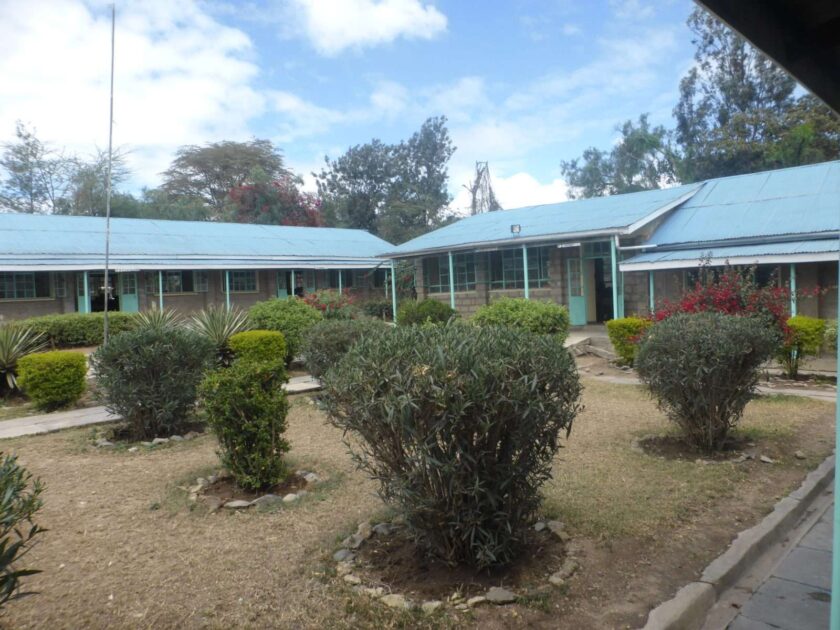
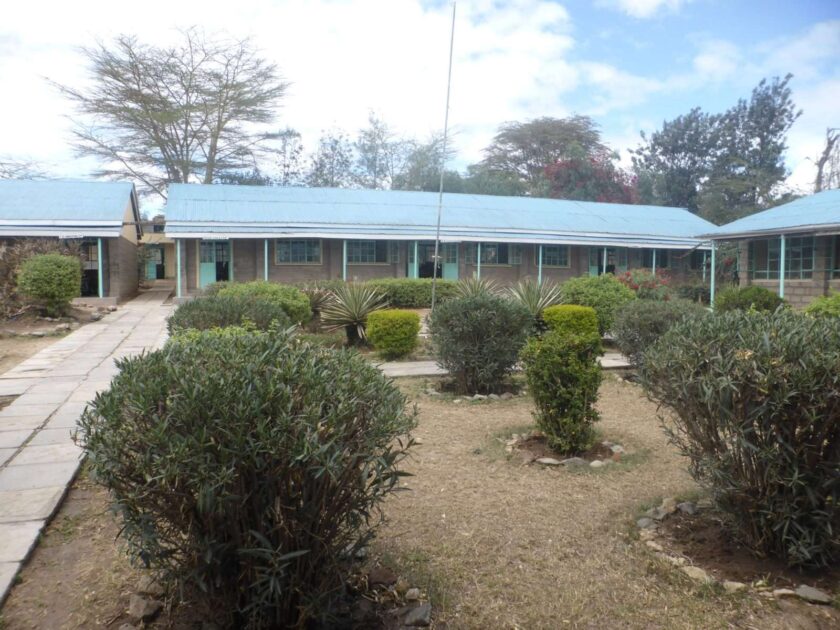
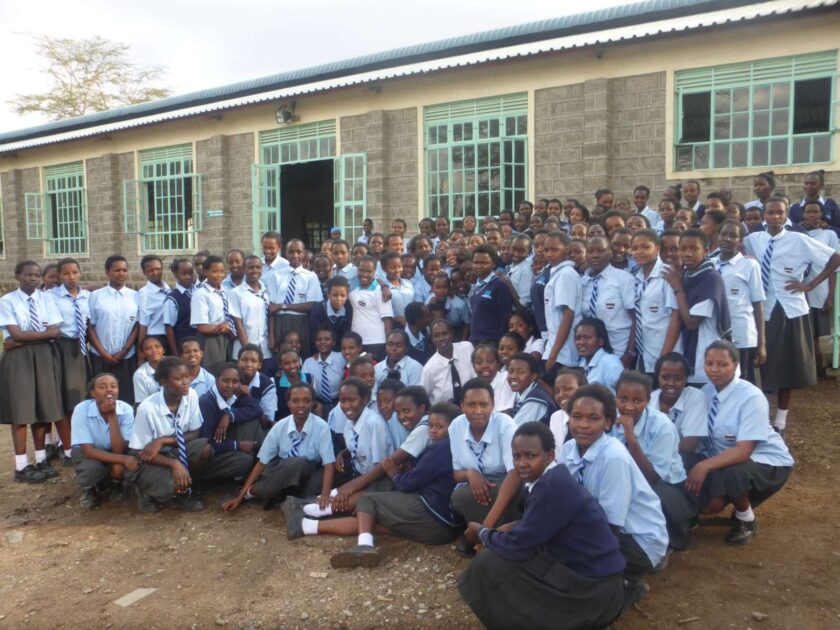
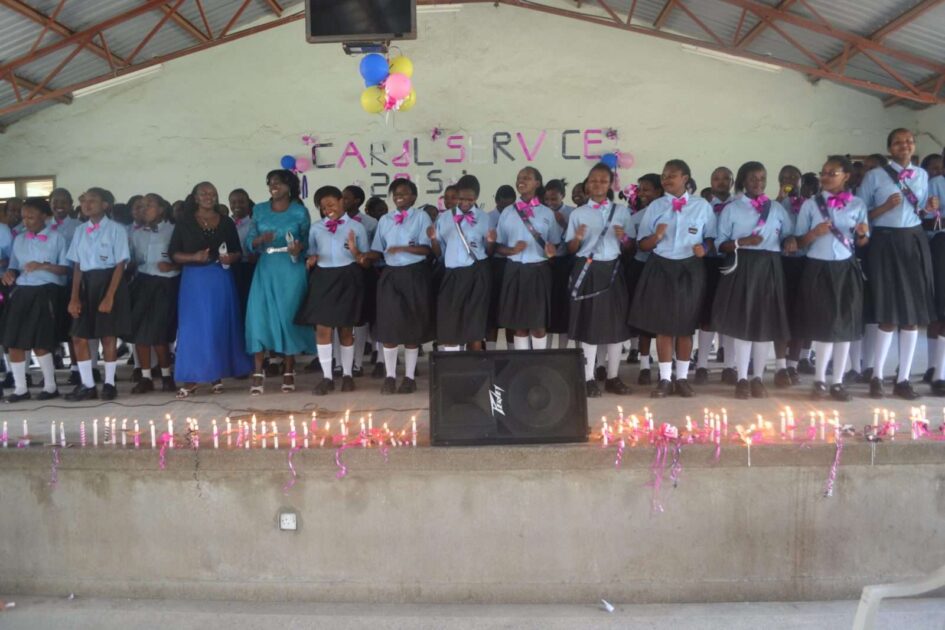
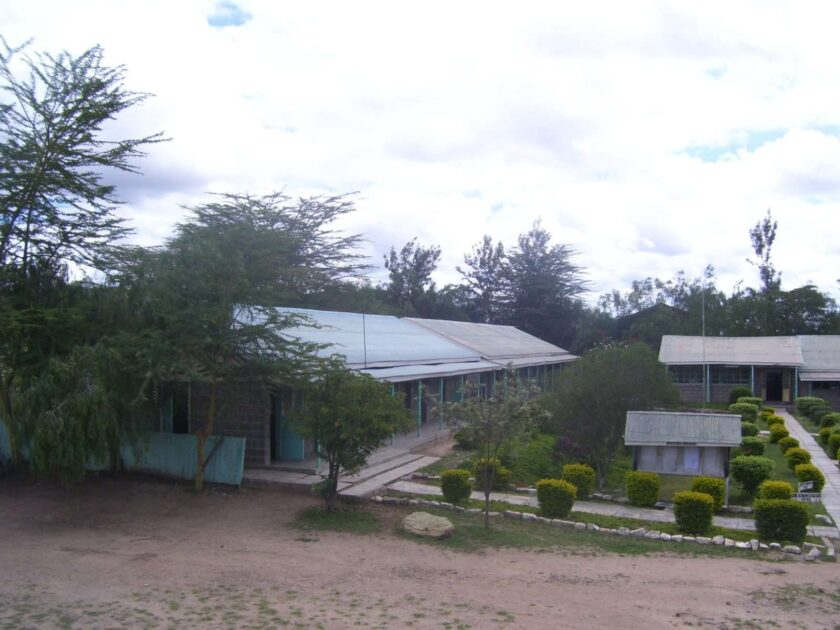
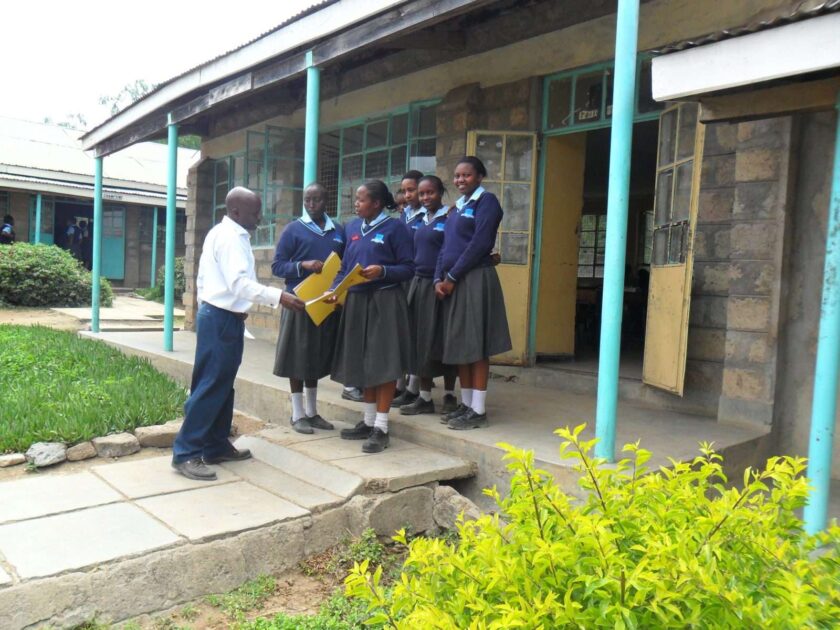
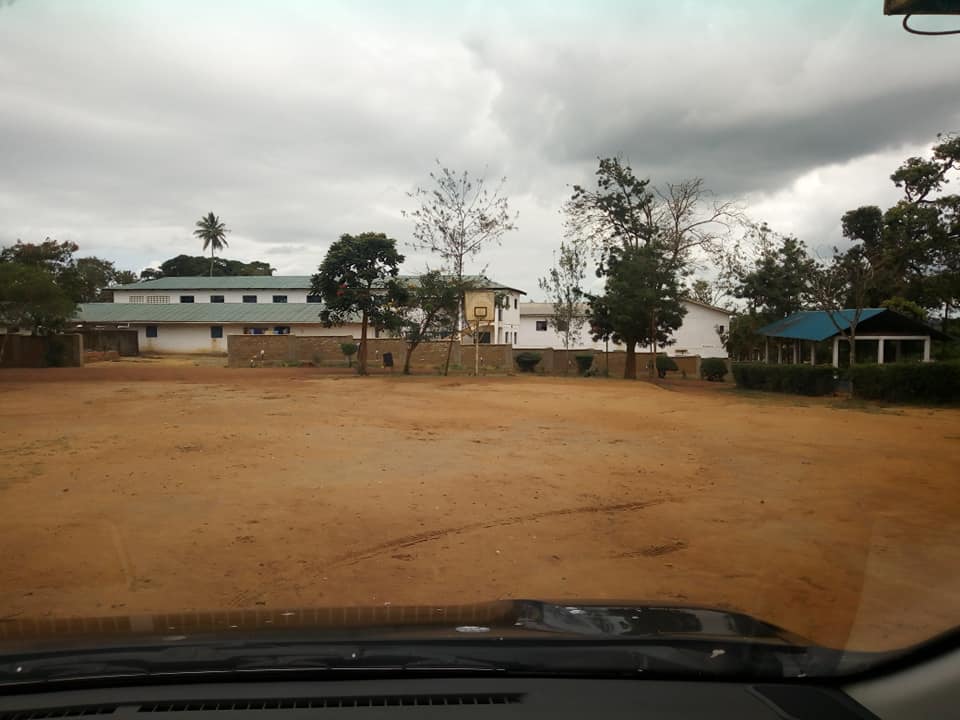
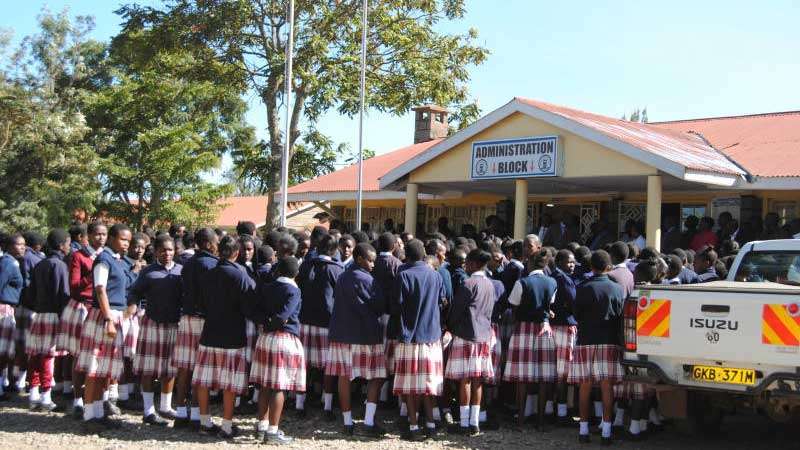
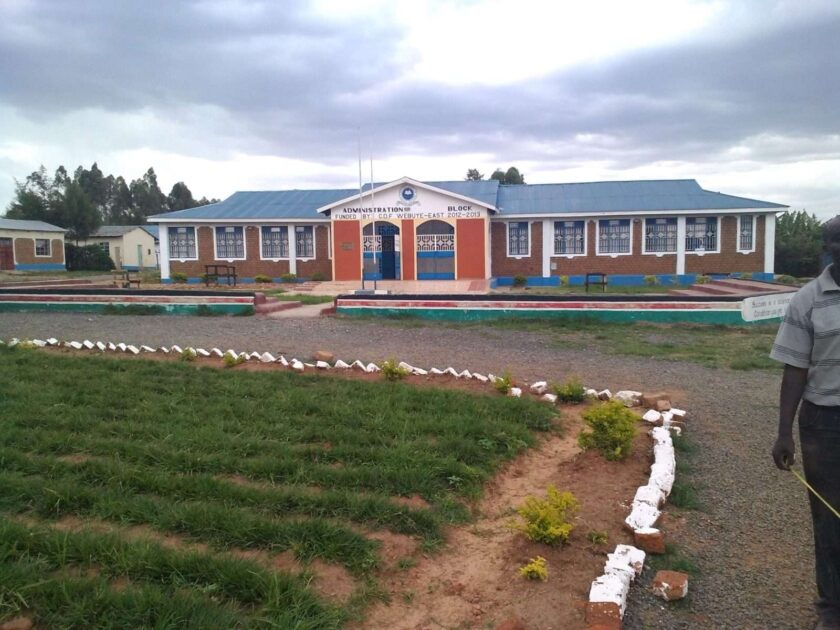
St. Clares Maragoli Girls Secondary School is a is a Girls’ only boarding secondary school located within Vihiga County Mbale Town; Kisumu-Kakamega Highway; within the Western Region of Kenya. Get to know the school’s KCSE Results, KNEC Code, contacts, Admissions, physical location, directions, history, Form one selection criteria, School Fees and Uniforms. Also find a beautiful collation of images from the school’s scenery; including structures, signage, students, teachers and many more.

 For all details about other schools in Kenya, please visit the link below;

ST. CLARE’S MARAGOLI GIRLS SCHOOL’S KCSE RESULTS

Individual candidates can check their KCSE results by sending an SMS with their full index number (11digits) followed by the word KCSE. The SMS can be sent from any subscriber’s line (Safaricom, Airtel or any other) to 20076. For example, send the SMS in the format 23467847002KCSE to 20076. There should be no space left between the index number and the word KCSE.

One can also download the whole school’s KCSE results by Visiting the Official KNEC exams portal; https://www.knec-portal.ac.ke/.  This one requires the school’s log in credentials.

Finally, candidates can visit the school for their results. This is usually a day after the results have been released. It is important that you check your result slip to ensure there are no errors on it. Be keen to see that details such as your name, index number and sex are accurate. In case of any discrepancy, please notify your principal or KNEC immediately for correction.

ST. CLARE’S MARAGOLI GIRLS SCHOOL’S KCSE PERFORMANCE ANALYSIS/ GRADES COUNT

The school has maintained a good run in performance at the Kenya National Examinations Council, KNEC, exams. In the 2019 Kenya Certificate of Secondary Education, KCSE, exams the school posted good results to rank among the best schools in the County. This is how and where you can receive the KCSE results.

Here is a list of the KCSE 2019 best 10 schools in Vihiga County: 

Pos in County School KCSE 2019 Mean County Pos Nationally
1 Bunyore Girls High 8.8925  Vihiga 30
2 Mudasa Academy 8.62  Vihiga 41
3 Chavakali Boys 7.756  Vihiga 99
4 Keveye Girls 7.2593  Vihiga 146
5 Nyang’ori Boys 7.1  Vihiga 159
6 Moi Girls Vokoli 7.1  Vihiga 160
7 Vihiga Boys 6.889  Vihiga 184


SUBSCRIBE FOR TIMELY NEWS FEEDS

Please, remember to subscribe to our news channel to get real time news feeds. Simply click on the white bell when it pops up. Then, select ‘Subscribe’. Thanks.


ST. CLARE’S MARAGOLI GIRLS SCHOOL’S BASIC INFO & CONTACTS AT A GLANCE

In need of more information about the school? Worry not. Use any of the contacts below for inquiries and/ or clarifications. Here is a collation of the school’s basic details:

  • SCHOOL’S NAME: St. Clares Maragoli Girls Secondary School
  • SCHOOL’S TYPE: Girls’ only boarding school
  • SCHOOL’S CATEGORY: Extra County school.
  • SCHOOL’S LEVEL: Secondary
  • SCHOOL’S KNEC CODE: 38604109
  • SCHOOL’S OWNERSHIP STATUS: Public/ Government owned
  • SCHOOL’S PHONE CONTACT:  +254 331 51336
  • SCHOOL’S POSTAL ADDRESS: P.O Box 480-50300 Maragoli
  • SCHOOL’S EMAIL ADDRESS: info@stclaresmaragoli.com
  • SCHOOL’S WEBSITE: http://www.stclaresmaragoli.com

ST. CLARE’S MARAGOLI GIRLS SCHOOL’S BRIEF HISTORY

FOR A COMPLETE GUIDE TO ALL SCHOOLS IN KENYA CLICK ON THE LINK BELOW;

Here are links to the most important news portals:


ST. CLARE’S MARAGOLI GIRLS SCHOOL’S VISION
ST. CLARE’S MARAGOLI GIRLS SCHOOL’S MISSION
ST. CLARE’S MARAGOLI GIRLS SCHOOL’S MOTTO
ST. CLARE’S MARAGOLI GIRLS SCHOOL’S FORM ONE SELECTION CRITERIA & ADMISSIONS

Being a public school, form one admissions are done by the Ministry of Education. Vacancies are available on competitive basis. Those seeking admissions can though directly contact the school or pay a visit for further guidelines.

You have been selected to join form one at high school? Well. Congratulations. In case you need to see your admission letter, then click on this link to download it; Official Form one admission letter download portal.


Also read;
BEST LINKS TO TSC SERVICES & DOCUMENTS; ONLINE

 For all details about other schools in Kenya, please visit the link below;


ST. CLARE’S MARAGOLI GIRLS SCHOOL’S PHOTO GALLERY

Planning to pay the school a visit? Below are some of the lovely scenes you will experience.
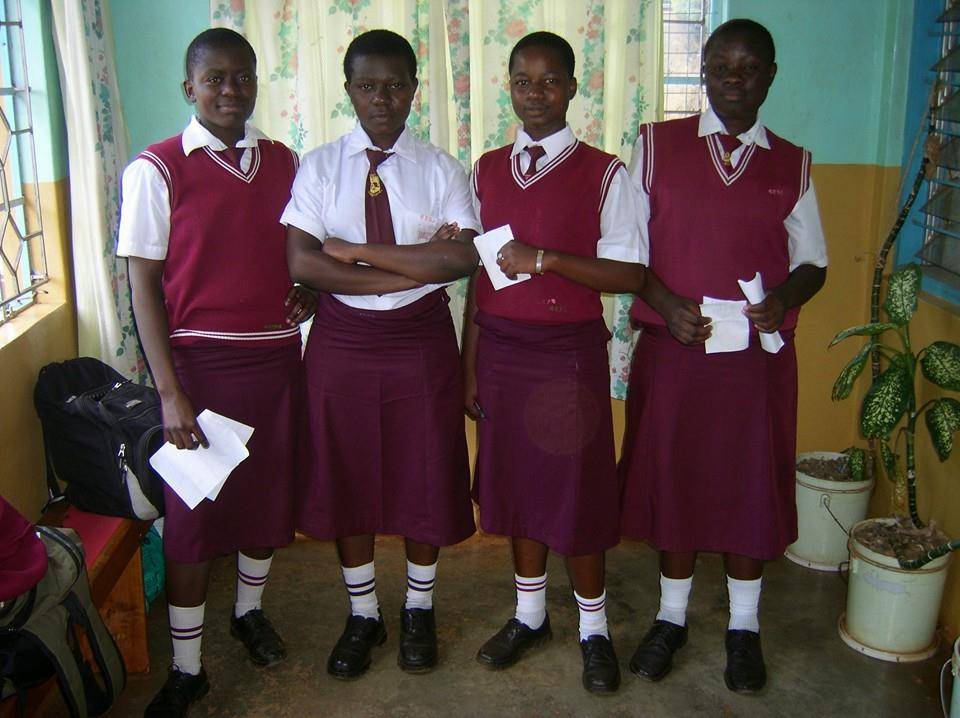
ST. CLARE’S MARAGOLI GIRLS

Thanks for reading this article. Once again, remember to subscribe for timely news feeds. Thanks.


Also read:

SPONSORED LINKS; YOUR GUIDE TO HIGHER EDUCATION

For a complete guide to all universities and Colleges in the country (including their courses, requirements, contacts, portals, fees, admission lists and letters) visit the following, sponsored link:

SPONSORED IMPORTANT LINKS:

Bachelor of science in Electrical and Electronic Engineering course; Requirements, duration, job opportunities and universities offering the course

The bachelor of science in electrical and electronics engineering is a five-year degree programme that aims at equipping students with the principles and practice of electrical and electronic engineering which when combined with computer engineering or business management, provides the key to our future in the information age.  The electrical and electronic subjects also include information technology, communications, medical electronics, computers, aerospace, robotics, automation and indeed all applications or electricity for it is becoming increasingly difficult to find anything that does not in some way rely upon the technology being developed by electron engineers.

The bachelor of science degree in electrical and electronic engineering emphasizes the applications of devices and systems, and supporting practical work including individual project work. Students can choose either to study abroad range of subjects in the final year or to specialize in electrical power, industrial automation, computing, communications or microelectronics.

FOR A COMPLETE GUIDE TO ALL SCHOOLS IN KENYA CLICK ON THE LINK BELOW;

Here are links to the most important news portals:

Career Opportunities

Electrical and electronic engineers are in high demand with employers.  Within electrical engineering the main employment areas include electrical supply and distribution, power systems, transport and electrical machinery.  Opportunities within electronics exist in electronic circuit design, instrumentation and control for safety on industrial plants, e.g. Manufacturing, oil and gas, pharmaceutical, telecommunications, mobile technology, automotive and aviation electronics and medical systems. Opportunities also exist for graduates in related fields, eg. Information technology.  Popular areas outside of engineering include commercial, industrial and public sector management.

For a complete guide to all universities and Colleges in the country (including their courses, requirements, contacts, portals, fees, admission lists and letters) visit the following, sponsored link:

REQUIREMENTS FOR THE BACHELOR OF SCIENCE IN ELECTRICAL & ELECTRONIC ENGINEERING COURSE

On the KUCCPS site, this course is placed under cluster 7.
CLUSTER SUBJECT 1 MAT A
CLUSTER SUBJECT 2 PHY
CLUSTER SUBJECT 3 CHE
CLUSTER SUBJECT 4 BIO / HAG / GEO / CRE / IRE / HRE / HSC / ARD / AGR / WW / MW / BC / PM / ECT / DRD / AVT / CMP / FRE / GER / ARB / KSL / MUC / BST
NOTE: A subject may only be considered ONCE in this section

MINIMUM SUBJECT REQUIREMENTS

SUBJECT 1 MAT A C+
SUBJECT 2 PHY C+
SUBJECT 3 CHE C+
SUBJECT 4 ENG / KIS C+

For all information related to students placement in Universities and Colleges, click on the link below:

INSTITUTIONS WHERE THE PROGRAMME IS OFFERED

Some of the institutions offering this programme are:

CU CHUKA UNIVERSITY
DKUT DEDAN KIMATHI UNIVERSITY OF TECHNOLOGY
EU EGERTON UNIVERSITY
JKUAT JOMO KENYATTA UNIVERSITY OF AGRICULTURE AND TECHNOLOGY
KU KENYATTA UNIVERSITY
MCKU MACHAKOS UNIVERSITY
MMU MULTIMEDIA UNIVERSITY OF KENYA
MMUST MASINDE MULIRO UNIVERSITY OF SCIENCE & TECHNOLOGY
MU MOI UNIVERSITY
MU MOI UNIVERSITY
MUT MURANGA UNIVERSITY OF TECHNOLOGY
TUK TECHNICAL UNIVERSITY OF KENYA
TUM TECHNICAL UNIVERSITY OF MOMBASA
UON UNIVERSITY OF NAIROBI

RELATED SPONSORED LINKS:

Free Business Studies notes, revision questions, KCSE past Papers, Exams, Marking Schemes, Topical revision materials, Syllabus and Many more

As one of the subjects offered by the Kenya National Examinations Council, KNEC, Business studies is classified as a Technical & Applied subjects. Candidates taking the Kenya Certificate of Secondary Education, KCSE, can opt to choose the subject; since it is elective/ optional. This aside, Business studies is tested in two papers i.e 565 paper 1 and 2.

To make teaching and learning of the subject easy and enjoyable, a number of electronic materials can be obtained, online.  These include: Business Studies Notes, KCSE Past Papers, Schemes of Work, Assignments, Termly examination papers, Marking schemes, lesson plans, charts, topical revision resources and many more. Download the resources at zero charge by clicking each of the links below. Please note that you can also print and even share this article to benefit someone else.

Join Telegram Group by using this link for a wide range of educational materials, at zero cost; TEACHERS’ SOFT COPY HUB- TELEGRAM

You can at the same time get unlimited resources for all subjects by clicking on this link; Teachers’ Resources Hub.

Here are the resources available at no extra Fee:


Also read;

Noonkopir Girls Secondary School’s KCSE Results, KNEC Code, Admissions, Location, Contacts, Fees, Students’ Uniform, History, Directions and KCSE Overall School Grade Count Summary

Noonkopir Secondary School is a government girls boarding school located in Kitengela, Kitenkela Sub location, Kitenkela Location, Isinya Division, Kajiado North Constituency in Kajiado County; within the Rift Valley Region of Kenya. Get to know the school’s KCSE Results, KNEC Code, contacts, Admissions, physical location, directions, history, Form one selection criteria, School Fees and Uniforms. Also find a beautiful collation of images from the school’s scenery; including structures, signage, students, teachers and many more.

 For all details about other schools in Kenya, please visit the link below;

NOONKOPIR GIRLS SECONDARY SCHOOL’S KCSE RESULTS

Individual candidates can check their KCSE results by sending an SMS with their full index number (11digits) followed by the word KCSE. The SMS can be sent from any subscriber’s line (Safaricom, Airtel or any other) to 20076. For example, send the SMS in the format 23467847002KCSE to 20076. There should be no space left between the index number and the word KCSE.

One can also download the whole school’s KCSE results by Visiting the Official KNEC exams portal; https://www.knec-portal.ac.ke/.  This one requires the school’s log in credentials.

Finally, candidates can visit the school for their results. This is usually a day after the results have been released. It is important that you check your result slip to ensure there are no errors on it. Be keen to see that details such as your name, index number and sex are accurate. In case of any discrepancy, please notify your principal or KNEC immediately for correction.

NOONKOPIR GIRLS SECONDARY SCHOOL’S KCSE PERFORMANCE ANALYSIS/ GRADES COUNT

The school has maintained a good run in performance at the Kenya National Examinations Council, KNEC, exams. In the 2019 Kenya Certificate of Secondary Education, KCSE, exams the school posted good results to rank among the best schools in the County. This is how and where you can receive the KCSE results.

The school got a mean score of 6.64 in the year 2016 where the number of students qualifying for the university was at 51.8%.


SUBSCRIBE FOR TIMELY NEWS FEEDS

Please, remember to subscribe to our news channel to get real time news feeds. Simply click on the white bell when it pops up. Then, select ‘Subscribe’. Thanks.


NOONKOPIR GIRLS SECONDARY SCHOOL’S BASIC INFO & CONTACTS AT A GLANCE

In need of more information about the school? Worry not. Use any of the contacts below for inquiries and/ or clarifications. Here is a collation of the school’s basic details:

  • SCHOOL’S NAME: Noonkopir Secondary School
  • SCHOOL’S TYPE: Girls’ only boarding school
  • SCHOOL’S CATEGORY: Extra County school.
  • SCHOOL’S LEVEL: Secondary
  • SCHOOL’S KNEC CODE: 31567201
  • SCHOOL’S OWNERSHIP STATUS: Public/ Government owned
  • SCHOOL’S PHONE CONTACT:  +254 715 251 973/ +254 020 252 2311
  • SCHOOL’S POSTAL ADDRESS: P.O. Box 243, Kitengela
  • SCHOOL’S EMAIL ADDRESS: info@ngss.com
  • SCHOOL’S WEBSITE: http://noonkopirgirls.sc.ke/

NOONKOPIR GIRLS SECONDARY SCHOOL’S BRIEF HISTORY
The school started humbly in 1987 as a mixed day harambee school in classes borrowed from the Athi River Prison Primary School.
By the end of the first year,the school became boarding after a temporary structure was put up to accomodate the boys.In 1988 the girls were given some old structures that served as a dormitory.This went on untill 1989 when classes were completed in the current site that has an acreage of 23.5 when the students started going for tuition in the school and would go back to the borrowed temporary facilities provided by the prisons department.This went on untill 1998 when the school moved to its current site after two dormitories for boys and girls as well as two units of teachers house were constructed.In 2002 the school became purely a girls school.
The students population has since grown from 21 in 1997 to current 460.It is expected that by 2018 the population will have moved to 540 after school becomes fully 3 streamed 23 TSC teachers,4 BOM teachers and 19 support staff.The school has since grown in infrastructure to modern facilities which include 12 classrooms,3 science laboratories,1 computer laboratory,1 multipurpose hall and kitchen facilities,3 dormitories,5 teachers houses and 14 workers houses.The school has also sunk a borehole,purchased a school bus and established a

FOR A COMPLETE GUIDE TO ALL SCHOOLS IN KENYA CLICK ON THE LINK BELOW;

Here are links to the most important news portals:


NOONKOPIR GIRLS SECONDARY SCHOOL’S VISION

To be a centre of exelence in academic,inculcate spiritual,moral values and a sense of responsibility in our students.

NOONKOPIR GIRLS SECONDARY SCHOOL’S MISSION

To provide our students with pre-eminent education and values through knowledge,creativity,proffessionalism and dedication delivered with a sense of warmth,friendliness fun and institutional spirit.

NOONKOPIR GIRLS SECONDARY SCHOOL’S MOTTO

EXELLENCE IN ALL ENDEAVOURS.

NOONKOPIR GIRLS SECONDARY SCHOOL’S FORM ONE SELECTION CRITERIA & ADMISSIONS

Being a public school, form one admissions are done by the Ministry of Education. Vacancies are available on competitive basis. Those seeking admissions can though directly contact the school or pay a visit for further guidelines.

You have been selected to join form one at high school? Well. Congratulations. In case you need to see your admission letter, then click on this link to download it; Official Form one admission letter download portal.


Also read;
BEST LINKS TO TSC SERVICES & DOCUMENTS; ONLINE

 For all details about other schools in Kenya, please visit the link below;


NOONKOPIR GIRLS SECONDARY SCHOOL’S PHOTO GALLERY

Planning to pay the school a visit? Below are some of the lovely scenes you will experience.
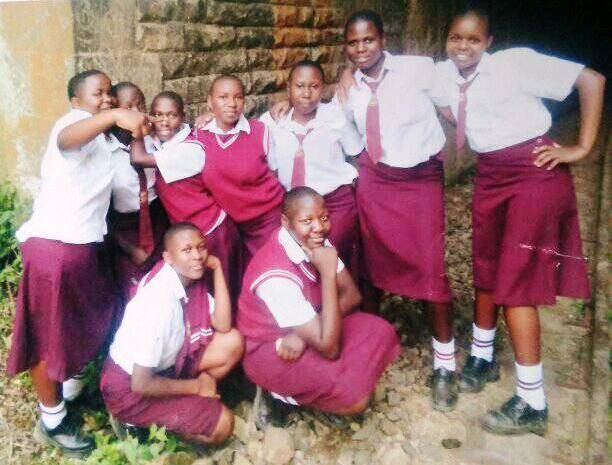
NOONKOPIR GIRLS SECONDARY SCHOOL

Thanks for reading this article. Once again, remember to subscribe for timely news feeds. Thanks.


Also read:

SPONSORED LINKS; YOUR GUIDE TO HIGHER EDUCATION

For a complete guide to all universities and Colleges in the country (including their courses, requirements, contacts, portals, fees, admission lists and letters) visit the following, sponsored link:

SPONSORED IMPORTANT LINKS:

Bachelor of Science in Medical Laboratory Sciences course; Requirements, duration, job opportunities and universities offering the course

ABOUT THE COURSE

The Bachelor of Science in Medical Laboratory Sciences is a professional course under the umbrella of the Kenya Medical Laboratory Technicians and Technologists Board (KMLTTB). KMLTTB was established by an Act of Parliament to regulate Medical Laboratory Sciences training  and practice  in Kenya.

COURSE DURATION

The Course takes the below specified time frames, depending on the type of student’s entry: Four (4) years

CAREER OPPORTUNITIES

One can work in various medical laboratories; both in Government, NGOs and private sector.

For a complete guide to all universities and Colleges in the country (including their courses, requirements, contacts, portals, fees, admission lists and letters) visit the following, sponsored link:

BACHELOR OF SCIENCE IN MEDICAL LABORATORY SCIENCES LATEST COURSE REQUIREMENTS AS SET BY KUCCPS

On the KUCCPS site, this course is placed under cluster 15.
CLUSTER SUBJECT 1 BIO
CLUSTER SUBJECT 2 CHE
CLUSTER SUBJECT 3 MAT A / PHY
CLUSTER SUBJECT 4 ENG / KIS / PHY / HAG / GEO / CRE / IRE / HRE / HSC / ARD / AGR / WW / MW / BC / PM / ECT / DRD / AVT / CMP / FRE / GER / ARB / KSL / MUC / BST
NOTE: A subject may only be considered ONCE in this section

MINIMUM SUBJECT REQUIREMENTS

SUBJECT 1 BIO C+
SUBJECT 2 CHE C+
SUBJECT 3 MAT A / PHY C+
SUBJECT 4 ENG / KIS C+

For all information related to students placement in Universities and Colleges, click on the link below:

INSTITUTIONS WHERE THE PROGRAMME IS OFFERED

Some of the institutions offering this programme are:

AUC ALUPE UNIVERSITY COLLEGE
BARA UNIVERSITY OF EASTERN AFRICA, BARATON
KSU KISII UNIVERSITY
KU KENYATTA UNIVERSITY
MKU MOUNT KENYA UNIVERSITY
MMUST MASINDE MULIRO UNIVERSITY OF SCIENCE & TECHNOLOGY
MSU MASENO UNIVERSITY
MU MOI UNIVERSITY
MUT MURANGA UNIVERSITY OF TECHNOLOGY
UON UNIVERSITY OF NAIROBI

RELATED SPONSORED LINKS:

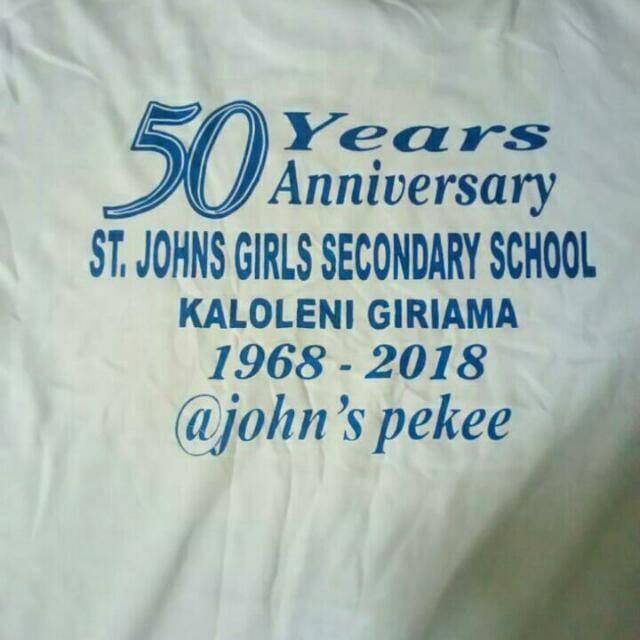
St. John’s Girls Secondary School, Kaloleni- KCSE Results, KNEC Code, Admissions, Location, Contacts, Fees, Students’ Uniform, History, Directions and KCSE Overall School Grade Count Summary

St. John’s Girls’ Secondary School is a Girls’ only boarding Secondary School that is situated in Kaloleni near Kaloleni Town, Kaloleni Constituency in Kilifi County; within the Coast Region of Kenya. A power house in matters sports. Get to know the school’s KCSE Results, KNEC Code, contacts, Admissions, physical location, directions, history, Form one selection criteria, School Fees and Uniforms. Also find a beautiful collation of images from the school’s scenery; including structures, signage, students, teachers and many more.

 For all details about other schools in Kenya, please visit the link below;


ST JOHNS GIRLS SECONDARY SCHOOL’S KCSE RESULTS

Individual candidates can check their KCSE results by sending an SMS with their full index number (11digits) followed by the word KCSE. The SMS can be sent from any subscriber’s line (Safaricom, Airtel or any other) to 20076. For example, send the SMS in the format 23467847002KCSE to 20076. There should be no space left between the index number and the word KCSE.

One can also download the whole school’s KCSE results by Visiting the Official KNEC exams portal; https://www.knec-portal.ac.ke/.  This one requires the school’s log in credentials.

Finally, candidates can visit the school for their results. This is usually a day after the results have been released. It is important that you check your result slip to ensure there are no errors on it. Be keen to see that details such as your name, index number and sex are accurate. In case of any discrepancy, please notify your principal or KNEC immediately for correction.

ST JOHNS GIRLS SECONDARY  SCHOOL’S KCSE PERFORMANCE ANALYSIS/ GRADES COUNT

The school has maintained a good run in performance at the Kenya National Examinations Council, KNEC, exams. In the 2019 Kenya Certificate of Secondary Education, KCSE, exams the school posted good results to rank among the best schools in the County. This is how and where you can receive the KCSE results.

SUBSCRIBE FOR TIMELY NEWS FEEDS

Please, remember to subscribe to our news channel to get real time news feeds. Simply click on the white bell when it pops up. Then, select ‘Subscribe’. Thanks.


ST JOHNS GIRLS SECONDARY SCHOOL’S BASIC INFO & CONTACTS AT A GLANCE

In need of more information about the school? Worry not. Use any of the contacts below for inquiries and/ or clarifications. Here is a collation of the school’s basic details:

  • SCHOOL’S NAME: St. John’s Girls’ Secondary School
  • SCHOOL’S TYPE: Girls’ only boarding school
  • SCHOOL’S CATEGORY: Extra County school.
  • SCHOOL’S LEVEL: Secondary
  • SCHOOL’S KNEC CODE: 04111102
  • SCHOOL’S OWNERSHIP STATUS: Public/ Government owned
  • SCHOOL’S PHONE CONTACT:
  • SCHOOL’S POSTAL ADDRESS: P.O. Box 3 – 80105 Kaloleni, Kenya
  • SCHOOL’S EMAIL ADDRESS:
  • SCHOOL’S WEBSITE:

ST JOHNS GIRLS SECONDARY SCHOOL’S BRIEF HISTORY

FOR A COMPLETE GUIDE TO ALL SCHOOLS IN KENYA CLICK ON THE LINK BELOW;

Here are links to the most important news portals:


ST JOHNS GIRLS SECONDARY SCHOOL’S VISION
ST JOHNS GIRLS SECONDARY SCHOOL’S MISSION
ST JOHNS GIRLS SECONDARY SCHOOL’S MOTTO
ST JOHNS GIRLS SECONDARY SCHOOL’S FORM ONE SELECTION CRITERIA & ADMISSIONS

Being a public school, form one admissions are done by the Ministry of Education. Vacancies are available on competitive basis. Those seeking admissions can though directly contact the school or pay a visit for further guidelines.

You have been selected to join form one at high school? Well. Congratulations. In case you need to see your admission letter, then click on this link to download it; Official Form one admission letter download portal.

Also read;

BEST LINKS TO TSC SERVICES & DOCUMENTS; ONLINE

 For all details about other schools in Kenya, please visit the link below;


ST JOHNS GIRLS SECONDARY SCHOOL’S PHOTO GALLERY

Planning to pay the school a visit? Below are some of the lovely scenes you will experience.

ST JOHNS GIRLS SECONDARY SCHOOL kaloleni

Thanks for reading this article. Once again, remember to subscribe for timely news feeds. Thanks.


Also read:

SPONSORED LINKS; YOUR GUIDE TO HIGHER EDUCATION

For a complete guide to all universities and Colleges in the country (including their courses, requirements, contacts, portals, fees, admission lists and letters) visit the following, sponsored link:

SPONSORED IMPORTANT LINKS:

TSC teachers promotions interview areas, questions and their answers

Invited for a Teachers Service Commission, TSC, interview and you are wondering what questions to expect and answer them? Well, this guide will give you a clue on possible questions and expected answers.

What are the national goals of education?

  • To foster nationalism, patriotism and promote national unity.
  • To promote social, economic, technological and industrial needs for national development.
  • To provide individual development and self-fulfilment.
  • To promote social equality and responsibility.
  • To promote sound moral and religious values
  • To promote international consciousness and a positive attitude towards other nations.
  • To promote a positive attitude towards good health and the environment.

What is the structure of the Ministry of education?

Cabinet Secretary, 3 Principal Secretaries, Director…

What is the overall role of the Minister for Education? 

  • Formulation of policy direction and management of professional functions relating to education.
  • Developing and implementing projects and programmes.
  • Developing curriculum.
  • Initiating training programmes.
  • Running examinations.
  • Giving grant-in-aid to schools.
  • Dealing with audit report
  • Admitting and transferring students.
  • Dealing with discipline of students.

Who publishes for the Ministry of Education?

KLB

What is the structure of the T.S.C?

Chairperson,  Deputy, Secretary, Directorate

What are the TSC core values?

  • Professionalism
  • Customer focus
  • Integrity
  • Innovation
  • Team spirit
  • Outline the TSC mission and vision.
  • What is inscribed in the TSC platform?

What are the functions of TSC?

Teachers Service Commission is mandated to perform the following functions:

  • to register trained teachers;
  • to recruit and employ registered teachers;
  • to assign teachers employed by the Commission for service in any public school or institution;
  • to promote and transfer teachers;
  • to exercise disciplinary control over teachers;
  • to terminate the employment of teachers.
  • review the standards of education and training of persons entering the teaching service;
  • review the demand for and the supply of teachers;
  • advise the national government on matters relating to the teaching profession.

What empowers T.S.C to carry out its functions?

  • The TSC Act (Cap212) of 1967
  • The Constitution of Kenya Article 237(2) of 2010

What is the role of the secretary T.S.C?

Under the guidance of the Commission, the Secretary will perform the following duties:-

  • Execute the decisions of the Commission.
  • Be the head of the Secretariat.
  • Facilitate, coordinate and ensure execution of the Commission’s mandate.
  • Advise the Commission on teacher projections to facilitate staffing of learning institutions.
  • Advise and make recommendations to the Commission on optimum utilization of available teachers.
  • Make recommendations to the Commission on appointment and deployment to administrative posts in educational institutions.
  • Ensure maintenance of the register of teachers and be custodian of all records of the Commission.
  • Be the Accounting officer of the Commission and ensure proper and diligent implementation of Part IV of the TSC Act and any other written law.
  • Ensure staff compliance with the constitution and other laws.
  • Be responsible for administration and management of the secretariat resources.
  • Promote professionalism in the teaching service.
  • Advise the Commission on suitability of persons entering the teaching service.


What is the role of K.l.C.D., inspectorate and K.N.E.C?

The Kenya Institute of Curriculum Development (KICD) is mandated to perform the following functions:

  • Advise the Government on matters pertaining to curriculum development
  • Evaluate, vet and approve, for application in Kenya, any local and foreign curricula and curriculum support materials in relation to the levels of education and training
  • Implement the policies relating to curriculum development in basic and tertiary education and training;
  • Develop, review and approve programmes, curricula and curriculum support materials that meet international standards for— (i) early childhood care, development and education; (ii) pre-primary education; (iii) primary education; (iv) secondary education; (v) adult, continuing and non-formal education; (vi) teacher education and training; (vii) special needs education; and (viii) technical and vocational education and training.
  • Initiate and conduct research to inform curriculum policies, review and development.
  • Collect document and catalogue information on curricula, curriculum support materials and innovations to create a data bank and disseminate the information to educational institutions, learners and other relevant organizations
  • Print, publish and disseminate information relating to curricula for basic and tertiary education and training
  • Collaborate with other individuals and institutions in organizing and conducting professional development programmes for teachers, teacher trainers, quality assurance and standards officers and other officers involved in education and training on curriculum programmes and materials
  • Develop disseminate and transmit programmes and curriculum support materials through mass media, electronic learning, distance learning and any other mode of delivering education and training programmes and materials
  • Promote equity and access to quality curricula and curriculum support materials
  • Offer consultancy services in basic and tertiary education and training
  • Incorporate national values, talent development and leadership values in curriculum development
  • Receive, consider, develop and review curriculum proposals
  • Perform such other function as may be assigned to it under the KICD Act No.4 of 2013 or any other written law.

The core functions of the KNEC are to:

  • develop national examination tests;
  • register candidates for the KNEC examinations;
  • conduct examinations and process the results;
  • award certificates and diplomas to successful candidates;
  • issue replacement certificates and diplomas;
  • conduct educational assessment research;
  • conduct examinations on behalf of foreign exam boards.

Also read;

 For all details about other schools in Kenya, please visit the link below;

What is the composition of the board of Management of a school and how are they chosen?

B.O.M is established under Section 55 of The Basic Education Act 2013.It is composed of;

  • The head of the schools as the secretary of the board,
  • 6 persons elected to represent parents or local community in case of County Sec. School
  • 1 person nominated by the county board.
  • 1 person representing teaching staff elected by teachers.
  • 3 representatives of school sponsor
  • 1 person to represent special interest group.
  • 1 person to represent persons with special needs.
  • 1 representative of the student council as an ex-officio.


Differentiate between the roles of the B.O.M and P.A in a School.

BOM

Some of the responsibilities and roles that are expected of this board includes;

  • providing oversight on management of the school.
  • monitoring curriculum delivery and learning achievement in the school.
  • to ensure that the students engage in extra curriculum activities.
  • to ensure the competence of the teachers in delivery of the content of the curriculum.
  • develop all institutional policies and ensure accountability and prudent use of institutional resources.
  • mobilizing resources for the institution development based on agreed strategic planning.
  • to promote networking and partnership for the school
  • to discuss and approve comprehensive termly and annual reports and forwards them to the county education board (CEB).
  • to promote quality education and training for all learners in accordance with the standards set under the education acts, national policies, and county government policies
  • to supervise and ensure quality in curriculum implementation and delivery and oversee the conduct of examination and assessments of school.
  • to ensure and assure provision of proper and adequate proper physical activities as well as teaching and learning resources in order to create an enabling environment for the school community to perform their duties effectively and achieve set objectives of the institution.


PA – Parent Association

In order to help the school realize its purpose, parents play some important roles. These include,

  • Raise money to help both the running and the activities of the school.
  • Explain the roles of the school to the community, this is how teachers and community members come to a more harmonious relationship.
  • They give their points of view to the teachers concerning academic improvement and moral standards.
  • Help head teachers and their staff maintain effective discipline among their students.


Define curriculum, co curricular and core curriculum.

  • Curriculum – all planned learning programs that facilitate formal, non-formal and informal learning.
  • Co-curriculum – voluntary curriculum that includes sport, clubs, student government and school publications.
  • Core curriculum – the body of knowledge, skills and attitudes expected to be learned by all students, generally related to a set of subjects and learning areas that are common to all students.


Distinguish between formal, non formal and informal curriculum

  • Formal curriculum – the curriculum in which there are deliberately organized, planned and written processes in a formally organized learning institution such as a school with organized structures such as classrooms.
  • Non formal curriculum – refers to any organized, planned and written learning activity that operates outside the formal education system. It emphasizes practical skills and targets particular population group.
  • Informal or Hidden curriculum – curriculum that constitutes a lifelong process in which people learn from every day experiences which are not necessarily planned or organized.


Give the process of curriculum development.

KICD has adopted a nine-stage curriculum development model as follows:

  1. Needs Assessment.
  2. Conceptualization and policy formulation.
  • Curriculum designs.
  1. Development of syllabuses.
  2. Development of curriculum support materials.
  3. Preparation of curriculum implementers.
  • Piloting/Phasing.
  • National Implementation.
  1. Monitoring and Evaluation.


What is the difference between curriculum and syllabus?

Curriculum is all planned learning programs that facilitate formal, non-formal and informal learning while the syllabus is a course outline comprising a collection of topics on the same subject matter and a series of statements of what is to be learned within a given time frame. This consists of the content and objectives of the core subjects and optional subjects offered.


Give cases of interdiction where a teacher earns half salary.

  • Fraudulent payment or excessive payment from public revenues for goods and services.
  • Failure to comply with any law or applicable procedures and guidelines relating to procurement.
  • Mismanagement of funds or incurring expenditures without planning.
  • Any offence involving dishonesty under any written law providing for maintenance or protection of public revenue.


Name the different types of leave a teacher is entitled to and how many days in a year is a permanent and pensionable teacher entitled to annual leave?

  1. Maternity Leave

A female teacher is entitled to 90 calendar days maternity leave from the date of confinement. This leave is exclusive of annual leave. The application for leave should be submitted to the DEO/MEO/DCE through the head of institution at least one month before the leave is due and must have supporting medical documents.

  1. Paternity Leave

A male teacher can apply for paternity leave of up to 10 days within the period of spouse’s maternity leave.

  1. Study leave – with pay

– without pay

  1. Annual leave

Permanent & pensionable – 30 days with full pay each year.

Temporary or contract – 30 days with full pay each year.

  1. Sick leave

Permanent & pensionable – 3 month full pay another 3 month ½ pay in the calendar year.

Temporary or contract – 1 month full pay another 1 month ½ pay

  1. Compassionate leave

In times of distress such as death, a court case, marital disharmony, arson and serious illness of a member of the family – maximum 15 days in a year.

  1. Special leave

Short duration for teachers who have to travel abroad to participate in seminars or short courses or important events – max. 3 months in a year.

  1. Compulsory leave

30 days with full pay to allow investigations into allegations.

  1. Leave without pay

Special conditions eg accompanying a sick person for more than normal 15 days compassionate leave.


When is a teacher given study leave with pay?

  • Has worked for the commission for a min. of 5 years
  • UT teacher seeking to undertake postgraduate diploma or degree in education.
  • A teacher studying in an area of great need as specified in the study leave policy.
  • Trained technical teacher admitted to a national polytechnic for a higher National Diploma provided the subject area is in demand in the teaching service.
  • Has demonstrated a good record in performance.


What are the possible verdicts of interdiction?

  1. A teacher has no offence hence revoke interdiction.
  2. A teacher has committed an offence that does not warrant removal hence;
  • Warning in writing.
  • Surcharge
  • Suspension not exceeding 6 months without pay.
  • Retire in the public interest
  • Refered for medical evaluation by Director of Medical Services.
  1. A teacher has committed an offence hence dismissal and deregistered.


Differentiate between interdiction and suspension.

  • Suspension – Temporary prohibition of a teacher from exercising his/her functions as a teacher pending determination of his/her disciplinary case.
  • Interdiction – removal of a teacher from service in accordance with regulation 153 of the TSC Code.

What are the interdiction cases where a teacher does not earn any money?

  • Chronic absenteeism
  • Desertion of duty
  • Having been jailed
  • Misappropriation/mismanagement of public funds.
  • Fraudulent claims & receipt of funds.
  • Use of false certificates.
  • Forgery, impersonation, collusion & immoral behavior.

What is C.B.E? How is it calculated?

Curriculum Based Establishment – the number of teachers a school need in relation to the number of streams a school has. It is calculated by considering the minimum lessons a teacher should teach(27) and the subjects offered in the school.


Name four education commissions since independence and what were the recommendations of the commissions.

  1. Ominde commission(1964)
  • It reformed the education system inherited from the colonial government to make it responsive to the needs of independent Kenya.
  • It proposed an education system to foster national unity and create sufficient human resource for national development
  • English became a medium of instruction
  • It set the entry age to class one at 6 years.
  1. Bessay Report (1972)
  • It recommended changes to the inherited curricular to make it relevant to local needs.
  1. Gachathi Report(1976)
  • The report focused on redefining Kenya’s educational policies and objectives, giving consideration to national unity, economic, social and cultural aspirations of the people of Kenya.
  1. Mackey Report (1981)
  • It led to the removal of ‘A’ level and expansion of other post-secondary training institutions.
  • It led to the establishment of Moi University.
  • It recommended the stablishment of the 8-4-4 system of education and the commission of High Education (CHE)
  1. Kamunge commission(1988)
  • It focused on improving education financing, quality and relevance.
  • From this report , the government produced Sessional Paper No 6 on Education & Training for the Next Decade & Beyond.
  • This led to the policy of cost sharing in education between the government, parents and community.
  1. Koech commission(2000)
  • It recommended Totally Integrated and Quality Education and Training(TIQET) in order to accelerate industrial and technological development.


On which grounds can a teacher be retired?

  • Age
  • Public interest- gross miscond
  • Medical/ill health
  • Abolition of office

Notice for retire – 3 months

Name three types of retirement benefits.

  • Pension
  • Gratuity
  • Work injury benefits


What is the deadline for submission of Books of Accounts for auditing?

31st January following year


What does the ‘Orange Book contain?

Prices of reference and course books


Who is the TSC agent in your school?

The principal


Differenciate between informal education, formal education and non- formal education

  • Informal Education:– the truly lifelong process whereby every individual acquires attitudes, values, skills and knowledge from daily experience and the educative influences and resources in his or her environment-from family and neighbours, from work and play, from the marketplace, the library and the mass media…’
  • Formal Education:– the hierarchically structured, chronologically graded “educational system”, running from primary school through the university and including, in addition to general academic studies, a variety of specialized programmes and institutions for full-time technical and professional training.’
  • Non-Formal Education:– any organized educational activity outside the established formal system-whether operating separately or as an important feature of some broader activity-that is intended to serve identifiable learning clientèle and learning.


What are the five areas in a lesson observation form?

  • Introduction & lesson organization
  • Content delivery
  • Teaching methods
  • Learners involvement & communication
  • Classroom management.


Name the seven areas enlisted for targets in a TPAD.

REQUIREMENTS FOR TPAD

  1. For the Secondary school teachers the TPAD file must have the following
  1. File
  2. Appraisal tool of 2016,dully signed at the back by your Appraiser(Deputy) and countersigned by the principal
  • Pages 12,13,14 must be filled and signed as required, Rubber stamp must appear in Pg 13 of 15 both in Term 1 ,2 and 3
  1. 1st pg appraisal period be stated.1st of January 2016 to 31st DEC 2016
  2. You must have at least 3 observation form signed by Deputy for trs. For 2016, as for 2017 have one in the file now.
  3. Have a T/Table of yr Lesson in yr TPAD file..at least For 2016 and 2017
  • A document to show year target/school/class
  • Lesson Recovery Record evidence if you have.


Position Current Office Holder
Chairperson Dr. Lydia Nzomo
Eight Commissioners 1.      Cleopas Tirop (Vice Chairperson)
2.      Dr. Salome Gichura
3.      Chache Bonza Bolo
4.      Beatrice Marembo Adu
5.      Kinoti Imanyara
6.      Albert Fred Ekirapa
Secretary / CEO: Mrs. Nancy Njeri Macharia
Deputy Secretary Mr. Simon M. Kavisi


Credits; Adapted.

INTERVIEW AREAS

The Commission has developed a new interview score sheet for promotions. The following areas are tested and a candidate must score 50% and above in order to be deployed.

The interview areas and maximum marks to be awarded:

A). ADMINISTRATIVE ABILITIES IN THE CURRENT ASSIGNMENT

i). Achievements- 10 marks
ii). Co-curricular achievements- 8 marks
iii). Participation in Education affairs- 5 marks
iv). Knowledge on the formation, members and functions of BOG and
PTA- 5 marks
v)Role of the sponsor- 2 marks
SUB-TOTAL: 30 marks

B). KNOWLEDGE OF EDUCATION ISSUES ESPECIALLY TRENDS IN THE POST INDEPENDENCE PERIOD

  • i). Knowledge of all Education Commissions- 3
  • ii). Purpose for formation of such Commissions or working parties- 3 marks
  • iii). Their respective recommendations- 3 marks
  • iv). Adoptions/implementation- 3 marks
    SUB-TOTAL: 12 marks

C). KNOWLEDGE OF CURRICULUM DEVELOPMENT, IMPLEMENTATION AND EVALUATION

I). Curriculum Development

  • i). Structure of Kenya Institute of Education- 3 marks
  • ii). Function of Kenya Institute of Education- 3 marks
  • iii). Current trends in the curriculum- 5 marks

II). Implementation

  • i). Structure and function of Teachers Service Commission- 5 marks
  • ii). Functions and structure of MOEST – Inspection and Directorate: 4 marks

III). Evaluation

  • i). Membership of Kenya National Examination Council- 3 marks
  • ii). Relationship between TSC, MoE/MoST, KNEC and KIE- 5 marks
    SUB TOTAL: 28 marks

D). LEGAL FRAME WORK IN EDUCATION

  • i). Teachers Service Commission- 1 mark
  • ii). Education Act- 1 mark
  • ii). Kenya National Examination Council Act- 1 mark
  • iii). Trade and Dispute Act- 1 mark
  • iv). TSC Code of Regulations for teachers- 1 mark
  • v). Schemes of Service for teachers- 1 mark
  • vi). A Manual for Heads of Secondary Schools in Kenya- 1 mark
    SUB-TOTAL: 7

E). OTHER EDUCATIONAL ORGANIZATIONS AND INSTITUTIONS

  • i). Kenya Institute of Education- 2 marks
  • ii). Jomo Kenyatta Foundation- 2 marks
  • iii). Kenya Literature Bureau- 2 marks
  • iv). Kenya Education Staff Institute- 2 marks
    SUB-TOTAL: 8

F). FUNCTIONS OF CENTRAL GOVERNMENT

  • i). Knowledge of the three arms of Government and their interrelationship- 3 marks
  • ii). Legislature; Its function, role of speaker, clerk and sergeant-at-arms-  3 marks
  • iii). Executive; Functions, role of the Permanent Secretaries vis-à-vis Ministers- 3 marks
  • iv). Judiciary; Functions, Structure, Attorney General, Chief justice etc.- 3 marks
    SUB TOTAL 12

G). General Knowledge 3

GRAND TOTAL: 100%

Related Content;

SELECTION CRITERIA FOR ADMINISTRATIVE POSTS

To ascend to any of the administrative position in school, the Teachers Service Commission (TSC) has set a wide array of conditions that must be met by the teachers. These conditions and criteria for deployment are contained in the Career Progression Guideline for teachers of 2018 and the Policy on Appointment and Deployment of Institutional Administrators of 2017. The be appointed to any of the administrative positions, a teacher who meets the set qualifications applies, is shortlisted, attends an interview and successful ones are competitively appointed and deployed; accordingly.

Do not miss out on any news from TSC! Click on this link for all TSC news- All the latest TSC news

Below is an outline of the various administrative positions for various cadres of schools:

A). PRINCIPALS OF SECONDARY SCHOOLS

The secondary schools have been stratified and principals heading the various categories are placed in different grades, thus;

  • i). Principals of Sub- County and All Day schools: To be appointed so as to head this category of schools, one must have served as a Deputy Principal (Grade D2) for atleast 3 years. These schools are headed by a Principal having Grade 3 (T- Scale 13).
  • ii). County Schools with with over 540 students: These schools are headed by Senior Principals, Grade D4 (T- Scale 14). To be appointed to this grade, a teacher must have served as a Principal at Grade D3 for a minimum period of three (3) years.
  • iii). National and Extra County Schools with over 1000 students: Headed by a Chief Principal of Grade D5 (T- Scale 15). To be appointed to this grade, one must first serve for atleast 3 years at a Senior Principal; Grade D4.

More reading on TSC matters;

B). DEPUTY PRINCIPALS OF SECONDARY SCHOOLS.

  • i). Sub- County and All Day schools: Deputy Principal III of Grade D1 (T- Scale 11). To ascend to this position you must first serve as a Senior Master at Grade C5 for a minimum period of three (3) years.
  • ii). County Schools with with over 540 students: Deputy Principal II of Grade D2 (T- Scale 12). To be appointed to this grade one must have served as a Deputy Principal at D1 for atleast three (3) years.
  • iii). National and Extra County Schools with over 1000 students: Deputy Principal I; Grade D3 (T- Scale 13). To be promoted to this grade one must first serve as a Deputy Principal at D2 for atleast three (3) years.

Read also: TSC News- promotion requirements, responsibilities and appointment-criteria for senior masters and other administrative positions

C). SENIOR MASTERS OF SECONDARY SCHOOLS.

  • i). Sub- County and All Day schools: Senior Master III of Grade C5 (T- Scale 10). To be promoted to this grade one must serve as a teacher at Grade C4 for over three (3) years.
  • ii). County Schools with with over 540 students: Senior Master II with Grade D1 (T- Scale 11). To ascend to this position, a teacher must have served as a Senior Master III of Grade C5 (T- Scale 10) for a minimum period of three years.
  • iii). National and Extra County Schools with over 1000 students: Senior Master I with a qualification of Grade D2 (T- Scale 12). To ascend to this position, a teacher must have served as a Senior Master II with Grade D1 (T- Scale 11) for a minimum period of three years.

D). HEAD TEACHERS OF PRIMARY SCHOOLS.

  • i). Primary schools with enrollment of below 1000 learners: Head Teacher with Grade C5 (T- Scale 10). To be appointed to this grade a teacher must have served as a Deputy Head Teacher at Grade C4 for atleast three (3) years.
  • ii). Primary schools with enrollment of over 1000 learners: Senior Head Teacher with Grade D1 (T- Scale 11). To be appointed to this grade a teacher must have served as a Head Teacher at Grade C5 for atleast three (3) years.

Also read:

E). DEPUTY HEAD TEACHERS OF PRIMARY SCHOOLS.

  • i). Primary schools with enrollment of below 1000 learners: Deputy Head Teacher II Grade C4 (T- Scale 9). Experience required: Served as Senior Teacher at Grade C3 for atleast 3 Years.
  • ii). Primary schools with enrollment of over 1000 learners: Deputy Head Teacher I at Grade C5 (T- Scale 10). Required experience: Served as Deputy Head Teacher at Grade C4 for atleast three (3) years.

F). SENIOR TEACHER- PRIMARY SCHOOLS.

  • i). Primary schools with enrollment of below 1000 learners: Senior Teacher II with Grade C2. Qualification: Served as a Primary School Teacher I at Grade C1 for atleast three (3) years.
  • II). Primary schools with enrollment of over 1000 learners: Senior Teacher I with Grade C3. Required experience: Served as Senior Teacher II at Grade C2 for a minimum period of three (3) years.

Related Content;

Maasai Girls Secondary School’s KCSE Results, KNEC Code, Admissions, Location, Contacts, Fees, Students’ Uniform, History, Directions and KCSE Overall School Grade Count Summary

Maasai Girls Secondary School is a girls secondary school, located at Narok Township in Narok County; within the Rift Valley Region of Kenya. Get to know the school’s KCSE Results, KNEC Code, contacts, Admissions, physical location, directions, history, Form one selection criteria, School Fees and Uniforms. Also find a beautiful collation of images from the school’s scenery; including structures, signage, students, teachers and many more.

 For all details about other schools in Kenya, please visit the link below;

MAASAI GIRLS SECONDARY SCHOOL’S KCSE RESULTS

Individual candidates can check their KCSE results by sending an SMS with their full index number (11digits) followed by the word KCSE. The SMS can be sent from any subscriber’s line (Safaricom, Airtel or any other) to 20076. For example, send the SMS in the format 23467847002KCSE to 20076. There should be no space left between the index number and the word KCSE.

One can also download the whole school’s KCSE results by Visiting the Official KNEC exams portal; https://www.knec-portal.ac.ke/.  This one requires the school’s log in credentials.

Finally, candidates can visit the school for their results. This is usually a day after the results have been released. It is important that you check your result slip to ensure there are no errors on it. Be keen to see that details such as your name, index number and sex are accurate. In case of any discrepancy, please notify your principal or KNEC immediately for correction.

MAASAI GIRLS SECONDARY SCHOOL’S KCSE PERFORMANCE ANALYSIS/ GRADES COUNT

The school has maintained a good run in performance at the Kenya National Examinations Council, KNEC, exams. In the 2019 Kenya Certificate of Secondary Education, KCSE, exams the school posted good results to rank among the best schools in the County. This is how and where you can receive the KCSE results.


SUBSCRIBE FOR TIMELY NEWS FEEDS

Please, remember to subscribe to our news channel to get real time news feeds. Simply click on the white bell when it pops up. Then, select ‘Subscribe’. Thanks.


MAASAI GIRLS SECONDARY SCHOOL’S BASIC INFO & CONTACTS AT A GLANCE

In need of more information about the school? Worry not. Use any of the contacts below for inquiries and/ or clarifications. Here is a collation of the school’s basic details:

  • SCHOOL’S NAME: Maasai Girls Secondary School
  • SCHOOL’S TYPE: Girls’ only boarding school
  • SCHOOL’S CATEGORY: Extra County school.
  • SCHOOL’S LEVEL: Secondary
  • SCHOOL’S KNEC CODE: 32516102
  • SCHOOL’S OWNERSHIP STATUS: Public/ Government owned
  • SCHOOL’S PHONE CONTACT:
  • SCHOOL’S POSTAL ADDRESS: P.O. Box 415 – 20500 Narok, Kenya
  • SCHOOL’S EMAIL ADDRESS:
  • SCHOOL’S WEBSITE:

MAASAI GIRLS SECONDARY SCHOOL’S BRIEF HISTORY

FOR A COMPLETE GUIDE TO ALL SCHOOLS IN KENYA CLICK ON THE LINK BELOW;

Here are links to the most important news portals:


MAASAI GIRLS SECONDARY SCHOOL’S VISION
MAASAI GIRLS SECONDARY SCHOOL’S MISSION
MAASAI GIRLS SECONDARY SCHOOL’S MOTTO
MAASAI GIRLS SECONDARY SCHOOL’S FORM ONE SELECTION CRITERIA & ADMISSIONS

Being a public school, form one admissions are done by the Ministry of Education. Vacancies are available on competitive basis. Those seeking admissions can though directly contact the school or pay a visit for further guidelines.

You have been selected to join form one at high school? Well. Congratulations. In case you need to see your admission letter, then click on this link to download it; Official Form one admission letter download portal.


Also read;
BEST LINKS TO TSC SERVICES & DOCUMENTS; ONLINE

 For all details about other schools in Kenya, please visit the link below;


MAASAI GIRLS SECONDARY SCHOOL’S PHOTO GALLERY

Planning to pay the school a visit? Below are some of the lovely scenes you will experience.

MAASAI GIRLS SECONDARY SCHOOL


Thanks for reading this article. Once again, remember to subscribe for timely news feeds. Thanks.


Also read:

SPONSORED LINKS; YOUR GUIDE TO HIGHER EDUCATION

For a complete guide to all universities and Colleges in the country (including their courses, requirements, contacts, portals, fees, admission lists and letters) visit the following, sponsored link:

SPONSORED IMPORTANT LINKS:

University of Kabianga; KUCCPS Approved Courses, Admissions, Intakes, Requirements, Students Portal, Location and Contacts

  Universities are the highest learning institutions in Kenya and the World over. They offer training majorly in undegraduate and Post Graduate Studies. In Kenya, the Courses offered in the Universities must be accredited by the Kenya Universities and Colleges Central Placement Services, KUCCPS. It is the same body that selects and places students to higher learning institutions; Universities, Colleges and Polytechnics. To qualify for University placement one must attain the minimum set Mean grade and particular course requirements. Each Course offered at particular university has its own cluster cut off points, though. Most university courses take a minimum of 4 years; while, some take even more. An academic year at the university takes two semesters of three months each. University students get fees loans from various organizations. Top on the list is the Higher Education Loans Board, HELB, that advances both loans and Bursaries. Universities run online platforms; portals and websites, where such services as admission application, online accommodation booking, E-learning, exams results downloads and many are provided to students, staff and the general public. On admissions, most universities have admissions in May and September for new students. Various learning modules are provided at the universities. These learning modules include: Full time, School Based, Distance Learning, Evening & Weekend classes and E-Learning.

UNIVERSITY OF KABIANGA KUCCPS APPROVED PROGRAMMES

Located in Kericho County in The Rift Valley Region, the University of Kabianga is a Public Higher Learning Institution offering the following Courses:
S/N PROGRAMME CODE PROGRAMME NAME 2019 CUTOFF 2018 CUTOFF 2017 CUTOFF 2016 CUTOFF 2015 CUTOFF
1 1118107 BACHELOR OF SCIENCE (ACTUARIAL SCIENCE) 30.582 29.821 34.741 32.829
2 1118112 BACHELOR OF SCIENCE (BIOCHEMISTRY) 27.905 30.190 31.890
3 1118115 BACHELOR OF SCIENCE (COMPUTER SCIENCE) 27.168 30.440 30.492 36.092
4 1118120 BACHELOR OF SCIENCE (BSC.) 24.741 20.820 23.000
5 1118122 BACHELOR OF SCIENCE (AGRICULTURE) 34.036 21.088 23.000
6 1118123 BACHELOR OF SCIENCE (MICROBIOLOGY) 29.432 24.445 34.891
7 1118132 BACHELOR OF SCIENCE (NURSING) 36.899 31.707 39.701 42.153
8 1118135 BACHELOR OF EDUCATION (ARTS) 26.918 26.552 28.808 34.063
9 1118137 BACHELOR OF EDUCATION (SCIENCE) 30.917 25.999 32.325 31.192
10 1118150 BACHELOR OF SCIENCE (INFORMATION SCIENCES AND KNOWLEDGE MANAGEMENT) 24.849 24.785 30.909
11 1118151 BACHELOR OF BUSINESS MANAGEMENT 25.234 25.642 31.431
12 1118157 BACHELOR OF TOURISM MANAGEMENT 25.394 26.307 28.995
13 1118159 BACHELOR OF ARTS (PUBLIC ADMINISTRATION) 25.212 25.977 23.000
14 1118164 BACHELOR OF SCIENCE (APPLIED STATISTICS WITH COMPUTING) 26.898 25.578 23.835 34.417
15 1118175 BACHELOR OF SCIENCE (AGROFORESTRY & RURAL DEVELOPMENT) 27.232 23.000
16 1118185 BACHELOR OF SCIENCE (HORTICULTURE) 22.496 23.000
17 1118188 BACHELOR OF SCIENCE (ENVIRONMENTAL HEALTH) 26.653 21.927 35.465
18 1118189 BACHELOR OF SCIENCE (HUMAN RESOURCE MANAGEMENT) 24.319 24.755 33.898
19 1118215 BACHELOR OF SCIENCE (AGRICULTURAL ECONOMICS AND RESOURCE MANAGEMENT) 26.716 21.182 26.051
20 1118222 BACHELOR OF HOTELS AND HOSPITALITY MANAGEMENT 24.660 25.128 30.996
21 1118229 BACHELOR OF ENVIRONMENTAL STUDIES 26.519 24.858 23.000
22 1118232 BACHELOR OF SCIENCE (INFORMATION TECHNOLOGY) 24.717 24.511 24.321 31.121
23 1118326 BACHELOR OF EDUCATION WITH GUIDANCE AND COUNSELLING 25.155 25.026 30.225
24 1118330 BACHELOR OF SCIENCE (FORESTRY) 26.763 24.823 23.000
25 1118415 BACHELOR OF SCIENCE (AGRICULTURAL EXTENSION EDUCATION) 25.145 22.964 33.439
26 1118450 BACHELOR OF SCIENCE (COMMUNICATION AND PUBLIC RELATIONS) 24.760 25.814 33.054
27 1118560 BACHELOR OF SCIENCE CLINICAL MEDICINE 37.679 31.993 39.524 42.582
28 1118581 BACHELOR OF ARTS (HUMAN RIGHTS) 30.332
29 1118646 BACHELOR OF ARTS (ECONOMICS) 24.117 25.252 34.720
30 1118680 BACHELOR OF EDUCATION (EARLY CHILDHOOD AND PRIMARY EDUCATION) 25.431 26.011 23.000
Bachelor of Education Course Requirements:
  1. Mean grade C+ (Plus) at KCSE and at least C+ in each of the two teaching subjects,
  2. 2 principal passes at A’Level and 1 subsidiary in relevant subjects,
  3. Diploma in Education (May be exempted in relevant units).
  4. P1 teachers must have scored C+ at KCSE to qualify.

Important Links on Universities. Just For You. Click below:

BACHELOR OF EDUCATION (SCIENCE) MINIMUM REQUIREMENTS AS SET BY KUCCPS Cluster 22 – Education Science & Education Arts
  1. CLUSTER SUBJECT 1 ENG
  2. CLUSTER SUBJECT 2 MAT A / MAT B / BIO / PHY / CHE / BIO / GSC
  3. CLUSTER SUBJECT 3 BIO / CHE / PHY / BIO / GSC / HAG / GEO / CRE / IRE / HRE
  4. CLUSTER SUBJECT 4 KIS / BIO / PHY / CHE / BIO / GSC / HSC / ARD / AGR / WW / MW / BC / PM / ECT / DRD / AVT / CMP / FRE / GER / ARB / KSL / MUC / BST NOTE: A subject may only be considered ONCE in this section
MINIMUM SUBJECT REQUIREMENTS
  1. SUBJECT 1: ENG; C
  2. SUBJECT 2: MAT A / MAT B; C
  3. SUBJECT 3: BIO / PHY / CHE / PSC / BSC / BIO / GSC: C+
Bachelor of Education(Arts) Admission Requirements
  1. Mean grade C+ (plus) at KCSE and at least C+ in each of the two teaching subjects chosen,
  2. 2 Principal passes at A’ Level and 1 Subsidiary in relevant subjects,
  3. Diploma in Education.
  4. P1 teachers must have scored a mean grade of C+ at KCSE with at least C+ in two teaching subjects chosen.
Bachelor of Education(Science) Admission Requirements
  1. Mean grade of C+(Plus) at KCSE with at least C (Plain) in Mathematics and C+ in each of the two teaching subjects or 2 Principal passes and 1 Subsidiary pass at A’ Level in Mathematics,
  2. Physics, Chemistry and Biology or Diploma in Education.

Important links:

Ndivisi Girls Secondary School’s KCSE Results, KNEC Code, Admissions, Location, Contacts, Fees, Students’ Uniform, History, Directions and KCSE Overall School Grade Count Summary

Ndivisi Girls Secondary School is a Girls’ only boarding Secondary School, located near Misikhu Town, Webuye East Constituency in Bungoma County; within the Western Region of Kenya. Get to know the school’s KCSE Results, KNEC Code, contacts, Admissions, physical location, directions, history, Form one selection criteria, School Fees and Uniforms. Also find a beautiful collation of images from the school’s scenery; including structures, signage, students, teachers and many more.

 For all details about other schools in Kenya, please visit the link below;

NDIVISI GIRLS HIGH SCHOOL’S KCSE RESULTS

Individual candidates can check their KCSE results by sending an SMS with their full index number (11digits) followed by the word KCSE. The SMS can be sent from any subscriber’s line (Safaricom, Airtel or any other) to 20076. For example, send the SMS in the format 23467847002KCSE to 20076. There should be no space left between the index number and the word KCSE.

One can also download the whole school’s KCSE results by Visiting the Official KNEC exams portal; https://www.knec-portal.ac.ke/.  This one requires the school’s log in credentials.

Finally, candidates can visit the school for their results. This is usually a day after the results have been released. It is important that you check your result slip to ensure there are no errors on it. Be keen to see that details such as your name, index number and sex are accurate. In case of any discrepancy, please notify your principal or KNEC immediately for correction.

NDIVISI GIRLS HIGH SCHOOL’S KCSE PERFORMANCE ANALYSIS/ GRADES COUNT

The school has maintained a good run in performance at the Kenya National Examinations Council, KNEC, exams. In the 2019 Kenya Certificate of Secondary Education, KCSE, exams the school posted good results to rank among the best schools in the County. This is how and where you can receive the KCSE results.

Here are some of the 2019 KCSE examination top schools in Bungoma County:
  • Friends School Kamusinga: 9.16 (B plain)
  • Lugulu Girls 8.323 (B- minus)
  • Cardinal Otunga Girls High School: 7.2 (C+ plus)
  • Kimilili Boys 6.983 (C+ plus)
  • Kibabii Boys High School 6.897 (C+ plus)
  • Kimobo friends Secondary 6.53 (C+ plus)
  • Cheptais 6.5 (C+ plus)
  • St. Cecilia Misikhu Girls 6.491 (C plain)
  • Teremi Boys 6.46 (C plain)
  • Naitiri Boys 6.1 (C plain)
  • Chesamisi 5.978 (C plain)
  • Moi Girls kamusinga 5.965 (C plain)
  • Bungoma High 5.85 (C plain)
  • Namachanja 5.82 (C plain)
  • Mbakalo 5.662 (C plain)
  • Bokoli 5.59 (C plain)
  • Khasoko 5.419 (C- minus)
  • Nalondo 5.293

SUBSCRIBE FOR TIMELY NEWS FEEDS

Please, remember to subscribe to our news channel to get real time news feeds. Simply click on the white bell when it pops up. Then, select ‘Subscribe’. Thanks.


NDIVISI GIRLS HIGH SCHOOL’S BASIC INFO & CONTACTS AT A GLANCE

In need of more information about the school? Worry not. Use any of the contacts below for inquiries and/ or clarifications. Here is a collation of the school’s basic details:

  • SCHOOL’S NAME: Ndivisi Girls Secondary School
  • SCHOOL’S TYPE: Girls’ only boarding school
  • SCHOOL’S CATEGORY: Extra County school.
  • SCHOOL’S LEVEL: Secondary
  • SCHOOL’S KNEC CODE: 36613115
  • SCHOOL’S OWNERSHIP STATUS: Public/ Government owned
  • SCHOOL’S PHONE CONTACT:
  • SCHOOL’S POSTAL ADDRESS: P.O. Box 85 – 50207 Misikhu, Kenya
  • SCHOOL’S EMAIL ADDRESS:
  • SCHOOL’S WEBSITE:

NDIVISI GIRLS HIGH SCHOOL’S BRIEF HISTORY

FOR A COMPLETE GUIDE TO ALL SCHOOLS IN KENYA CLICK ON THE LINK BELOW;

Here are links to the most important news portals:


NDIVISI GIRLS HIGH SCHOOL’S VISION
NDIVISI GIRLS HIGH SCHOOL’S MISSION
NDIVISI GIRLS HIGH SCHOOL’S MOTTO
NDIVISI GIRLS HIGH SCHOOL’S FORM ONE SELECTION CRITERIA & ADMISSIONS

Being a public school, form one admissions are done by the Ministry of Education. Vacancies are available on competitive basis. Those seeking admissions can though directly contact the school or pay a visit for further guidelines.

You have been selected to join form one at high school? Well. Congratulations. In case you need to see your admission letter, then click on this link to download it; Official Form one admission letter download portal.


Also read;
BEST LINKS TO TSC SERVICES & DOCUMENTS; ONLINE

 For all details about other schools in Kenya, please visit the link below;


NDIVISI GIRLS HIGH SCHOOL’S PHOTO GALLERY

Planning to pay the school a visit? Below are some of the lovely scenes you will experience.

NDIVISI GIRLS HIGH SCHOOL

NDIVISI GIRLS HIGH SCHOOL

NDIVISI GIRLS HIGH SCHOOL

NDIVISI GIRLS HIGH SCHOOL

NDIVISI GIRLS HIGH SCHOOL

NDIVISI GIRLS HIGH SCHOOL

Thanks for reading this article. Once again, remember to subscribe for timely news feeds. Thanks.


Also read:

SPONSORED LINKS; YOUR GUIDE TO HIGHER EDUCATION

For a complete guide to all universities and Colleges in the country (including their courses, requirements, contacts, portals, fees, admission lists and letters) visit the following, sponsored link:

SPONSORED IMPORTANT LINKS:

How to download 2020/2021 Admission letter to Kabarak University; 2020 KUCCPS Admission list pdf

Did your KCSE examination and attained the minimum Kabarak University Entry Grade? Well. Congratulations on this your major achievement. Students joining university are selected by the Kenya Universities and Colleges Central Placement Service, KCCPS. The students are selected after doing their Kenya Certificate of Secondary Education, KCSE, examination and getting the minimum University entry requirement. The KCSE students must first apply to KUCCPS to be selected to preferred programmes. The students can apply at school level or apply individually during the first and second revision windows.

Once the applications are closed, KUCCPS then places the KCSE students in preferred courses depending on the student’s score, number of available vacancies against applicants among other selection criteria. In not satisfied with the University that you have been selected to join then you can apply for Inter-Institution Transfer.

The placement body then announces the selection results and students can access the admission lists and download their admission letters.

FOR A COMPLETE GUIDE TO ALL SCHOOLS IN KENYA CLICK ON THE LINK BELOW;

Here are links to the most important news portals:

HOW TO DOWNLOAD THE KABARAK UNIVERSITY ADMISSION LETTER

To download the university Admission letter;

  1. Access the student’s portal at http://eserver.kabarak.ac.ke:8082/kuccps/
  2. Enter your Index Number and click on ‘Search’.
  3. Locate the Admission Letter download tab and click on it to download it.
THE KABARAK UNIVERSITY ADMISSION LETTER

The University admission letter is an important document that enables a prospective student to prepare adequately before joining the institution. Contents of the University admission letter are:

  • Your Admission Number
  • Your Name
  • Your Postal Address and other contact details
  • The Course you have been selected to pursue.
  • Reporting dates
  • What to carry during admission; Original and Copies of your academic certificates, national identity card/ passport, NHIF Card, Coloured Passports and Duly filled registration forms accessible at the university’s website.
  • Fees payable and payment details
Other documents that can be downloaded alongside the University admission letter are:
  • Acceptance Form
  • Student’s Regulations Declaration
  • Accommodation Declaration
  • Medical Form
  • Emergency operation consent
  • Student Data sheet
  • Application for Hostel Form
  • Student Personal Details Form
  • University Rules and regulations

These documents cab be returned to the University before or during admissions; depending on the instructions from the university.

SPONSORED LINKS; YOUR GUIDE TO HIGHER EDUCATION

For a complete guide to all universities and Colleges in the country (including their courses, requirements, contacts, portals, fees, admission lists and letters) visit the following, sponsored link:

SPONSORED IMPORTANT LINKS:

How to download 2020/2021 Admission letter to Rongo University (RNU); 2020 KUCCPS Admission list pdf

Did your KCSE examination and attained the minimum University Entry Grade and have been selected to join Rongo University? Well. Congratulations on this your major achievement. Students joining Rongo university are selected by the Kenya Universities and Colleges Central Placement Service, KCCPS. The students are selected after doing their Kenya Certificate of Secondary Education, KCSE, examination and getting the minimum University entry requirement. The KCSE students must first apply to KUCCPS to be selected to preferred programmes. The students can apply at school level or apply individually during the first and second revision windows.

Once the applications are closed, KUCCPS then places the KCSE students in preferred courses depending on the student’s score, number of available vacancies against applicants among other selection criteria. In not satisfied with the University that you have been selected to join then you can apply for Inter-Institution Transfer.

The placement body then announces the selection results and students can access the admission lists and download their admission letters.

FOR A COMPLETE GUIDE TO ALL SCHOOLS IN KENYA CLICK ON THE LINK BELOW;

Here are links to the most important news portals:

HOW TO DOWNLOAD THE RONGO UNIVERSITY ADMISSION LETTER

KUCCPS 2020/2021 admission letters

  • Kindly check your admission number from the list below against your name
  • Use the admission number to access your account on the portals
  • Download your admission letter and accompanying documents

To download the Rongo university Admission letter;

  1. Access the KUCCPS Admission Letters Link at http://41.89.203.228/kuccps-2020/
  2. Enter your Admission number (from the admission list at https://www.rongovarsity.ac.ke/admissions/) and click on ‘Submit’.
  3. Locate the Admission Letter download tab and click on it to download it.
  4. Print the Admission letter and read the instructions keenly. In case you have queries, please direct them to the University by using the official (provided) contacts on your admission letter.
THE RONGO UNIVERSITY ADMISSION LETTER

The Rongo University admission letter is an important document that enables a prospective student to prepare adequately before joining the institution. Contents of the University admission letter are:

  • Your Admission Number
  • Your Name
  • Your Postal Address and other contact details
  • The Course you have been selected to pursue.
  • Reporting dates
  • What to carry during admission; Original and Copies of your academic certificates, national identity card/ passport, NHIF Card, Coloured Passports and Duly filled registration forms accessible at the university’s website.
  • Fees payable and payment details
Other documents that can be downloaded alongside the Rongo University admission letter are:
  • Acceptance Form
  • Student’s Regulations Declaration
  • Accommodation Declaration
  • Medical Form
  • Emergency operation consent
  • Student Data sheet
  • Application for Hostel Form
  • Student Personal Details Form
  • University Rules and regulations
  • Fee programme structure

These documents cab be returned to the University before or during admissions; depending on the instructions from the university.

SPONSORED LINKS; YOUR GUIDE TO HIGHER EDUCATION

For a complete guide to all universities and Colleges in the country (including their courses, requirements, contacts, portals, fees, admission lists and letters) visit the following, sponsored link:

SPONSORED IMPORTANT LINKS:

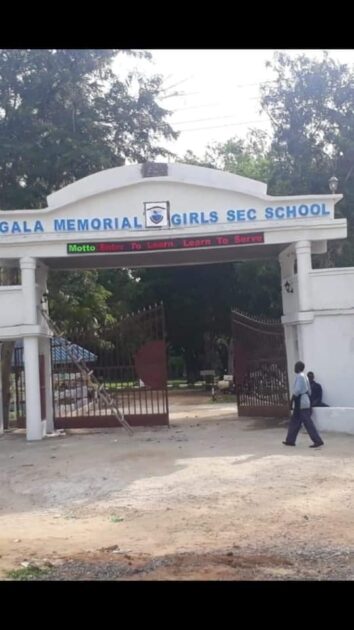
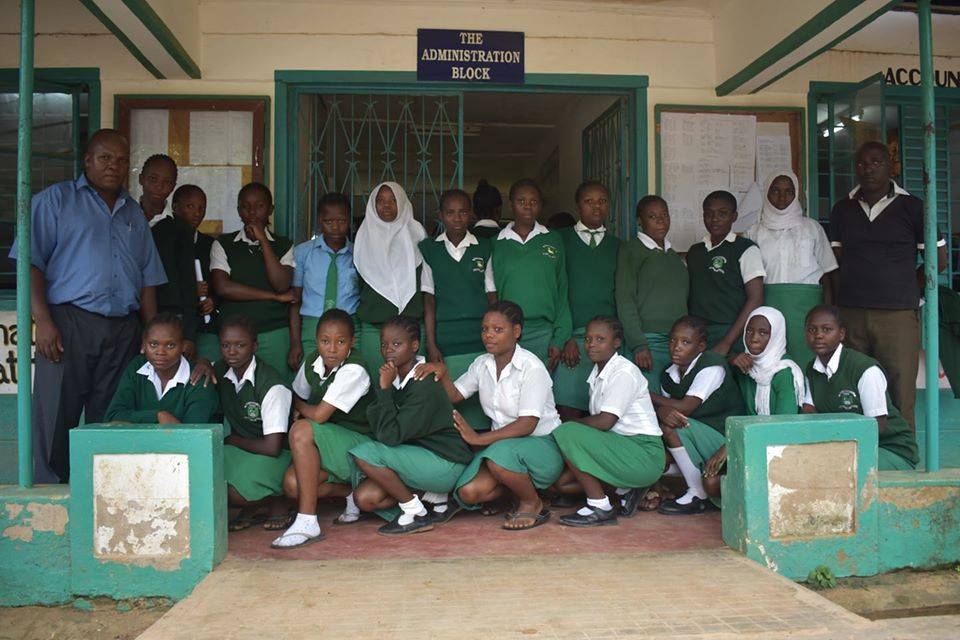
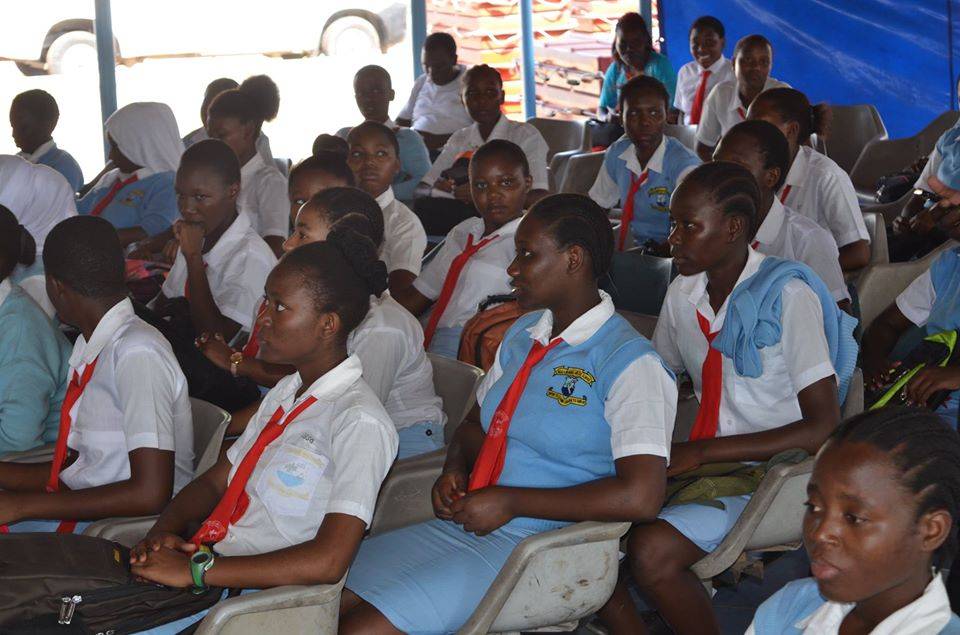
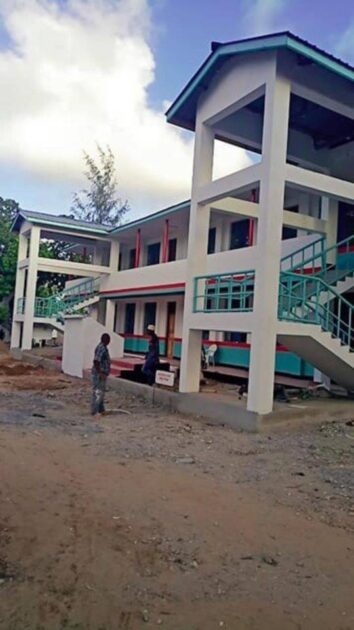
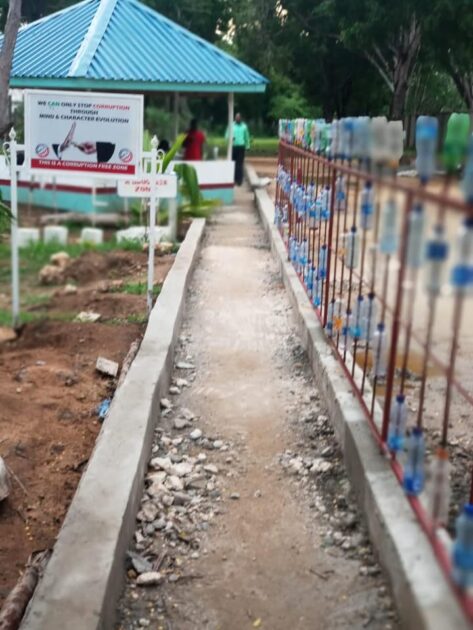
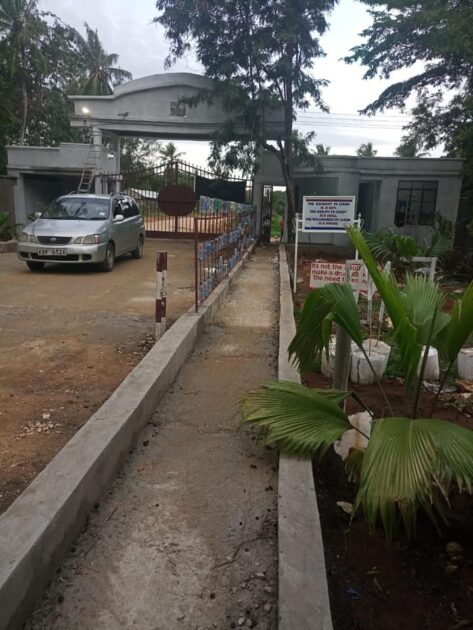
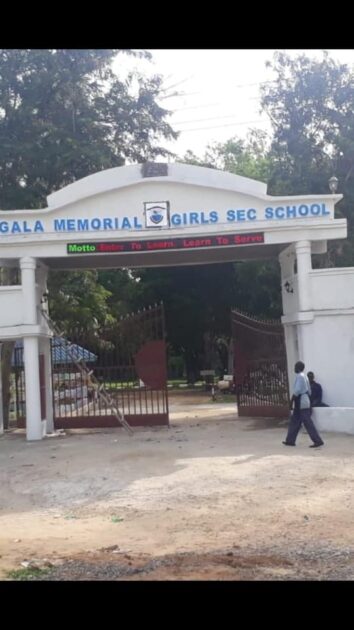
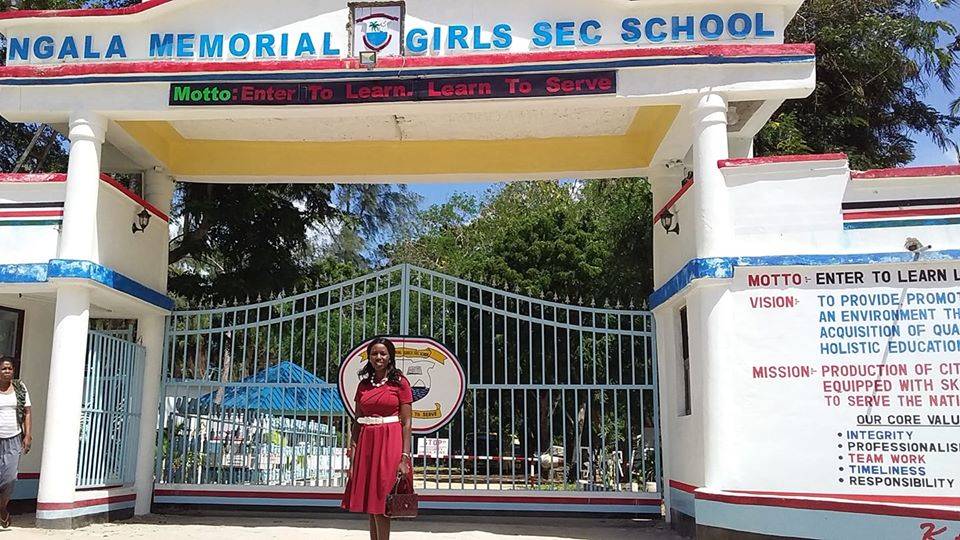
Ngala Memorial Girls Secondary School’s KCSE Results, KNEC Code, Admissions, Location, Contacts, Fees, Students’ Uniform, History, Directions and KCSE Overall School Grade Count Summary

Ngala Memorial Girls Secondary School is a Girls’ only boarding high school that is located in Watamu, Dabaso Sub location, Gede Location, Malindi Division, Malindi Constituency in Kilifi County; within the Coast Region of Kenya. Get to know the school’s KCSE Results, KNEC Code, contacts, Admissions, physical location, directions, history, Form one selection criteria, School Fees and Uniforms. Also find a beautiful collation of images from the school’s scenery; including structures, signage, students, teachers and many more.

 For all details about other schools in Kenya, please visit the link below;


NGALA MEMORIAL GIRLS’ SECONDARY SCHOOL’S KCSE RESULTS

Individual candidates can check their KCSE results by sending an SMS with their full index number (11digits) followed by the word KCSE. The SMS can be sent from any subscriber’s line (Safaricom, Airtel or any other) to 20076. For example, send the SMS in the format 23467847002KCSE to 20076. There should be no space left between the index number and the word KCSE.

One can also download the whole school’s KCSE results by Visiting the Official KNEC exams portal; https://www.knec-portal.ac.ke/.  This one requires the school’s log in credentials.

Finally, candidates can visit the school for their results. This is usually a day after the results have been released. It is important that you check your result slip to ensure there are no errors on it. Be keen to see that details such as your name, index number and sex are accurate. In case of any discrepancy, please notify your principal or KNEC immediately for correction.

NGALA MEMORIAL GIRLS’ SECONDARY  SCHOOL’S KCSE PERFORMANCE ANALYSIS/ GRADES COUNT

The school has maintained a good run in performance at the Kenya National Examinations Council, KNEC, exams. In the 2019 Kenya Certificate of Secondary Education, KCSE, exams the school posted good results to rank among the best schools in the County. This is how and where you can receive the KCSE results.

SUBSCRIBE FOR TIMELY NEWS FEEDS

Please, remember to subscribe to our news channel to get real time news feeds. Simply click on the white bell when it pops up. Then, select ‘Subscribe’. Thanks.


NGALA MEMORIAL GIRLS’ SECONDARY SCHOOL’S BASIC INFO & CONTACTS AT A GLANCE

In need of more information about the school? Worry not. Use any of the contacts below for inquiries and/ or clarifications. Here is a collation of the school’s basic details:

  • SCHOOL’S NAME:  Ngala Memorial Girls Secondary School
  • SCHOOL’S TYPE: Girls’ only boarding school
  • SCHOOL’S CATEGORY: Extra County school.
  • SCHOOL’S LEVEL: Secondary
  • SCHOOL’S KNEC CODE: 04107105
  • SCHOOL’S OWNERSHIP STATUS: Public/ Government owned
  • SCHOOL’S PHONE CONTACT:
  • SCHOOL’S POSTAL ADDRESS: P.O. Box 207, Watamu 80202
  • SCHOOL’S EMAIL ADDRESS: ngalagirls@yahoo.com
  • SCHOOL’S WEBSITE:

NGALA MEMORIAL GIRLS’ SECONDARY SCHOOL’S BRIEF HISTORY

FOR A COMPLETE GUIDE TO ALL SCHOOLS IN KENYA CLICK ON THE LINK BELOW;

Here are links to the most important news portals:


NGALA MEMORIAL GIRLS’ SECONDARY SCHOOL’S VISION
NGALA MEMORIAL GIRLS’ SECONDARY SCHOOL’S MISSION
NGALA MEMORIAL GIRLS’ SECONDARY  SCHOOL’S MOTTO
NGALA MEMORIAL GIRLS’ SECONDARY  SCHOOL’S FORM ONE SELECTION CRITERIA & ADMISSIONS

Being a public school, form one admissions are done by the Ministry of Education. Vacancies are available on competitive basis. Those seeking admissions can though directly contact the school or pay a visit for further guidelines.

You have been selected to join form one at high school? Well. Congratulations. In case you need to see your admission letter, then click on this link to download it; Official Form one admission letter download portal.

Also read;

BEST LINKS TO TSC SERVICES & DOCUMENTS; ONLINE

 For all details about other schools in Kenya, please visit the link below;


NGALA MEMORIAL GIRLS’ SECONDARY SCHOOL’S PHOTO GALLERY

Planning to pay the school a visit? Below are some of the lovely scenes you will experience.

NGALA MEMORIAL GIRLS’ SECONDARY SCHOOL

NGALA MEMORIAL GIRLS’ SECONDARY SCHOOL

NGALA MEMORIAL GIRLS’ SECONDARY SCHOOL

NGALA MEMORIAL GIRLS’ SECONDARY SCHOOL

NGALA MEMORIAL GIRLS’ SECONDARY SCHOOL

NGALA MEMORIAL GIRLS’ SECONDARY SCHOOL

NGALA MEMORIAL GIRLS’ SECONDARY SCHOOL

NGALA MEMORIAL GIRLS’ SECONDARY SCHOOL

NGALA MEMORIAL GIRLS’ SECONDARY SCHOOL

NGALA MEMORIAL GIRLS’ SECONDARY SCHOOL

NGALA MEMORIAL GIRLS’ SECONDARY SCHOOL

Thanks for reading this article. Once again, remember to subscribe for timely news feeds. Thanks.


Also read:

SPONSORED LINKS; YOUR GUIDE TO HIGHER EDUCATION

For a complete guide to all universities and Colleges in the country (including their courses, requirements, contacts, portals, fees, admission lists and letters) visit the following, sponsored link:

SPONSORED IMPORTANT LINKS:

How to Log in to Egerton University Students Portal online, for Registration, E-Learning, Hostel Booking, Fees, Courses and Exam Results

Universities have Students Portals that enable students to get many services online at their convenience. To access the Student Portal, one must be a duly registered student. Once admitted to university, a student is given the Students Portal Log in credentials; Registration Numbers and Password. To Log onto the Egerton University Students Portal, use the link; https://studentportal.egerton.ac.ke/portal/ Here is a list of some of the common services that students get in the Students Portal, Once Logged in:
    •  Fees Statement
    •  Print Statement
    •  Proforma Invoice
    •  Fees Structure
    •  Receipts
  • Academics tab providing information and services on: 1. Time Table 2. Registration for Units 3. List of Registered Units 4. List of Attempted Unit(s) 5. Exam Card 6. Provisional Results 7. Provisional Results / Year
  • Hostel Booking; Here you can reserve a room even when you are on recess.
  • Password Resetting; In case you forget your Log in Password, you can easily reset it by using this tab.

EGERTON UNIVERSITY EDUCATION COURSES

The university offers a wide range of education courses in its Faculty of Education.

Admission Requirements

Candidates admitted to the Degree of Bachelor of Education (Science) must satisfy the minimum entrance requirements of the Egerton University. They must also satisfy departmental requirements before registering for courses in the respective departments. In satisfying the minimum entrance requirements of the University, candidates must have passed the Kenya Certificate of Secondary Education (KCSE) with the minimum grades against each subject as indicated below: C+ in Mathematics C+ in any of the following:
  • (i) Physics
  • (ii) Chemistry
  • (iii) Biology
  • (iv) Geography or B- in any of the following subjects: Physical Sciences Biological sciences Alternatively, admission may be granted to holders of Diploma/S1 certificate in science Education from Institutions recognised by Egerton University provided the diplomas are at credits and above.
Bachelor of Education Course Requirements: Mean grade C+ (Plus) at KCSE and at least C+ in each of the two teaching subjects, 2 principal passes at A’Level and 1 subsidiary in relevant subjects, Diploma in Education (May be exempted in relevant units). P1 teachers must have scored C+ at KCSE to qualify.

Also read:

BACHELOR OF EDUCATION (SCIENCE) MINIMUM REQUIREMENTS AS SET BY KUCCPS Cluster 22 – Education Science & Education Arts
  1. CLUSTER SUBJECT 1 ENG
  2. CLUSTER SUBJECT 2 MAT A / MAT B / BIO / PHY / CHE / BIO / GSC
  3. CLUSTER SUBJECT 3 BIO / CHE / PHY / BIO / GSC / HAG / GEO / CRE / IRE / HRE
  4. CLUSTER SUBJECT 4 KIS / BIO / PHY / CHE / BIO / GSC / HSC / ARD / AGR / WW / MW / BC / PM / ECT / DRD / AVT / CMP / FRE / GER / ARB / KSL / MUC / BST NOTE: A subject may only be considered ONCE in this section
MINIMUM SUBJECT REQUIREMENTS
  1. SUBJECT 1: ENG; C
  2. SUBJECT 2: MAT A / MAT B; C
  3. SUBJECT 3: BIO / PHY / CHE / PSC / BSC / BIO / GSC: C+
Bachelor of Education(Arts) Admission Requirements
  1. Mean grade C+ (plus) at KCSE and at least C+ in each of the two teaching subjects chosen,
  2. 2 Principal passes at A’Leveland1 Subsidiary in relevant subjects,
  3. Diploma in Education.
  4. P1teachers must have scored a mean grade of C+ at KCSE with at least C+ in two teaching subjects chosen.
Bachelor of Education(Science) Admission Requirements
  1. Mean grade of C+(Plus) at KCSE with at least C (Plain) in Mathematics and C+ in each of the two teaching subjects or 2 Principal passes and 1 Subsidiary pass at A’ Level in Mathematics,
  2. Physics, Chemistry and Biology or Diploma in Education.

Important links:

LIST OF KUCCPS ACCREDITE PROGRAMMES ON OFFER EGERTON UNIVERSITY

S/N PROGRAMME CODE PROGRAMME NAME 2018 CUTOFF 2017 CUTOFF 2016 CUTOFF 2015 CUTOFF 2014 CUTOFF
1 1057101 BACHELOR OF ARTS 24.851 25.339 25.256 30.020 28.390
2 1057107 BACHELOR OF SCIENCE (ACTUARIAL SCIENCE) 38.588 38.013 41.278 41.251 43.575
3 1057112 BACHELOR OF SCIENCE (BIOCHEMISTRY) 29.992 27.777 35.692 39.993 34.981
4 1057115 BACHELOR OF SCIENCE (COMPUTER SCIENCE) 37.208 38.035 39.399 42.207 42.304
5 1057120 BACHELOR OF SCIENCE 22.817 23.179 22.446 27.190 28.080
6 1057121 BACHELOR OF SCIENCE (AGRICULTURAL ENGINEERING) 30.095 30.252 33.665 39.926 39.085
7 1057122 BACHELOR OF SCIENCE (AGRICULTURE) 24.077 26.305 26.792 32.862 32.224
8 1057124 BACHELOR OF SCIENCE (FOOD SCIENCE & TECHNOLOGY) 26.588 30.968 34.121 37.800 39.146
9 1057130 BACHELOR OF VETERINARY MEDICINE 37.061 35.975 38.918 41.617 40.856
10 1057131 BACHELOR OF MEDICINE & BACHELOR OF SURGERY 42.743 40.902 43.684 44.543 45.361
11 1057132 BACHELOR OF SCIENCE IN NURSING 39.375 37.152
12 1057133 BACHELOR OF COMMERCE 33.056 33.513 36.654 40.969 39.678
13 1057134 BACHELOR OF LAWS (LLB) 38.496 38.443 32.416 41.988
14 1057135 BACHELOR OF EDUCATION (ARTS) 30.772 29.213 32.652 36.440 36.620
15 1057136 BACHELOR OF ARTS (CRIMINOLOGY AND SECURITY STUDIES) 32.893 33.225 34.958
16 1057137 BACHELOR OF EDUCATION (SCIENCE) 34.800 33.069 34.875 37.870 32.020
17 1057142 BACHELOR OF SCIENCE (WILDLIFE ENTERPRISES & MANAGEMENT) 26.634 22.501 27.037 31.649
18 1057163 BACHELOR OF SCIENCE (STATISTICS) 35.055 34.585 36.832 41.716 40.980
19 1057173 BACHELOR OF SCIENCE (WATER AND ENVIRONMENTAL ENGINEERING) 28.761 31.943 33.192 36.804 38.841
20 1057174 BACHELOR OF SCIENCE IN SOIL ENVIRONMENT & LAND USE MANAGEMENT) 30.854 21.817 28.732 25.000
21 1057185 BACHELOR OF SCIENCE (HORTICULTURE) 25.119 26.853 23.492 33.082 32.211
22 1057190 BACHELOR OF SCIENCE (FOOD NUTRITION & DIETETICS) 25.674 29.067 28.362 39.186 39.508
23 1057195 BACHELOR OF SCIENCE (BIOMEDICAL SCIENCE & TECHNOLOGY) 33.075 26.641 34.951 40.173 34.976
24 1057198 BACHELOR OF ARTS (ECONOMICS & SOCIOLOGY) 29.236 28.235 27.573 36.107 30.177
25 1057200 BACHELOR OF SCIENCE (ECONOMICS & STATISTICS) 35.512 35.123 39.479 42.416 42.516
26 1057211 BACHELOR OF SCIENCE (MANUFACTURING ENGINEERING & TECHNOLOGY) 36.337 33.959 34.868 34.072 39.766
27 1057213 BACHELOR OF SCIENCE (ENVIRONMENTAL SCIENCES) 24.599 29.199 29.185 36.350 27.796
28 1057216 BACHELOR OF SCIENCE (AGRICULTURAL ECONOMICS) 26.047 27.117 27.303 36.120 35.520
29 1057217 BACHELOR OF SCIENCE (CLOTHING TEXTILE & INTERIOR DESIGN) 28.878 27.136 29.633 34.401 31.335
30 1057223 BACHELOR OF SCIENCE (ECOTOURISM & HOSPITALITY MANAGEMENT) 26.259 25.236 29.863 36.152 35.910
31 1057230 BACHELOR OF SCIENCE (INSTRUMENTATION & CONTROL ENGINEERING) 36.276 34.317 33.376 29.534 40.434
32 1057233 BACHELOR OF SCIENCE IN LIBRARY AND INFORMATION SCIENCE 24.983 27.223 26.497
33 1057238 BACHELOR OF PSYCHOLOGY 27.105 25.976 29.896 33.331 32.948
34 1057239 BACHELOR OF SCIENCE (COMMUNITY DEVELOPMENT) 26.558 26.393 27.789 30.422 30.789
35 1057249 BACHELOR OF PURCHASING & SUPPLIES MANAGEMENT 30.714 31.041 35.140 40.529 39.128
36 1057257 BACHELOR OF AGRIBUSINESS MANAGEMENT 24.998 26.328 24.861
37 1057292 BACHELOR OF SCIENCE (GEOGRAPHY) 26.402 29.028 25.973
38 1057293 BACHELOR OF SCIENCE (ANIMAL SCIENCE) 24.531 27.616 23.454 33.964 31.633
39 1057298 BACHELOR OF SCIENCE (ENTREPRENEURSHIP AND SMALL ENTERPRISES MANAGEMENT) 24.702 25.099 26.718
40 1057299 BACHELOR OF ENTREPRENUERSHIP & SMALL BUSINESS MANAGEMENT 25.188 25.767
41 1057304 BACHELOR OF ARTS (GENDER, WOMEN AND DEVELOPMENT STUDIES) 24.962 27.008 26.235 31.129 32.855
42 1057342 BACHELOR OF ARTS (HISTORY & ECONOMICS) 23.925 23.650 23.283 31.166 32.366
43 1057345 BACHELOR OF SCIENCE (DAIRY TECHNOLOGY & MANAGEMENT) 27.950 26.589 22.048 27.542 28.831
44 1057346 BACHELOR OF SCIENCE (AGRICULTURE & HUMAN ECOLOGY EXTENSION) 25.084 33.005 22.301 29.516 29.494
45 1057347 BACHELOR OF SCIENCE (APPLIED AQUATIC SCIENCE) 28.676 21.072 24.779 25.000
46 1057348 BACHELOR OF SCIENCE (NATURAL RESOURCES MANAGEMENT) 29.269 22.384 31.145 28.153
47 1057385 BACHELOR OF ARTS (COMMUNICATION AND MEDIA) 31.415 29.277 29.857
48 1057402 BACHELOR OF SCIENCE IN DRYLAND RESOURCE MANAGEMENT 29.307 26.320 22.971 29.887 27.941
49 1057417 BACHELOR OF SCIENCE (AGRICULTURAL EDUCATION & EXTENSION) 30.905 26.969 32.552 37.970 37.490
50 1057419 BACHELOR OF SCIENCE (INTEGRATED FOREST RESOURCES MANAGEMENT) 27.655 22.835 23.000 25.000
51 1057560 BACHELOR OF SCIENCE CLINICAL MEDICINE 40.250 37.975
52 1057622 BACHELOR OF ARTS IN HISTORY & INTERNATIONAL STUDIES 28.554 27.828 28.733 34.605 35.049
53 1057689 BACHELOR OF SCIENCE IN ANIMAL HEALTH MANAGEMENT 23.403 29.005 24.755 36.691 34.581
54 1057806 BACHELOR OF ARTS (SOCIOLOGY & RELIGION) 25.046 26.104 25.558

SUMMARY OF PROGRAMMES

Click on the links below to get full course details;
 

Bachelor of Education ARTS course; Requirements, duration, job opportunities and universities offering the course

The Bachelor of Education Arts Degree equips students with knowledge and skills on Curriculum delivery. There are a number of subject combinations that students can choose from. The Teachers Service Commission, TSC, currently requires one to chose atleast two teaching subjects.

CAREER OPPORTUNITIES

Teaching in Public and Private Secondary Schools, Colleges, Primary Schools, Ministry of Education.

For a complete guide to all universities and Colleges in the country (including their courses, requirements, contacts, portals, fees, admission lists and letters) visit the following, sponsored link:

REQUIREMENTS FOR THE BACHELOR OF EDUCATION (ARTS) COURSE

On the KUCCPS site, this course is placed under cluster 22.
CLUSTER SUBJECT 1 ENG
CLUSTER SUBJECT 2 MAT A / MAT B / BIO / PHY / CHE / BIO / GSC
CLUSTER SUBJECT 3 BIO / CHE / PHY / BIO / GSC / HAG / GEO / CRE / IRE / HRE
CLUSTER SUBJECT 4 KIS / BIO / PHY / CHE / BIO / GSC / HSC / ARD / AGR / WW / MW / BC / PM / ECT / DRD / AVT / CMP / FRE / GER / ARB / KSL / MUC / BST
NOTE: A subject may only be considered ONCE in this section

MINIMUM SUBJECT REQUIREMENTS

SUBJECT 1 ENG C
SUBJECT 2 MAT A / MAT B D+
SUBJECT 3 HAG / GEO / CRE / IRE / HRE / SEE C+

For all information related to students placement in Universities and Colleges, click on the link below:

INSTITUTIONS WHERE THE PROGRAMME IS OFFERED

Some of the institutions offering this programme are:

AIU AFRICA INTERNATIONAL UNIVERSITY
ANU AFRICA NAZARENE UNIVERSITY
AUC ALUPE UNIVERSITY COLLEGE
BARA UNIVERSITY OF EASTERN AFRICA, BARATON
BUC BOMET UNIVERSITY COLLEGE
CU CHUKA UNIVERSITY
CUEA CATHOLIC UNIVERSITY OF EAST AFRICA
DAYSTAR DAYSTAR UNIVERSITY
EU EGERTON UNIVERSITY
GLUK GREAT LAKES UNIVERSITY OF KISUMU
GRETSA GRETSA UNIVERSITY
GU GARISSA UNIVERSITY
KABU KABARAK UNIVERSITY
KAFUCO KAIMOSI FRIENDS UNIVERSITY COLLEGE
KAGEU KENYA ASSEMBLIES OF GOD EAST UNIVERSITY
KARU KARATINA UNIVERSITY
KBBU KIBABII UNIVERSITY
KCA KCA UNIVERSITY
KEMU KENYA METHODIST UNIVERSITY
KHEU KENYA HIGHLANDS EVANGELICAL UNIVERSITY
KSU KISII UNIVERSITY
KSUC KOITALEEL SAMOEI UNIVERSITY COLLEGE
KU KENYATTA UNIVERSITY
KWUST KIRIRI WOMENS UNIVERSITY OF SCIENCE AND TECHNOLOGY
LU LAIKIPIA UNIVERSITY
LUKENYA LUKENYA UNIVERSITY
MARIST MARIST INTERNATIONAL UNIVERSITY COLLEGE
MCKU MACHAKOS UNIVERSITY
MKU MOUNT KENYA UNIVERSITY
MMARAU MAASAI MARA UNIVERSITY
MMUST MASINDE MULIRO UNIVERSITY OF SCIENCE & TECHNOLOGY
MSU MASENO UNIVERSITY
MU MOI UNIVERSITY
MUT MURANGA UNIVERSITY OF TECHNOLOGY
PIU PIONEER INTERNATIONAL UNIVERSITY
PU PWANI UNIVERSITY
PUEA PRESBYTERIAN UNIVERSITY OF EAST AFRICA
RIU RAF INTERNATIONAL UNIVERSITY
RNU RONGO UNIVERSITY
SCU SCOTT CHRISTIAN UNIVERSITY
SEKU SOUTH EASTERN KENYA UNIVERSITY
SPU ST PAULS UNIVERSITY
TEAU THE EAST AFRICAN UNIVERSITY
THRKUC THARAKA UNIVERSITY COLLEGE
TMUC TOM MBOYA UNIVERSITY COLLEGE
TRUC TURKANA UNIVERSITY COLLEGE
TUC TANGAZA UNIVERSITY COLLEGE
UMMA UMMA UNIVERSITY
UOE UNIVERSITY OF ELDORET
UOEM UNIVERSITY OF EMBU
UOK UNIVERSITY OF KABIANGA
UON UNIVERSITY OF NAIROBI
ZETECH ZETECH UNIVERSITY

RELATED SPONSORED LINKS:

2020 List of Qualifiers to the Nyanza Region Term One Games

Girls’ Basketball holders Sironga Girls relinquished the trophy to newbies Mokomoni mixed as  the 2020 Nyamira County Secondary Schools’ Championship came to a close on Friday afternoon. The four day Championship that was held at Nyansiongo High School also saw the hosts clinch the Boys’ Basketball title and book a ticket to the Nyanza Region Games.

Sironga playing at their fifth final in a row got the going tough against Mokomoni who were appearing at the County Championship for the second time. But, it is Sironga Girls who were off the blocks, first, leading 9-7 in the first Quarter. But the new champs responded well in the second quarter to take a 9-4 lead; and held off to win the game by a 29-26 scoreline.

At the Semi finals played on Friday Morning, Sironga had eliminated former champs Ekenyoro Technical as Mokomoni shed off opposition from Manga Girls Model to reach the finals stage.


FOR A COMPLETE GUIDE TO ALL SCHOOLS IN KENYA CLICK ON THE LINK BELOW;

Here are links to the most important news portals:


The boys’ final was hotly contested with the hosts holding on to dethrone former champs Nyambaria boys by a 64-40 scoreline. “Am happy with the way my boys have approached each match this year. This win is a morale booster and I know the boys are well psyched for the upcoming Regional games,” said Nyansiongo Boys’ tactician Edward Abuga; after seeing his boys lift the title.

The Nyanza Region Term one games that were to be held at Rapogi Boys in Migori County (next week) have since been postponed due to the outbreak of the Corona Virus (Covid-19) disease in the Country. This is after the reporting of the first ever case of Corona virus in Kenya that was confirmed on Friday. The term one games feature swimming, hockey, basketball, Handball, athletics, Rugby 7’s and 15’s.

Related Content; 22020 Nyanza Region Term one Games Pools, Draws and Fixtures.

Here is a list of Qualifiers from Nyamira County:

  • Basketball Boys: Nyansiongo Boys
  • Basketball Girls: Mokomoni Mixed
  • Handball Boys: Marindi Mixed
  • Handball Girls: Masosa Mixed.
  • Rugby 7’s: Gekano Boys and Enkinda Mixed.
  • Rugby 15’s:
Also read;