Senior Schools in Homabay County {Ultimate List}: Homabay County, found in the Nyanza Region of Kenya, has a total of 340 registered Senior Schools offering the Competency Based Education (CBE). Of these, 14 are Private schools, while the remaining 326 are Public schools. Homa Bay County has some of the reknown and top-performing Senior schools in the Nyanza region, particularly known for their strong performance in the Knec examinations and co-curricular activities. These include: Asumbi Girls High School, Agoro Sare High School, Mbita High School, Homa Bay High School, Ogande Girls High School and Oriwo Boys High School; among others.
Here is a quick overview and review of the top schools in Homa Bay County:
Asumbi Girls High School: This is a Girls’ National, C1, School with impressive academic and co-curricular activities performance.
Agoro Sare High School: A Boys’ C1 school with excellent academic performance. The school is known for its strong performance at Sports and Games; particularly Baskeball and Soccer.
Mbita High School: A reknown National School for Boys.
Homa Bay High School: Located at the heart of Homabay town, this is one of the most prestigious school in the region with expansive land and facilities.
Ogande Girls High School: A top performing Girls’ C1 School.
Oriwo Boys High School: A C2 school with impressive academic performance.
Ambassador Pamela Mboya Girls: A top performer in the Mbita region, known for its disciplined environment. It is a Girls’ only C2 school.
St. Joseph’s Rapogi : While in neighboring Migori, it often competes closely with Homa Bay schools for regional dominance.
Wang’apala Secondary School: A strong academic contender in Rachuonyo East.
Mirogi Boys High School: Historically a solid performer in the Ndhiwa sub-county.
Ober Boys Secondary School: Known for its steady improvement in Knec exams over the last few years.
Breakdown of Senior Schools in Homabay County.
Total Number of Senior Schools in Homabay County: 340 Schools
Public Senior Schools in Homabay County: 326 Schools
Extra County, C2, Senior Schools in Homabay County: 18 Schools
ORIWO BOYS
GENDIA BOYS
IGNATIUS LOYOLA MAWEGO GIRLS
OUR LADY OF MERCY RINGA BOYS HIGH SCHOOL
WANG’APALA BOYS
OBER SECONDARY
DUDI GIRLS
NYAMASARE GIRLS
AMBASSADOR PAMELA MBOYA GIRLS
TOM MBOYA
GABRIEL GWASSI GIRLS SECONDARY SCHOOL
TONGA BOYS
MOI GIRLS SINDO
ST AUGUSTINE MIROGI BOYS
RATANG’A SECONDARY SCHOOL
MAGINA GIRLS
MIROGI GIRLS SECONDARY
KUOYO KOCHIA BOYS
County, C3, Senior Schools in Homabay County: 45 Schools
PETER OWIIDI
KARABOK MIXED
ST INNOCENT JONYO MIXED
NYANGAJO GIRLS
GOGO MIXED
SIBURI MIXED
KOBALA MIXED
DANIS OBARA SEC
ANGINO MIXED
GOD BER MIXED
OTHORO MIXED
RINGA GIRLS
MARYS MARINDI GIRLS
BISHOP OKULU MAGARE GIRLS
ST PETERS DISII MIXED
LAMBWE SEC
KASWANGA GIRLS SEC
SENATOR OTIENO KAJWANG HIGH SCHOOL -GERA
RUSINGA GIRLS HIGH SCHOOL
WAONDO
OGONGO SEC
ST ANTONY NYANDHIWA
NYABERA GIRLS SEC
GINGO MIXED SEC
KIKUBI GIRLS SEC
NYATAMBE
GOD BURA SEC
GOD OLOO SEC
LWANDA KAWUOR MIXED SECONDARY
ST PAUL NYAMANGA MIXED
ST GABRIEL MIRANGA BOYS
OJODE PALA MIXED
OBERA BOYS SECONDARY
ST PETERS RAMBUSI SEC
ST MARYS NYAMOGO GIRLS
RATANGA GIRLS
OLARE MIXED
ST DOMINIC RABANGO
ST PAULS LIGISA
RANGWE GIRLS DAY SEC
ST JOSEPHINE BAKHITA GIRLS NYALIENGA
KOYOO SEC
LUORA SEC
MARY’S KACHAR GIRLS SEC
GOD KADO MIXED
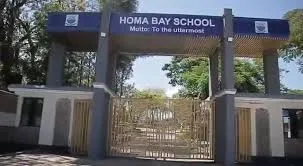
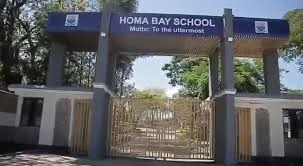
Homa Bay School which is one of the National Schools in Homabay County. Here is the New list of all National Schools in Nyanza Region {CBE Senior Schools}
Bang’a Secondary School : Get all the Senior School’s CBE Subjects, Pathways, Contacts, Location, Fees, Admission, Photos {Full Details}
Welcome to Bang’a Secondary School
Bang’a Secondary School is a public Mixed secondary, Senior, schoolcategorized as C4 under the new Competency-Based Education (CBE) curriculum. We are dedicated to empowering our students through quality education, discipline, and integrity, while providing a safe and supportive environment where every child can discover their potential and thrive.
Browse through our website to learn more about us, from our academic programs and vibrant student life to our achievements and community engagement. Get to know more about the school’s physical location and academic programmes.
TABLE OF CONTENTS.
Here is a quick summary of what to get in this article:
School’s Physical Location
Key details about the school
School’s Fees and Payment details
School Profile and Information
Subject combinations and pathways offered at the school
How to get the school’s Knec Exam Results
Getting more information about the school
How to check grade 10 selection choices.
The School’s History and Legacy
Teaching Staff at the school
The Grade 10 Selection System
Important Contacts
CBE Careers
List of approved TSC Senior School Subject Combinations.
Details of all other Senior Schools in Kenya.
Bang’a Secondary School || Physical Location
Bang’a Secondary School is a public Mixed, (Boys’ and Girls’) Sub-County Level Day School. The Senior School (Secondary School) is physically located at Kinango Subcounty in Kwale County of the Coast Region, Kenya. Placement in the school is done by the Ministry of Education of the Republic of Kenya. To be placed to join this school, a grade 9 learner has to select the school online and placement is done based on the available grade 10 vacancies. We have also provided theSchool’s Official Phone Number Contact. Reach the Principal directly on: +254-
This well researched article provides the latest and accurate on the school’s School Physical Location, Postal Address, Mobile Number, Telephone Number, Email Address and School Website. Also available is the school’s Category, type, level, accomodation type, Knec Code and Performance at KNEC EXAMS.
Our school’s story is one of resilience, growth, and community. On this page, you’ll find a summary of who we are—our mission, values, and the people who make it all happen. From humble beginnings to a vibrant learning environment, we continue to serve with pride. Whether you’re a parent, student, alumni, or visitor, we invite you to learn more and become part of our journey. Here is a quick run through the school’s key details:
For more information about admission requirements, facilities, and application procedures, contact the school directly. Use the official phone number indicated above to get information about the school’s fees, uniform, meals and performance.
The Grade 10 School and Career Pathway Selection System is a national digital platform developed to assist Grade 9 learners in making informed decisions as they transition to Senior School. The platform enables students to select their preferred Pathways, Subject Combinations & Senior Schools in line with Kenya’s Competency-Based Education (CBE) framework.
The goal is to empower learners to take control of their educational journey by aligning their selections with their individual talents, interests, and aspirations.
The platform is used to place learners who have completed Grade 9 into appropriate senior secondary schools based on their performance, interests, and chosen career pathways under the Competency-Based Education Curriculum (CBC/ CBE) in Kenya.
This system is tailored for the CBC/ CBE framework and focuses on talent, interest, and ability – helping students transition smoothly into senior school (Grades 10 to 12).
Learner Selection Verification
Enter your Assessment Number to view your selections
The Knec Schools Portal provides details on all schools in Kenya. The portal provides all particular school’s information on: KNEC Exam Results Analysis, Contacts, Location, Admissions, History, Fees, Portal Login, Website, KNEC Code, photographs, directions and many more. To get complete information about a particular school, use these simple and quick steps:
Step 2: In the Search Box, type the Name of the school; whose information you neeed (See screenshot below). Click on the search icon or enter and visit the link with the information that you need. It is as simple as that.
Knec Schools Portal Archives – Searching for information on a particular school now made easy.
Top 100 best extra County schools in Kenya
The Senior School’s Quick Overview
Welcome to our senior school; where education goes beyond academics to shape character, inspire leadership, and nurture purpose. Our school’s story is one of resilience, growth, and community. On this page, you’ll find a summary of who we are—our mission, values, and the people who make it all happen. From humble beginnings to a vibrant learning environment, we continue to serve with pride. Whether you’re a parent, student, alumni, or visitor, we invite you to learn more and become part of our journey.
The School’s Legacy
The school represents a story of vision, dedication, and growth. This page brings together the moments that shaped our identity: from early founding ideals to landmark achievements and community collaborations. Scroll through an interactive timeline, view curated photo galleries, and read first‑hand reflections that connect our heritage to today’s vibrant learning community.
Our school is made up of a vibrant teaching staff that is recruited by the Teachers Service Commission, TSC.As a school, we believe that teaching is more than delivering content—it’s about inspiring minds and shaping futures. This page highlights the educators who bring our mission to life: from veteran teachers with decades of experience to innovative newcomers integrating technology and project‑based learning. Learn about their credentials, classroom innovations, and the personal stories that drive their passion for education.
To select Grade 10 schools and subjects under the Competency-Based Curriculum (CBC) in Kenya, Grade 9 learners should first choose a career pathway (STEM, Social Sciences, or Arts & Sports Science). Then, they’ll select three subject combinations within that pathway and finally, choose four schools for each combination, totaling 12 schools. To select preferred Grade 10 Schools and Subject Combinations, use the Ministry of Education portal selection.education.go.ke.
1. How you can Choose a Career Pathway:
Identify your interests and potential career aspirations.
Select one of the three pathways: STEM, Social Sciences, or Arts & Sports Science.
Confirm your choice to proceed with the pathway.
2. Select Subject Combinations:
The portal will provide you with a list of subject combinations available within your chosen pathway.
Choose three subject combinations that align with your interests and strengths.
3. Select Preferred Senior Schools:
For each subject combination, select four schools from the available clusters.
This ensures a diverse range of options and equal representation from different categories of schools.
A total of 12 schools will be selected: 4 for the first subject combination, 4 for the second, and 4 for the third.
About the Grade 10 Selection System
The Grade 10 School and Career Pathway Selection System is a national digital platform developed to assist Grade 9 learners in making informed decisions as they transition to Senior School. The platform enables students to select their preferred Pathways, Subject Combinations & Senior Schools in line with Kenya’s Competency-Based Education (CBE) framework.
The goal is to empower learners to take control of their educational journey by aligning their selections with their individual talents, interests, and aspirations.
How to Contact Selection Support Team
For any queries on Grade 10 selection/ choices, contact: selection.basic@education.go.ke
POSSIBLE CBE CAREERS EXPLORER
Here are the Career opportunities under the Competency Based Education (CBE) curriculum:
Computer Studies Career Opportunities
• Computer Scientist
• Robotics Engineer
• Telecommunication Engineer
• Software Developer/Engineer
• System Administrator
• Database Administrator
• Network Engineer/Administrator
• Cybersecurity Analyst/Specialist
• Web Developer
• Data Analyst
• IT Support Specialist
• Computer Science Educator
• Cloud Solutions Architect
• Artificial Intelligence Engineer
• Machine Learning Engineer
• UI/UX Designer
• Game Developer
• Hardware Engineer
• Quantum Computing Scientist/Engineer
• AR/VR Developer
• IT Project Manager
Agriculture Career Opportunities
• Agricultural Engineer
• Agribusiness Manager
• Crop Consultant
• Livestock Manager
• Horticulturist
• Agricultural Extension Officer
• Food Safety Inspector
• Farm Manager
• Agricultural Scientist
• Soil Scientist
Music & Dance Career Opportunities
• Professional Musician (Instrumentalist, Vocalist)
• Professional Dancer
• Composer/Arranger
• Music Teacher/Instructor
• Dance Instructor
• Choreographer
• Performing Artist (opera, dance troupes, etc.)
• Music Therapist
• Dance Therapist
• Sound Engineer
• Music Journalist/Critic
• Dance Critic
Fine Arts Career Opportunities
• Visual Artist (Painter, Sculptor, Illustrator)
• Art Teacher/Instructor
• Art Conservator/Restorer
• Art Gallery Curator
• Art Director (advertising, design firms)
• Art Critic/Reviewer
• Museum Curator
• Exhibition Designer
• Illustrator (books, magazines)
• Graphic Designer
Theater & Film Career Opportunities
• Lighting Designer
• Sound Designer
• Film Editor
• Producer (Theatre, Film, Television)
• Casting Director
• Actor/Actress
• Director (Theatre, Film, Television)
• Playwright/Screenwriter
• Set Designer
• Art Director
• Costume Designer
Sports & Recreation Career Opportunities
• Recreation Manager
• Camp Coordinator
• Outdoor Adventure Guide/Instructor
• Park Ranger/Naturalist
• Event Planner/Coordinator
• Resort/Cruise Ship Recreation Director
• Professional Athlete
• Coach/Trainer
• Sports Official/Referee/Umpire
• Sports Agent/Manager
• Sports Journalist/Reporter
• Sports Broadcaster/Commentator
• Sports Photographer/Videographer
• Sports Editor/Producer
• Sports Marketing Specialist
• Sports Team Manager/Administrator
• Athletic Director
• Sports Facility Manager
• Sports Event Coordinator
English Career Opportunities
• Writer/Author
• Editor
• Proofreader
• Teacher
• Journalist
• Reporter
• Content Writer
• Copywriter
• Public Relations Specialist
• Communication Specialist
• Literary Critic/Scholar
• Professor of English Literature
• Publisher
• Cultural Heritage Officer
Kiswahili nCareer Opportunities
• Kiswahili Teacher/Instructor
• Translator/Interpreter
• Journalist/Reporter (Kiswahili media)
• Government Official/Diplomat
• Cultural Consultant
• Literary Critic/Scholar (Swahili literature)
• Professor of Swahili Literature
• Publisher (Swahili literature)
Sign Language Career Opportunities
• Sign Language Interpreter
• Sign Language Teacher/Instructor
• Advocate for the Deaf Community
• Social Worker (specializing in deaf services)
• Disability Rights Activist
• Literary Agent Researcher/Archivist
• Cultural Heritage Officer
• Translator/Interpreter
• Language Teacher/Instructor
• International Business/Trade Specialist
• Journalist
• Diplomat/Foreign Service Officer
• Cultural Liaison/Consultant
Religious Education Career Opportunities
• Religious Leader/Clergy
• Religious Educator/Teacher
• Counselor/Chaplain
• Interfaith Dialogue Coordinator
• Community Outreach Worker
• Religious Researcher/Scholar
Business Studies Career Opportunities
• Entrepreneur/Business Owner
• Business Manager/Administrator
• Marketing Specialist/Manager
• Human Resources Manager/Officer
• Financial Analyst/Advisor
• Management Consultant
• Supply Chain Manager
• Sales Representative/Manager
• Accountant
History & Citizenship Career Opportunities
• Historian
• History Teacher
• Archivist
• Museum Curator
• Cultural Heritage Officer
• Political Analyst
• Civil Service Administrator
• Diplomat
• Policy Advisor
• Lawyer (with focus on constitutional/human rights law)
• Journalist (political/historical focus)
• Genealogist
• Tour Guide (historical sites)
Geography (12) Career Opportunities
• Urban/Regional Planner
• Environmental Consultant
• GIS Specialist
• Cartographer/Mapmaker
• Conservation Scientist/Forester
• Transportation Planner
• Economic Development Specialist
• Climate Change Analyst
• Surveyor
• Hydrologist
• Demographer
• Geospatial Analyst
• Disaster Management Specialist
Pure Sciences (13) Career Opportunities
• Research Scientist
• Biologist
• Chemist
• Physicist
• Astronomer
• Mathematician
• Geologist
• Ecologist
• Oceanographer
• Meteorologist
• Seismologist
• Biophysicist
• Climatologist
• Paleontologist
• Engineer
• Environmental Scientist
• Forensic Scientist
• Medical Technologist
• Pharmacist
• Biomedical Engineer
• Food Scientist
• Material Scientist
• Industrial Designer
• Quality Assurance (QA) Engineer
• Petroleum Engineer
• Nuclear Engineer
• Renewable Energy Specialist
• Water Resource Engineer
• Safety Engineer
• Science Educator
• Neurologist
• Botanist
• Zoologist
• Geneticist
• Astrophysicist
• Entomologist
Marine Sciences Career Opportunities
• Marine Biologist
• Oceanographer
• Marine Engineer
• Aquaculture Manager
• Fisheries Scientist
• Marine Conservationist
• Marine Geologist
• Naval Architect
• Underwater Archaeologist
• Marine Policy Analyst
• Coastal Zone Manager
• Marine Educator
• Water Sports Instructor
• Marine Mining Specialist
• Marine Transport Specialist
• Port Manager
• Marine Environmental Consultant
• Marine Resource Manager
Metal Work Career Opportunities
• Welder
• Machinist
• Sheet Metal Worker
• Metal Fabricator
• Blacksmith
• Metal Sculptor
• Ironworker
• Metal Casting Technician
• Metal Finisher
• CNC Machine Operator
Wood Work Career Opportunities
• Carpenter
• Cabinet Maker
• Woodworker
• Joiner
• Wood Turner
• Furniture Designer
• Luthier (Instrument Maker)
• Boat Builder
• Wood Carver
• Restoration Specialist
Aviation Career Opportunities
• Pilot (Commercial/Private)
• Aircraft Mechanic/Technician
• Aerospace Engineer
• Aviation Maintenance Manager
• Flight Dispatcher
• Air Traffic Controller
• Avionics Technician
• Flight Instructor
• Aircraft Inspector
• Drone Operator
Building and Construction Career Opportunities
• Construction Manager
• Civil Engineer
• Architect
• Structural Engineer
• Construction Worker
• Quantity Surveyor
• Building Inspector
• Site Supervisor
• Estimator
• Bricklayer
Electricity Career Opportunities
• Electrician
• Electrical Engineer
• Power System Technician
• Electrical Drafter
• Power Plant Operator
• Renewable Energy Technician
• Electrical Inspector
• Control Systems Technician
• Instrumentation Technician
• Smart Grid Technician
Power Mechanics Career Opportunities
• Mechanical Engineer
• Automotive Technician
• Heavy Equipment Operator
• Diesel Systems Mechanic
• HVAC Technician
• Industrial Machinery Mechanic
• Aircraft Mechanic
• Elevator Installer/Repairer
• Railway Mechanic
• Hydraulics Specialist
Media Technology Career Opportunities
• Multimedia Producer
• Video Editor
• Audio Engineer
• Animation Specialist
• Broadcast Technician
• Video Journalist
• Podcast Producer
• Game Designer/Developer
• VR/AR Developer
• Mobile App Developer
• Web Developer
• UI/UX Designer
• Digital Marketer
• Social Media Manager
• SEO Specialist
• Film & TV Producer
• VFX Artist
• Media Systems Engineer
• Cloud Media Specialist
• AI & Automation Specialist
Marine and Fisheries Career Opportunities
• Marine Biologist
• Marine Ecologist
• Coral Reef Specialist
• Fisheries Manager
• Aquaculture Specialist
• Hatchery Manager
• Marine Scientist
• Fisheries Oceanographer
• Hydrologist
• Marine Conservationist
• Environmental Consultant
• Marine Policy Analyst
• Marine Engineer
• Naval Architect
• Deck Officer
• Commercial Fisher
• Seafood Quality Control Officer
• Processing Plant Manager
• Marine Researcher
• Marine Science Educator
Home Science Career Opportunities
• Nutritionist/Dietician
• Family and Consumer Scientist
• Textile Designer
• Interior Designer
• Child Development Specialist
• Gerontologist
• Home Economist
• Consumer Advocate
• Community Nutritionist
• Textile Technologist
• Housing Specialist
• Family Therapist
• Food Scientist
• Fashion Designer
•Care Specialist for the aged
• Preschool Administrator
• Human Development Researcher
• Consumer Product Developer
Geography Career Opportunities
• Urban/Regional Planner
• Environmental Consultant
• GIS Specialist
• Cartographer
• Conservation Scientist
• Transportation Planner
• Economic Development Specialist
• Climate Change Analyst
• Surveyor
• Hydrologist
Pure Sciences Career Opportunities
• Research Scientist
• Biologist
• Chemist
• Physicist
• Astronomer
• Mathematician
• Geologist
• Ecologist
• Oceanographer
• Meteorologist
TSC List of Approved TSC Teaching Subject Combinations for Secondary Schools
Science Combinations
Chemistry & Biology
Chemistry & Physics
Agriculture & Geography
Biology & Geography
Home Science & Biology
Physics & Computer
Agriculture & Biology
Agriculture & Chemistry
Language Combinations
English & Literature
Kiswahili & CRE (Christian Religious Education)
Kiswahili & History
Kiswahili & Geography
German & Geography
German & CRE
Kiswahili & IRE (Islamic Religious Education)
Kiswahili & Home Science
Kiswahili & P.E. (Physical Education)
French & Geography
French & Business Studies
French & CRE
French & History
Arabic & IRE
German & History
Mathematics Combinations
Mathematics & Business Studies
Mathematics & Geography
Mathematics & Computer
Mathematics & Chemistry
Mathematics & Biology
Mathematics & Physics
Humanities Combinations
Geography & CRE
History & CRE
Geography & History
Geography & IRE
History & IRE
History & P.E.
Geography & P.E.
Geography & Business Studies
Home Science & History
Home Science & CRE
SNE & P.E.
Music & P.E.
Technical Combinations
Metal Work & Mathematics
Metal Work & Physics
Woodwork & Mathematics
Woodwork & Physics
Electricity & Mathematics
Electricity & Physics
Fine Arts & History (Fine)
Art & Geography
Art & Design & History
Art & Design & Geography
Kiswahili & Home Science
Kiswahili & P.E.
SELECTION OF PATHWAYS AND SENIOR SCHOOLS
• Determination of pathways per senior school
• Determination of vacancies for boarding and day schooling in senior schools
• Selection of pathways, subjects’ combination and schools by grade 9 learners Selection based on pathway
The learner will select 12 schools for their chosen pathway as follows.
– Four 4 schools in first choice track and subject combination
– Four (4) schools in second choice subject combination
– Four (4) schools in third choice subject combination (Total 12 schools) Selection based on accommodation
Out of the 12 schools selected based on pathway;
9 will be boarding schools; 3 from the learners’ home county, 6 from outside their home county/county of residence.
Three (3) day schools in their home sub county/sub county of residence. (Total 12 schools)
Pre selection – A school that does not allow open placement can apply to be pre-select if it meets the criteria defined by the Ministry of Education.
How Placement of learners to Senior Schools (SS) at Grade 10 will be done
It will be based on:
Top 6 learners per gender in each STEM track per sub-county will be placed for Boarding in schools of choice
Top 3 learners per gender in each Social Science track per sub-county will be placed for Boarding in schools of choice
Top 2 learners per gender in each Arts and Sports Science track per sub-county be placed to Boarding schools of their choice
Placement of Candidates with Achievement Level of averaging 7 and 8 per track to boarding schools of their choice
Admission and replacement process
Placement results will show where learners have been placed
Admission letters/joining instructions shall be accessed online using the learner’s assessment Number.
All schools, both public and private shall admit Grade 10 through KEMIS
Leaners will be entered to the KEMIS System only after reporting physically to the school.
Daily online reporting shall be monitored through KEMIS
Replacements
Schools with vacancies will declare through their respective county directors of education
Learners who wish to change schools will make requests through the heads of junior schools at least 2 weeks before the official grade 10 reporting date
Priority shall be given to those who had earlier selected the schools they are requesting for Approvals by MoE shall be based on senior schools’ documented capacity
Upon a request’s approval, the joining instructions shall be accessed online; at no time shall a school issue printed letters for replacement cases
Replacement will be done once and shall be irreversible
The Teachers Service Commission (TSC) has taken disciplinary action against more than 100 teachers accused of abusing learners, as the agency intensifies efforts to root out sexual misconduct and immoral behavior in schools.
Appearing before the Senate Education Committee in Mombasa, TSC Director of Legal, Labour and Industrial Relations Cavin Anyuor, revealed that the commission has received 111 cases since January 2024, involving allegations such as sexual intercourse with learners, flirtation, molestation, lesbianism and pornography.
“Out of the 111 cases, 69 teachers were dismissed and deregistered, meaning they can no longer teach anywhere in the world. Their teaching licenses have been permanently revoked,” Mr Anyuor said.
Another nine teachers were dismissed, meaning they cannot work under TSC, although their licenses were not revoked. Twenty-five others were suspended, with the possibility of returning to service after the suspension period.
The official noted that the 25 suspended teachers may return to TSC depending on the length and outcome of their suspension.
The commission also dealt with one intern found guilty of misconduct and removed from the register.
“There is one intern teacher… even interns are not exempt. One went overboard and was also removed from the register,” Mr Anyuor added.
He further noted that four teachers were acquitted, having their interdictions revoked, while three cases were dropped after the implicated teachers died before facing disciplinary hearings.
“In four cases, the teachers were found to be innocent and their interdictions revoked. Three cases were cancelled because, by the time we called the teachers for disciplinary proceedings, they had passed away. That is how the 111 cases have been handled,” he said.
TSC has implemented a strict code of regulations outlining severe disciplinary consequences for offences involving learner abuse.
“Such cases attract the most severe punishment under the teacher discipline framework,” said Mr Anyuor.
He said that the TSC remains committed to protecting learners and upholding professional standards in the teaching service, assuring the public of a fair but firm disciplinary process in handling cases, particularly those involving abuse of learners.
Sexual abuse cases
Mr Anyuor added that all 111 cases received since January 2024 were handled through a “fair legal process backed by evidence.”
“Where evidence shows a teacher has no case to answer, we let them go. Not all are guilty — at least four were cleared and walked scot-free. We attempt to be fair but remain very firm on learner abuse,” he said.
He reiterated that learners are strictly prohibited from visiting teachers’ houses and urged immediate reporting of any violations or suspicions of misconduct.
To strengthen accountability, the official noted that TSC has enacted strict regulations and administrative circulars, including Circular No. 3 of 2010, which requires incidents of learner abuse to be reported within 24 hours. The circular also criminalises the suppression or concealment of such information by teachers.
The commission has enhanced reporting channels, establishing a free hotline and a public email address that enable anonymous reporting of sexual abuse cases.
“These platforms allow swift action, and one no longer needs to physically visit a school or TSC office to lodge a complaint,” he added.
Mr Anyuor said both state and non-state actors, along with members of the public, have embraced these digital platforms, significantly improving the commission’s response time and accountability.
To further protect whistleblowers, TSC has implemented an Integrity Policy that shields individuals reporting abuse or misconduct from retaliation or other negative consequences.
“There has been an increase in the number of cases reported by members of the public and stakeholders beyond the traditional communication channels,” he said
He noted that while some reports turn out to be fabricated or driven by internal school conflicts, many others raise genuine concerns that require urgent intervention.
He also revealed that the commission receives numerous anonymous reports of child abuse in schools, with some teachers accused of sexual exploitation attempting to interfere with investigations.
He reiterated that the TSC is committed to protecting learners and will continue to refine its legal and administrative frameworks to ensure all cases are thoroughly investigated and appropriate action is taken against offenders.
Mere Secondary School is a public Mixed, (Boys’ and Girls’) Sub-County Level Day Senior School that is physically located at Kieni East Subcounty in Nyeri County of the Central Region, Kenya. Placement in the school is done by the Ministry of Education of the Republic of Kenya. To be placed to join this school, a grade 9 learner has to select the school online and placement is done based on the available grade 10 vacancies. We have also provided theSchool’s Official Phone Number Contact. Reach the Principal directly on: (+254)0722424424
Subject Combinations Offered at Mere Secondary School
View all available subject combinations at this school
SOCIAL SCIENCES
2
HUMANITIES & BUSINESS STUDIESCode: SS2004
Geography,History & Citizenship,Literature in English
3 SubjectsSOCIAL SCIENCES
HUMANITIES & BUSINESS STUDIESCode: SS2109
Business Studies,Christian Religious Education,Fasihi ya Kiswahili
3 SubjectsSOCIAL SCIENCES
STEM
2
PURE SCIENCESCode: ST1004
Advanced Mathematics,Biology,Chemistry
3 SubjectsSTEM
APPLIED SCIENCESCode: ST2053
Agriculture,Business Studies,Physics
3 SubjectsSTEM
How to get the School’s Knec Results.
To check the school’s Knec results, visit Knec Portal and search for the school by its name.
📍 How to get more Information about the School
For more information about admission requirements, facilities, and application procedures, contact the school directly. Use the official phone number indicated above to get information about the school’s fees, uniform, meals and performance.
How to Contact the Ministry of Education, MoE- Kenya..
Contact the Ministry by using the following details;
1. State Department of Early Learning and Basic Education:
Postal Address: P.O Box 36260-00200 Nairobi, Kenya
To select Grade 10 schools and subjects under the Competency-Based Curriculum (CBC) in Kenya, Grade 9 learners should first choose a career pathway (STEM, Social Sciences, or Arts & Sports Science). Then, they’ll select three subject combinations within that pathway and finally, choose four schools for each combination, totaling 12 schools. To select preferred Grade 10 Schools and Subject Combinations, use the Ministry of Education portal selection.education.go.ke.
1. How you can Choose a Career Pathway:
Identify your interests and potential career aspirations.
Select one of the three pathways: STEM, Social Sciences, or Arts & Sports Science.
Confirm your choice to proceed with the pathway.
2. Select Subject Combinations:
The portal will provide you with a list of subject combinations available within your chosen pathway.
Choose three subject combinations that align with your interests and strengths.
3. Select Preferred Senior Schools:
For each subject combination, select four schools from the available clusters.
This ensures a diverse range of options and equal representation from different categories of schools.
A total of 12 schools will be selected: 4 for the first subject combination, 4 for the second, and 4 for the third.
TSC List of Approved TSC Teaching Subject Combinations for Secondary Schools
Science Combinations
Chemistry & Biology
Chemistry & Physics
Agriculture & Geography
Biology & Geography
Home Science & Biology
Physics & Computer
Agriculture & Biology
Agriculture & Chemistry
Language Combinations
English & Literature
Kiswahili & CRE (Christian Religious Education)
Kiswahili & History
Kiswahili & Geography
German & Geography
German & CRE
Kiswahili & IRE (Islamic Religious Education)
Kiswahili & Home Science
Kiswahili & P.E. (Physical Education)
French & Geography
French & Business Studies
French & CRE
French & History
Arabic & IRE
German & History
Mathematics Combinations
Mathematics & Business Studies
Mathematics & Geography
Mathematics & Computer
Mathematics & Chemistry
Mathematics & Biology
Mathematics & Physics
Humanities Combinations
Geography & CRE
History & CRE
Geography & History
Geography & IRE
History & IRE
History & P.E.
Geography & P.E.
Geography & Business Studies
Home Science & History
Home Science & CRE
SNE & P.E.
Music & P.E.
Technical Combinations
Metal Work & Mathematics
Metal Work & Physics
Woodwork & Mathematics
Woodwork & Physics
Electricity & Mathematics
Electricity & Physics
Fine Arts & History (Fine)
Art & Geography
Art & Design & History
Art & Design & Geography
Kiswahili & Home Science
Kiswahili & P.E.
SELECTION OF PATHWAYS AND SENIOR SCHOOLS
• Determination of pathways per senior school
• Determination of vacancies for boarding and day schooling in senior schools
• Selection of pathways, subjects’ combination and schools by grade 9 learners Selection based on pathway
The learner will select 12 schools for their chosen pathway as follows.
– Four 4 schools in first choice track and subject combination
– Four (4) schools in second choice subject combination
– Four (4) schools in third choice subject combination (Total 12 schools) Selection based on accommodation
Out of the 12 schools selected based on pathway;
9 will be boarding schools; 3 from the learners’ home county, 6 from outside their home county/county of residence.
Three (3) day schools in their home sub county/sub county of residence. (Total 12 schools)
Pre selection – A school that does not allow open placement can apply to be pre-select if it meets the criteria defined by the Ministry of Education.
How Placement of learners to Senior Schools (SS) at Grade 10 will be done
It will be based on:
Top 6 learners per gender in each STEM track per sub-county will be placed for Boarding in schools of choice
Top 3 learners per gender in each Social Science track per sub-county will be placed for Boarding in schools of choice
Top 2 learners per gender in each Arts and Sports Science track per sub-county be placed to Boarding schools of their choice
Placement of Candidates with Achievement Level of averaging 7 and 8 per track to boarding schools of their choice
Admission and replacement process
Placement results will show where learners have been placed
Admission letters/joining instructions shall be accessed online using the learner’s assessment Number.
All schools, both public and private shall admit Grade 10 through KEMIS
Leaners will be entered to the KEMIS System only after reporting physically to the school.
Daily online reporting shall be monitored through KEMIS
Replacements
Schools with vacancies will declare through their respective county directors of education
Learners who wish to change schools will make requests through the heads of junior schools at least 2 weeks before the official grade 10 reporting date
Priority shall be given to those who had earlier selected the schools they are requesting for Approvals by MoE shall be based on senior schools’ documented capacity
Upon a request’s approval, the joining instructions shall be accessed online; at no time shall a school issue printed letters for replacement cases
Replacement will be done once and shall be irreversible
Sunshine Secondary School is a Prestigious Private School that is located at Lang’ata Road in Nairobi County, Nairobi Region in Kenya. Get all the school’s details including: the physical location, Official Phone Number Contact, Website, Email Address and Postal Address.
Sunshine Secondary School Location, Contacts, Postal Address, Physical Address, County, Telephone Number, Email, Website
Being a Private School, placement at Grade 10 (Senior School) is done directly by the school. Use the contacts provided on this page to quickly get an admission vacancy at the school.
Sharda High School is a Prestigious Private School that is located at Ngara Road in Nairobi County, Nairobi Region in Kenya. Get all the school’s details including: the physical location, Official Phone Number Contact, Website, Email Address and Postal Address.
Sharda High School Location, Contacts, Postal Address, Physical Address, County, Telephone Number, Email, Website
Being a Private School, placement at Grade 10 (Senior School) is done directly by the school. Use the contacts provided on this page to quickly get an admission vacancy at the school.
Mbagathi Road Secondary School is a Girls’ Only Public Subcounty Day school which is located in Kibra Sub-County, in Nairobi County. The school has an enrollment of over 452 students. (+254)746730092 is the current direct school’s phone contact
Exact location: It is a public School that is located at Kibra Subcounty in Nairobi County of Nairobi Region, Kenya.
Key Details about the school.
Country where found: Kenya.
Region: Nairobi
County: Nairobi.
Subcounty: Dagoretti
School Type/ Ownership: A Public School.
Nature os School/ CBE Level: Senior School (SS).
Category: Regular School
School’s Official Name: Mbagathi Road Secondary School
Sex: Girls’ School.
School Cluster/ Level: Subcounty School.
Accomodation Type: Dayschool.
Knec Code: 20410006
Subject Combinations Offered at Mbagathi Road Secondary School
View all available subject combinations at this school
STEM
5
APPLIED SCIENCESCode: ST2007
Business Studies,Computer Studies,Physics
3 SubjectsSTEM
APPLIED SCIENCESCode: ST2067
Agriculture,Computer Studies,Physics
3 SubjectsSTEM
PURE SCIENCESCode: ST1042
Agriculture,Biology,Chemistry
3 SubjectsSTEM
APPLIED SCIENCESCode: ST2081
Agriculture,Biology,Home Science
3 SubjectsSTEM
PURE SCIENCESCode: ST1020
Advanced Mathematics,Chemistry,Physics
3 SubjectsSTEM
SOCIAL SCIENCES
6
HUMANITIES & BUSINESS STUDIESCode: SS2019
Christian Religious Education,Geography,History & Citizenship
3 SubjectsSOCIAL SCIENCES
HUMANITIES & BUSINESS STUDIESCode: SS2061
Business Studies,Geography,Literature in English
3 SubjectsSOCIAL SCIENCES
HUMANITIES & BUSINESS STUDIESCode: SS2069
Christian Religious Education,Fasihi ya Kiswahili,History & Citizenship
3 SubjectsSOCIAL SCIENCES
HUMANITIES & BUSINESS STUDIESCode: SS2109
Business Studies,Christian Religious Education,Fasihi ya Kiswahili
3 SubjectsSOCIAL SCIENCES
HUMANITIES & BUSINESS STUDIESCode: SS2047
Christian Religious Education,Geography,Literature in English
3 SubjectsSOCIAL SCIENCES
HUMANITIES & BUSINESS STUDIESCode: SS2001
Business Studies,Christian Religious Education,Geography
3 SubjectsSOCIAL SCIENCES
ARTS & SPORTS SCIENCE
9
SPORTSCode: AS2011
Biology,History & Citizenship,Sports & Recreation
3 SubjectsARTS & SPORTS SCIENCE
ARTSCode: AS1049
Literature in English,Music & Dance,Theatre & Film
3 SubjectsARTS & SPORTS SCIENCE
ARTSCode: AS1048
History & Citizenship,Music & Dance,Theatre & Film
3 SubjectsARTS & SPORTS SCIENCE
ARTSCode: AS1043
Fasihi ya Kiswahili,Music & Dance,Theatre & Film
3 SubjectsARTS & SPORTS SCIENCE
SPORTSCode: AS2014
Advanced Mathematics,Biology,Sports & Recreation
3 SubjectsARTS & SPORTS SCIENCE
SPORTSCode: AS2002
Biology,Business Studies,Sports & Recreation
3 SubjectsARTS & SPORTS SCIENCE
SPORTSCode: AS2007
Biology,Fasihi ya Kiswahili,Sports & Recreation
3 SubjectsARTS & SPORTS SCIENCE
SPORTSCode: AS2012
Biology,Literature in English,Sports & Recreation
3 SubjectsARTS & SPORTS SCIENCE
ARTSCode: AS1041
Islamic Religious Education,Music & Dance,Theatre & Film
3 SubjectsARTS & SPORTS SCIENCE
📍 School Information
How to Select Grade 10 Subjects and schools
To select Grade 10 schools and subjects under the Competency-Based Curriculum (CBC) in Kenya, Grade 9 learners should first choose a career pathway (STEM, Social Sciences, or Arts & Sports Science). Then, they’ll select three subject combinations within that pathway and finally, choose four schools for each combination, totaling 12 schools. To select preferred Grade 10 Schools and Subject Combinations, use the Ministry of Education portal selection.education.go.ke.
1. How you can Choose a Career Pathway:
Identify your interests and potential career aspirations.
Select one of the three pathways: STEM, Social Sciences, or Arts & Sports Science.
Confirm your choice to proceed with the pathway.
2. Select Subject Combinations:
The portal will provide you with a list of subject combinations available within your chosen pathway.
Choose three subject combinations that align with your interests and strengths.
3. Select Preferred Senior Schools:
For each subject combination, select four schools from the available clusters.
This ensures a diverse range of options and equal representation from different categories of schools.
A total of 12 schools will be selected: 4 for the first subject combination, 4 for the second, and 4 for the third.
List: Top 15 Schools and Pupils per County and Region in 2023 KCPE Results
Polite notice:We will update the Official List of the top 15 schools and students in KCPE 2023 (December edition) once the results are officially released. Subscribe to our channel for live updates.
St. Peter’s Mumias Boys: Top Candidate’s Score= 431/500.
Christ The King Academy: Top Candidate’s Score= 431/500.
Utafiti Primary School: Top Candidate’s Score= 429/500.
Grace Harvest Academy: Top Candidate’s Score= 429/500.
Premese Makueni Academy: Top Candidate’s Score= 429/500.
Imperial Primary School: Top Candidate’s Score= 429/500.
Golden Elites Kisumu: Top Candidate’s Score= 429/500.
Konza Plains Academy: Top Candidate’s Score= 428/500.
Gilgil Hills Academy: Top Candidate’s Score= 428/500.
Ongata Academy: Top Candidate’s Score= 428/500.
Amwamba Primary School: Top Candidate’s Score= 427/500.
All Saints Cathedral School: Top Candidate’s Score= 427/500.
Bambino Academy: Top Candidate’s Score= 427/500.
St Mathews Learning Centre: Top Candidate’s Score= 426/500.
Ndanai Township Academy: Top Candidate’s Score= 426/500.
S.NO.
COUNTY
NAME
REGION
MARKS
KCPE 2023
SCHOOL
1.
Kakamega
Otieno Lewis Omondi Glen
Western
431
St Peter’s Mumias Boys
2.
Bungoma
Fwaro Makokha Robinson
Western
431
Christ The King Academy
3.
Kiambu
Wasaka Kisaka
Central
429
Utafiti Primary School
4.
Nairobi
Maxwell Muturi
Nairobi
429
Grace Harvest Academy
5.
Makueni
Kioo Collins Muli
Eastern
429
Premese Makueni Academy
6.
Kisii
Wayne Moset
Nyanza
429
Imperial Primary School
7.
Kisumu
Keith Nimroud Ochieng
Nyanza
429
Golden Elites Kisumu
8.
Nairobi
Leselo Evans Kipeno
Nairobi
428
Konza Plains Academy
9.
Nakuru
Muriithi Tom Mathenge
Rift Valley
428
Gilgil Hills Academy
10.
Nairobi
Ochieng Joy Akinyi
Nairobi
428
Ongata Academy
11.
Meru
Lindell Mwende
Eastern
427
Amwamba Primary School
12.
Nairobi
Ashley Kaveza Ijayo
Nairobi
427
All Saints Cathedral School
13.
Kilifi
Ngigi John Kariuki
Mombasa
427
Bambino Academy
14.
Nairobi
Jammel Aunga Ouma
Nairobi
426
St Mathews Learning Centre
15.
Bomet
Kiptoo Isaac
Rift Valley
426
Ndanai Township Academy
Checking KCPE 2023 Results, A Simplified Guide
S.NO.
HOW TO CHECK KCPE 2023 RESULTS
CHARGES
WAITING TIME
1.
Using the Knec SMS Code, 20076
Kshs 25 per SMS
10 Minutes
2.
Through the KNEC online portal
Data bundles/ Wi-fi
No waiting time
3.
Visiting your former primary school
No charges
Three days
KCPE 2023 Results SMS Code Now Activated! How to Check Your KCPE Results Via Knec SMS Code 20076
Disclaimer! Kindly note that the Kenya National Examinations Council will activate the SMS Code, 20076 to allow candidates to confirm their KCPE scores once the results have been officially released before Friday November 30, 2023.
CHECKING KCPE 2023 RESULTS
There are three main ways through which you can confirm a KCPE candidate’s score in Kenya. These encompass
CHECKING KCPE 2023 RESULTS USING SMS CODE 20076
CHECKING KCPE 2023 RESULTS USING KNEC ONLINE PORTAL
VISITING YOUR FORMER PRIMARY SCHOOL
The first method is the most effective. However, it will cost a candidate a minimum standard charge of Kshs 25 per SMS.
Below is a table providing a clear guideline on how KCPE 2023 candidates can check their results
S.NO.
HOW TO CHECK KCPE 2023 RESULTS
CHARGES
WAITING TIME
1.
Using the Knec SMS Code, 20076
Kshs 25 per SMS
10 Minutes
2.
Through the KNEC online portal
Data bundles/ Wi-fi
No waiting time
3.
Visiting your former primary school
No charges
Three days
Release Of Examinations Results
The Kenya National Examinations Council (KNEC) wishes to bring the following information to the attention of all institutions presenting candidates for the KNEC examinations:
Examination Results Slips and Printouts
Each of the institutions that enter candidates for the KNEC examinations shall receive a hard copy of the institution’s examination results printout and result slips which captures the following information:
1. Institution’s Code and Name
This appears on the top left side of the printout. The institution’s code is a unique number by which an examination centre is identified by the Council.
This is the number that an institution should always quote whenever communicating with KNEC.
2. Candidates Details
Below the institution’s name and code are details of the candidates. These details include the index number of the candidate, year of examination, gender, individual subject grades and the mean grade.
The important features of the examination results are as indicated below:-
X – denotes an absent candidate. A candidate is declared absent if he/she did not sit for one or all papers in the examination. However, for the KCPE examination results, the symbol AB indicates an absence;
Y- denotes that the candidate was involved in an examination irregularity. For the KCPE examination results, the symbol 00 indicates an irregularity;
P- denotes that the candidate’s examination results have been pended due to infringement on the entry requirements for the examination e.g. incorrect KCPE details for entry in KCSE examination;
W- denotes that the candidate’s examination results have been withheld on suspicion that the candidate has been involved in an examination malpractice and investigations are ongoing;
U- denotes ungraded examination results due to infringement of the awards criteria.
Mean Grade Award Descriptions
Mean grade will be X, if a candidate is absent in all subjects
Mean grade will be Y , if one or more subjects are cancelled.
Mean grade will be U, if the entry requirements for the KCSE examination are not met
Mean grade will be CRNM, if the course requirements for the Teacher education, Business and Technical examinations are not met
Mean grade will be P, if results are pended
Mean grade will be W, if the examination results are withheld;
The details of pended, withheld and irregularities are communicated to the institution through the Sub County Director of Education at the time of release of the examination results and are received by the institutions at the same time with the examination results.
Release Of Certificates
Once certificates for a specific examination are ready for collection/dispatch from KNEC, the institutions shall be informed through the mass and print media, Sub County Directors of Education and/or the heads of institutions.
Are you looking for the list of the Top 100 schools nationally in KCSE 2022- January 2023 Results? Nyambaria High School in Nyamira County emerged top with 10.9 A- Minus. It was followed by Cardinal Otunga Mosocho High with a 10.76 mean score. Clinching the top 3 schools nationally KCSE 2022 is St. Anthony’s Kitale High School with a B+ (10.33 points.)
Kapsabet Boys led the pack in producing the highest number of top 100 candidates nationally after 104 candidates attained A plain in 2022 KCSE results thus emerging position one nationally. The Kenya High School was the second-best with 64=A plain. Moi High School Kabarak came third with an outstanding mean score of 10.36.
Are you curious to find out which schools appeared in the KNEC list of KCSE 2022 Top 100 schools? Newspro has established that the Kenya National Examinations Council, KNEC has provided a verified list of the top 100 schools in the recently concluded KCSE 2021 examinations. Click Here to view a detailed analysis of the KCSE 2022- January 2023 Results for all schools in Kenya following the official release of the KCSE 2022 examinations results by CS Education Ezekiel Ombaki Machogu.
Form One Placement /Selection Results 2022; How to Change 2022 Form One Placement or Selection and Download Form One Admission Letters in 2022
The 2022 form One Selection and Placement exercise will start next week, two weeks following the release of the 2021-2022 KCPE Results.
Consequently, all KCPE 2021 candidates are waiting anxiously to see which secondary schools they have been selected to join for 2022 form One Admission come May.
I’m this write-up, we take you through a step by step simplified guide on how all 2021 KCPE candidates can check their 2022 form One Placement Results once they are released.
2022 form One Placement System Changes
The 2021 KCPE candidates are however worried over slight changes to the selection criteria for national schools following CS Magoha’s remarks discrediting the value of KCPE merit in the selection of form ones to national schools this year.
According to CS Magoha, not all KCPE candidates who attained the 400 pass mark will get direct placement/selection to the highly adored national schools.
According to Magoha, KCPE mark is no guarantee for securing the limited slots in national schools this year.
The selection criteria for national schools is rather diverse, taking into account Candidates’ KCPE merit/marks, list of preferred schools-selection, affirmative action and regional.balance.
This simply means that candidates with special needs and those from disadvantaged regions can still secure a vacancy in KCSE top Ranking national schools in spite of not attaining the 400 pass mark.
Following reports from the ministry of education, each candidate who did the 2021 Kenya Certificate of Primary Education examination, received their results.
The ministry of education is still working on the placement activity. Once the selection is over, candidates will be required to know the secondary schools they have been placed by sending their index numbers to 22263. Once you have been placed, you will be required to download the admission letters by following this link.
The Ministry of Education will inform Candidates once it is through with the placement activity. Meanwhile, both candidates and their parents or guardians have been urged to remain calm as they await the release of the 2022 placement.
Parents are hoping each candidate will be placed in the secondary school of their dreams as they look forward to further their academics.
HOW TO CHANGE FORM ONE PLACEMENT IN 2022
In order to apply for change of form one placement, follow the easy steps below;
The parent or guardian should place a request at the school of interest; where he/ she wants the kid to be transferred to. The school will then shortlist and merit all students in the waiting (request) list and make a decision on those they will like to absorb; depending on the available (unfilled) vacancies.
The school through the National Education Management System, NEMIS –https://nemis.education.go.ke/, shall enter the details of the selected candidates from their waiting list and request the Ministry to capture them in the new school.
Approval to the schools’ requests shall be granted at different levels depending on the Category of the school. Approval for National, Extra County and County schools will be granted by the Ministry’s Head Office, Regional Coordinators and County Directors of Education, respectively.
Once the approval has been granted, the learner will then be moved from the selection list of the first school to the latest (new) school.
The parent/ guardian will then go online and print the admission letter for the new school.
Malewa Secondary Senior School is a public Mixed secondary, Senior, schoolcategorized as C4 under the new Competency-Based Education (CBE) curriculum. We are dedicated to empowering our students through quality education, discipline, and integrity, while providing a safe and supportive environment where every child can discover their potential and thrive.
Browse through our website to learn more about us, from our academic programs and vibrant student life to our achievements and community engagement. Get to know more about the school’s physical location and academic programmes.
TABLE OF CONTENTS.
Here is a quick summary of what to get in this article:
School’s Physical Location
Key details about the school
School’s Fees and Payment details
School Profile and Information
Subject combinations and pathways offered at the school
How to get the school’s Knec Exam Results
Getting more information about the school
How to check grade 10 selection choices.
The School’s History and Legacy
Teaching Staff at the school
The Grade 10 Selection System
Important Contacts
CBE Careers
List of approved TSC Senior School Subject Combinations.
Details of all other Senior Schools in Kenya.
Malewa Secondary Senior School || Physical Location
Malewa Secondary Senior School is a public Mixed, (Boys’ and Girls’) Sub-County Level Day School. The Senior School (Secondary School) is physically located at Kipipiri Subcounty in Nyandarua County of the Central Region, Kenya. Placement in the school is done by the Ministry of Education of the Republic of Kenya. To be placed to join this school, a grade 9 learner has to select the school online and placement is done based on the available grade 10 vacancies. We have also provided theSchool’s Official Phone Number Contact. Reach the Principal directly on: +254- 0722282538
This well researched article provides the latest and accurate on the school’s School Physical Location, Postal Address, Mobile Number, Telephone Number, Email Address and School Website. Also available is the school’s Category, type, level, accomodation type, Knec Code and Performance at KNEC EXAMS.
Our school’s story is one of resilience, growth, and community. On this page, you’ll find a summary of who we are—our mission, values, and the people who make it all happen. From humble beginnings to a vibrant learning environment, we continue to serve with pride. Whether you’re a parent, student, alumni, or visitor, we invite you to learn more and become part of our journey. Here is a quick run through the school’s key details:
For more information about admission requirements, facilities, and application procedures, contact the school directly. Use the official phone number indicated above to get information about the school’s fees, uniform, meals and performance.
The Grade 10 School and Career Pathway Selection System is a national digital platform developed to assist Grade 9 learners in making informed decisions as they transition to Senior School. The platform enables students to select their preferred Pathways, Subject Combinations & Senior Schools in line with Kenya’s Competency-Based Education (CBE) framework.
The goal is to empower learners to take control of their educational journey by aligning their selections with their individual talents, interests, and aspirations.
The platform is used to place learners who have completed Grade 9 into appropriate senior secondary schools based on their performance, interests, and chosen career pathways under the Competency-Based Education Curriculum (CBC/ CBE) in Kenya.
This system is tailored for the CBC/ CBE framework and focuses on talent, interest, and ability – helping students transition smoothly into senior school (Grades 10 to 12).
Learner Selection Verification
Enter your Assessment Number to view your selections
The Knec Schools Portal provides details on all schools in Kenya. The portal provides all particular school’s information on: KNEC Exam Results Analysis, Contacts, Location, Admissions, History, Fees, Portal Login, Website, KNEC Code, photographs, directions and many more. To get complete information about a particular school, use these simple and quick steps:
Step 2: In the Search Box, type the Name of the school; whose information you neeed (See screenshot below). Click on the search icon or enter and visit the link with the information that you need. It is as simple as that.
Knec Schools Portal Archives – Searching for information on a particular school now made easy.
Top 100 best extra County schools in Kenya
The Senior School’s Quick Overview
Welcome to our senior school; where education goes beyond academics to shape character, inspire leadership, and nurture purpose. Our school’s story is one of resilience, growth, and community. On this page, you’ll find a summary of who we are—our mission, values, and the people who make it all happen. From humble beginnings to a vibrant learning environment, we continue to serve with pride. Whether you’re a parent, student, alumni, or visitor, we invite you to learn more and become part of our journey.
The School’s Legacy
The school represents a story of vision, dedication, and growth. This page brings together the moments that shaped our identity: from early founding ideals to landmark achievements and community collaborations. Scroll through an interactive timeline, view curated photo galleries, and read first‑hand reflections that connect our heritage to today’s vibrant learning community.
Our school is made up of a vibrant teaching staff that is recruited by the Teachers Service Commission, TSC.As a school, we believe that teaching is more than delivering content—it’s about inspiring minds and shaping futures. This page highlights the educators who bring our mission to life: from veteran teachers with decades of experience to innovative newcomers integrating technology and project‑based learning. Learn about their credentials, classroom innovations, and the personal stories that drive their passion for education.
To select Grade 10 schools and subjects under the Competency-Based Curriculum (CBC) in Kenya, Grade 9 learners should first choose a career pathway (STEM, Social Sciences, or Arts & Sports Science). Then, they’ll select three subject combinations within that pathway and finally, choose four schools for each combination, totaling 12 schools. To select preferred Grade 10 Schools and Subject Combinations, use the Ministry of Education portal selection.education.go.ke.
1. How you can Choose a Career Pathway:
Identify your interests and potential career aspirations.
Select one of the three pathways: STEM, Social Sciences, or Arts & Sports Science.
Confirm your choice to proceed with the pathway.
2. Select Subject Combinations:
The portal will provide you with a list of subject combinations available within your chosen pathway.
Choose three subject combinations that align with your interests and strengths.
3. Select Preferred Senior Schools:
For each subject combination, select four schools from the available clusters.
This ensures a diverse range of options and equal representation from different categories of schools.
A total of 12 schools will be selected: 4 for the first subject combination, 4 for the second, and 4 for the third.
About the Grade 10 Selection System
The Grade 10 School and Career Pathway Selection System is a national digital platform developed to assist Grade 9 learners in making informed decisions as they transition to Senior School. The platform enables students to select their preferred Pathways, Subject Combinations & Senior Schools in line with Kenya’s Competency-Based Education (CBE) framework.
The goal is to empower learners to take control of their educational journey by aligning their selections with their individual talents, interests, and aspirations.
How to Contact Selection Support Team
For any queries on Grade 10 selection/ choices, contact: selection.basic@education.go.ke
POSSIBLE CBE CAREERS EXPLORER
Here are the Career opportunities under the Competency Based Education (CBE) curriculum:
Computer Studies Career Opportunities
• Computer Scientist
• Robotics Engineer
• Telecommunication Engineer
• Software Developer/Engineer
• System Administrator
• Database Administrator
• Network Engineer/Administrator
• Cybersecurity Analyst/Specialist
• Web Developer
• Data Analyst
• IT Support Specialist
• Computer Science Educator
• Cloud Solutions Architect
• Artificial Intelligence Engineer
• Machine Learning Engineer
• UI/UX Designer
• Game Developer
• Hardware Engineer
• Quantum Computing Scientist/Engineer
• AR/VR Developer
• IT Project Manager
Agriculture Career Opportunities
• Agricultural Engineer
• Agribusiness Manager
• Crop Consultant
• Livestock Manager
• Horticulturist
• Agricultural Extension Officer
• Food Safety Inspector
• Farm Manager
• Agricultural Scientist
• Soil Scientist
Music & Dance Career Opportunities
• Professional Musician (Instrumentalist, Vocalist)
• Professional Dancer
• Composer/Arranger
• Music Teacher/Instructor
• Dance Instructor
• Choreographer
• Performing Artist (opera, dance troupes, etc.)
• Music Therapist
• Dance Therapist
• Sound Engineer
• Music Journalist/Critic
• Dance Critic
Fine Arts Career Opportunities
• Visual Artist (Painter, Sculptor, Illustrator)
• Art Teacher/Instructor
• Art Conservator/Restorer
• Art Gallery Curator
• Art Director (advertising, design firms)
• Art Critic/Reviewer
• Museum Curator
• Exhibition Designer
• Illustrator (books, magazines)
• Graphic Designer
Theater & Film Career Opportunities
• Lighting Designer
• Sound Designer
• Film Editor
• Producer (Theatre, Film, Television)
• Casting Director
• Actor/Actress
• Director (Theatre, Film, Television)
• Playwright/Screenwriter
• Set Designer
• Art Director
• Costume Designer
Sports & Recreation Career Opportunities
• Recreation Manager
• Camp Coordinator
• Outdoor Adventure Guide/Instructor
• Park Ranger/Naturalist
• Event Planner/Coordinator
• Resort/Cruise Ship Recreation Director
• Professional Athlete
• Coach/Trainer
• Sports Official/Referee/Umpire
• Sports Agent/Manager
• Sports Journalist/Reporter
• Sports Broadcaster/Commentator
• Sports Photographer/Videographer
• Sports Editor/Producer
• Sports Marketing Specialist
• Sports Team Manager/Administrator
• Athletic Director
• Sports Facility Manager
• Sports Event Coordinator
English Career Opportunities
• Writer/Author
• Editor
• Proofreader
• Teacher
• Journalist
• Reporter
• Content Writer
• Copywriter
• Public Relations Specialist
• Communication Specialist
• Literary Critic/Scholar
• Professor of English Literature
• Publisher
• Cultural Heritage Officer
Kiswahili nCareer Opportunities
• Kiswahili Teacher/Instructor
• Translator/Interpreter
• Journalist/Reporter (Kiswahili media)
• Government Official/Diplomat
• Cultural Consultant
• Literary Critic/Scholar (Swahili literature)
• Professor of Swahili Literature
• Publisher (Swahili literature)
Sign Language Career Opportunities
• Sign Language Interpreter
• Sign Language Teacher/Instructor
• Advocate for the Deaf Community
• Social Worker (specializing in deaf services)
• Disability Rights Activist
• Literary Agent Researcher/Archivist
• Cultural Heritage Officer
• Translator/Interpreter
• Language Teacher/Instructor
• International Business/Trade Specialist
• Journalist
• Diplomat/Foreign Service Officer
• Cultural Liaison/Consultant
Religious Education Career Opportunities
• Religious Leader/Clergy
• Religious Educator/Teacher
• Counselor/Chaplain
• Interfaith Dialogue Coordinator
• Community Outreach Worker
• Religious Researcher/Scholar
Business Studies Career Opportunities
• Entrepreneur/Business Owner
• Business Manager/Administrator
• Marketing Specialist/Manager
• Human Resources Manager/Officer
• Financial Analyst/Advisor
• Management Consultant
• Supply Chain Manager
• Sales Representative/Manager
• Accountant
History & Citizenship Career Opportunities
• Historian
• History Teacher
• Archivist
• Museum Curator
• Cultural Heritage Officer
• Political Analyst
• Civil Service Administrator
• Diplomat
• Policy Advisor
• Lawyer (with focus on constitutional/human rights law)
• Journalist (political/historical focus)
• Genealogist
• Tour Guide (historical sites)
Geography (12) Career Opportunities
• Urban/Regional Planner
• Environmental Consultant
• GIS Specialist
• Cartographer/Mapmaker
• Conservation Scientist/Forester
• Transportation Planner
• Economic Development Specialist
• Climate Change Analyst
• Surveyor
• Hydrologist
• Demographer
• Geospatial Analyst
• Disaster Management Specialist
Pure Sciences (13) Career Opportunities
• Research Scientist
• Biologist
• Chemist
• Physicist
• Astronomer
• Mathematician
• Geologist
• Ecologist
• Oceanographer
• Meteorologist
• Seismologist
• Biophysicist
• Climatologist
• Paleontologist
• Engineer
• Environmental Scientist
• Forensic Scientist
• Medical Technologist
• Pharmacist
• Biomedical Engineer
• Food Scientist
• Material Scientist
• Industrial Designer
• Quality Assurance (QA) Engineer
• Petroleum Engineer
• Nuclear Engineer
• Renewable Energy Specialist
• Water Resource Engineer
• Safety Engineer
• Science Educator
• Neurologist
• Botanist
• Zoologist
• Geneticist
• Astrophysicist
• Entomologist
Marine Sciences Career Opportunities
• Marine Biologist
• Oceanographer
• Marine Engineer
• Aquaculture Manager
• Fisheries Scientist
• Marine Conservationist
• Marine Geologist
• Naval Architect
• Underwater Archaeologist
• Marine Policy Analyst
• Coastal Zone Manager
• Marine Educator
• Water Sports Instructor
• Marine Mining Specialist
• Marine Transport Specialist
• Port Manager
• Marine Environmental Consultant
• Marine Resource Manager
Metal Work Career Opportunities
• Welder
• Machinist
• Sheet Metal Worker
• Metal Fabricator
• Blacksmith
• Metal Sculptor
• Ironworker
• Metal Casting Technician
• Metal Finisher
• CNC Machine Operator
Wood Work Career Opportunities
• Carpenter
• Cabinet Maker
• Woodworker
• Joiner
• Wood Turner
• Furniture Designer
• Luthier (Instrument Maker)
• Boat Builder
• Wood Carver
• Restoration Specialist
Aviation Career Opportunities
• Pilot (Commercial/Private)
• Aircraft Mechanic/Technician
• Aerospace Engineer
• Aviation Maintenance Manager
• Flight Dispatcher
• Air Traffic Controller
• Avionics Technician
• Flight Instructor
• Aircraft Inspector
• Drone Operator
Building and Construction Career Opportunities
• Construction Manager
• Civil Engineer
• Architect
• Structural Engineer
• Construction Worker
• Quantity Surveyor
• Building Inspector
• Site Supervisor
• Estimator
• Bricklayer
Electricity Career Opportunities
• Electrician
• Electrical Engineer
• Power System Technician
• Electrical Drafter
• Power Plant Operator
• Renewable Energy Technician
• Electrical Inspector
• Control Systems Technician
• Instrumentation Technician
• Smart Grid Technician
Power Mechanics Career Opportunities
• Mechanical Engineer
• Automotive Technician
• Heavy Equipment Operator
• Diesel Systems Mechanic
• HVAC Technician
• Industrial Machinery Mechanic
• Aircraft Mechanic
• Elevator Installer/Repairer
• Railway Mechanic
• Hydraulics Specialist
Media Technology Career Opportunities
• Multimedia Producer
• Video Editor
• Audio Engineer
• Animation Specialist
• Broadcast Technician
• Video Journalist
• Podcast Producer
• Game Designer/Developer
• VR/AR Developer
• Mobile App Developer
• Web Developer
• UI/UX Designer
• Digital Marketer
• Social Media Manager
• SEO Specialist
• Film & TV Producer
• VFX Artist
• Media Systems Engineer
• Cloud Media Specialist
• AI & Automation Specialist
Marine and Fisheries Career Opportunities
• Marine Biologist
• Marine Ecologist
• Coral Reef Specialist
• Fisheries Manager
• Aquaculture Specialist
• Hatchery Manager
• Marine Scientist
• Fisheries Oceanographer
• Hydrologist
• Marine Conservationist
• Environmental Consultant
• Marine Policy Analyst
• Marine Engineer
• Naval Architect
• Deck Officer
• Commercial Fisher
• Seafood Quality Control Officer
• Processing Plant Manager
• Marine Researcher
• Marine Science Educator
Home Science Career Opportunities
• Nutritionist/Dietician
• Family and Consumer Scientist
• Textile Designer
• Interior Designer
• Child Development Specialist
• Gerontologist
• Home Economist
• Consumer Advocate
• Community Nutritionist
• Textile Technologist
• Housing Specialist
• Family Therapist
• Food Scientist
• Fashion Designer
•Care Specialist for the aged
• Preschool Administrator
• Human Development Researcher
• Consumer Product Developer
Geography Career Opportunities
• Urban/Regional Planner
• Environmental Consultant
• GIS Specialist
• Cartographer
• Conservation Scientist
• Transportation Planner
• Economic Development Specialist
• Climate Change Analyst
• Surveyor
• Hydrologist
Pure Sciences Career Opportunities
• Research Scientist
• Biologist
• Chemist
• Physicist
• Astronomer
• Mathematician
• Geologist
• Ecologist
• Oceanographer
• Meteorologist
TSC List of Approved TSC Teaching Subject Combinations for Secondary Schools
Science Combinations
Chemistry & Biology
Chemistry & Physics
Agriculture & Geography
Biology & Geography
Home Science & Biology
Physics & Computer
Agriculture & Biology
Agriculture & Chemistry
Language Combinations
English & Literature
Kiswahili & CRE (Christian Religious Education)
Kiswahili & History
Kiswahili & Geography
German & Geography
German & CRE
Kiswahili & IRE (Islamic Religious Education)
Kiswahili & Home Science
Kiswahili & P.E. (Physical Education)
French & Geography
French & Business Studies
French & CRE
French & History
Arabic & IRE
German & History
Mathematics Combinations
Mathematics & Business Studies
Mathematics & Geography
Mathematics & Computer
Mathematics & Chemistry
Mathematics & Biology
Mathematics & Physics
Humanities Combinations
Geography & CRE
History & CRE
Geography & History
Geography & IRE
History & IRE
History & P.E.
Geography & P.E.
Geography & Business Studies
Home Science & History
Home Science & CRE
SNE & P.E.
Music & P.E.
Technical Combinations
Metal Work & Mathematics
Metal Work & Physics
Woodwork & Mathematics
Woodwork & Physics
Electricity & Mathematics
Electricity & Physics
Fine Arts & History (Fine)
Art & Geography
Art & Design & History
Art & Design & Geography
Kiswahili & Home Science
Kiswahili & P.E.
SELECTION OF PATHWAYS AND SENIOR SCHOOLS
• Determination of pathways per senior school
• Determination of vacancies for boarding and day schooling in senior schools
• Selection of pathways, subjects’ combination and schools by grade 9 learners Selection based on pathway
The learner will select 12 schools for their chosen pathway as follows.
– Four 4 schools in first choice track and subject combination
– Four (4) schools in second choice subject combination
– Four (4) schools in third choice subject combination (Total 12 schools) Selection based on accommodation
Out of the 12 schools selected based on pathway;
9 will be boarding schools; 3 from the learners’ home county, 6 from outside their home county/county of residence.
Three (3) day schools in their home sub county/sub county of residence. (Total 12 schools)
Pre selection – A school that does not allow open placement can apply to be pre-select if it meets the criteria defined by the Ministry of Education.
How Placement of learners to Senior Schools (SS) at Grade 10 will be done
It will be based on:
Top 6 learners per gender in each STEM track per sub-county will be placed for Boarding in schools of choice
Top 3 learners per gender in each Social Science track per sub-county will be placed for Boarding in schools of choice
Top 2 learners per gender in each Arts and Sports Science track per sub-county be placed to Boarding schools of their choice
Placement of Candidates with Achievement Level of averaging 7 and 8 per track to boarding schools of their choice
Admission and replacement process
Placement results will show where learners have been placed
Admission letters/joining instructions shall be accessed online using the learner’s assessment Number.
All schools, both public and private shall admit Grade 10 through KEMIS
Leaners will be entered to the KEMIS System only after reporting physically to the school.
Daily online reporting shall be monitored through KEMIS
Replacements
Schools with vacancies will declare through their respective county directors of education
Learners who wish to change schools will make requests through the heads of junior schools at least 2 weeks before the official grade 10 reporting date
Priority shall be given to those who had earlier selected the schools they are requesting for Approvals by MoE shall be based on senior schools’ documented capacity
Upon a request’s approval, the joining instructions shall be accessed online; at no time shall a school issue printed letters for replacement cases
Replacement will be done once and shall be irreversible
St Monica Gitegi Secondary School is a public Mixed, (Boys’ and Girls’) Sub-County Level Day Senior School that is physically located at Kieni West Subcounty in Nyeri County of the Central Region, Kenya. Placement in the school is done by the Ministry of Education of the Republic of Kenya. To be placed to join this school, a grade 9 learner has to select the school online and placement is done based on the available grade 10 vacancies. We have also provided theSchool’s Official Phone Number Contact. Reach the Principal directly on: (+254) 0722574124.
Subject Combinations Offered at St Monica Gitegi Secondary School
View all available subject combinations at this school
STEM
1
PURE SCIENCESCode: ST1042
Agriculture,Biology,Chemistry
3 SubjectsSTEM
SOCIAL SCIENCES
2
HUMANITIES & BUSINESS STUDIESCode: SS2035
Christian Religious Education,Fasihi ya Kiswahili,Geography
3 SubjectsSOCIAL SCIENCES
HUMANITIES & BUSINESS STUDIESCode: SS2008
Business Studies,Christian Religious Education,History & Citizenship
3 SubjectsSOCIAL SCIENCES
How to get the School’s Knec Results.
To check the school’s Knec results, visit Knec Portal and search for the school by its name.
📍 How to get more Information about the School
For more information about admission requirements, facilities, and application procedures, contact the school directly. Use the official phone number indicated above to get information about the school’s fees, uniform, meals and performance.
How to Contact the Ministry of Education, MoE- Kenya..
Contact the Ministry by using the following details;
1. State Department of Early Learning and Basic Education:
Postal Address: P.O Box 36260-00200 Nairobi, Kenya
To select Grade 10 schools and subjects under the Competency-Based Curriculum (CBC) in Kenya, Grade 9 learners should first choose a career pathway (STEM, Social Sciences, or Arts & Sports Science). Then, they’ll select three subject combinations within that pathway and finally, choose four schools for each combination, totaling 12 schools. To select preferred Grade 10 Schools and Subject Combinations, use the Ministry of Education portal selection.education.go.ke.
1. How you can Choose a Career Pathway:
Identify your interests and potential career aspirations.
Select one of the three pathways: STEM, Social Sciences, or Arts & Sports Science.
Confirm your choice to proceed with the pathway.
2. Select Subject Combinations:
The portal will provide you with a list of subject combinations available within your chosen pathway.
Choose three subject combinations that align with your interests and strengths.
3. Select Preferred Senior Schools:
For each subject combination, select four schools from the available clusters.
This ensures a diverse range of options and equal representation from different categories of schools.
A total of 12 schools will be selected: 4 for the first subject combination, 4 for the second, and 4 for the third.
TSC List of Approved TSC Teaching Subject Combinations for Secondary Schools
Science Combinations
Chemistry & Biology
Chemistry & Physics
Agriculture & Geography
Biology & Geography
Home Science & Biology
Physics & Computer
Agriculture & Biology
Agriculture & Chemistry
Language Combinations
English & Literature
Kiswahili & CRE (Christian Religious Education)
Kiswahili & History
Kiswahili & Geography
German & Geography
German & CRE
Kiswahili & IRE (Islamic Religious Education)
Kiswahili & Home Science
Kiswahili & P.E. (Physical Education)
French & Geography
French & Business Studies
French & CRE
French & History
Arabic & IRE
German & History
Mathematics Combinations
Mathematics & Business Studies
Mathematics & Geography
Mathematics & Computer
Mathematics & Chemistry
Mathematics & Biology
Mathematics & Physics
Humanities Combinations
Geography & CRE
History & CRE
Geography & History
Geography & IRE
History & IRE
History & P.E.
Geography & P.E.
Geography & Business Studies
Home Science & History
Home Science & CRE
SNE & P.E.
Music & P.E.
Technical Combinations
Metal Work & Mathematics
Metal Work & Physics
Woodwork & Mathematics
Woodwork & Physics
Electricity & Mathematics
Electricity & Physics
Fine Arts & History (Fine)
Art & Geography
Art & Design & History
Art & Design & Geography
Kiswahili & Home Science
Kiswahili & P.E.
SELECTION OF PATHWAYS AND SENIOR SCHOOLS
• Determination of pathways per senior school
• Determination of vacancies for boarding and day schooling in senior schools
• Selection of pathways, subjects’ combination and schools by grade 9 learners Selection based on pathway
The learner will select 12 schools for their chosen pathway as follows.
– Four 4 schools in first choice track and subject combination
– Four (4) schools in second choice subject combination
– Four (4) schools in third choice subject combination (Total 12 schools) Selection based on accommodation
Out of the 12 schools selected based on pathway;
9 will be boarding schools; 3 from the learners’ home county, 6 from outside their home county/county of residence.
Three (3) day schools in their home sub county/sub county of residence. (Total 12 schools)
Pre selection – A school that does not allow open placement can apply to be pre-select if it meets the criteria defined by the Ministry of Education.
How Placement of learners to Senior Schools (SS) at Grade 10 will be done
It will be based on:
Top 6 learners per gender in each STEM track per sub-county will be placed for Boarding in schools of choice
Top 3 learners per gender in each Social Science track per sub-county will be placed for Boarding in schools of choice
Top 2 learners per gender in each Arts and Sports Science track per sub-county be placed to Boarding schools of their choice
Placement of Candidates with Achievement Level of averaging 7 and 8 per track to boarding schools of their choice
Admission and replacement process
Placement results will show where learners have been placed
Admission letters/joining instructions shall be accessed online using the learner’s assessment Number.
All schools, both public and private shall admit Grade 10 through KEMIS
Leaners will be entered to the KEMIS System only after reporting physically to the school.
Daily online reporting shall be monitored through KEMIS
Replacements
Schools with vacancies will declare through their respective county directors of education
Learners who wish to change schools will make requests through the heads of junior schools at least 2 weeks before the official grade 10 reporting date
Priority shall be given to those who had earlier selected the schools they are requesting for Approvals by MoE shall be based on senior schools’ documented capacity
Upon a request’s approval, the joining instructions shall be accessed online; at no time shall a school issue printed letters for replacement cases
Replacement will be done once and shall be irreversible
St Joseph’s Boys High School Githunguri Online KCSE Results-Performance Analysis and Ranking by Knec
ST JOSEPH HIGH SCHOOL 11232102
St Joseph Boys High School KCSE 2021-2022 Results-Performance Analysis and Ranking by Knec in 2022; School Mean Score- 6.054 C, Number of As, Grade Summary, and Distribution & Transition Rate to Universities and Colleges in 2022
Click HEREto get the KCSE 2022 Results for St Joseph Boys High Schoolonce this year’s KCSE results are officially released. The school’s current mean score is C (KCSE 2021). In KCSE 2019, St Joseph Boys posted an impressive mean of 6.054. It was ranked among the KCSE top performing schools in Kiambu County. The school presented * candidates for the KCSE 2021 exams. Out of the * KCSE 2021 candidates, * attained the minimum entry grade- C+ to universities and colleges under KUCCPS sponsorship in 2022. The KCSE 2021 grade distribution for St Joseph Boys High School is as follows: A(0), A-(), B+(), B(), B-(), C+(), C(), C-(), D+ (), D(). Click HERE to view comprehensive results.
St Joseph Boys High School 2021/2022 KCSE Results Analysis and Grade Count
St Joseph Boys High School records an impressive result in the 2021 KCSE exams. The school recorded a mean score of C.
The school’s current mean score thus stands at C, KCSE 2021- April 2022 Results. Use the Knec code below to verify these results on the Knec Portal.
St Joseph Boys High School Knec Code
The school’s Knec Code is 11232102.
St Joseph Boys High School Location
This is an extra-county secondary school located in Githunguri- Kiambu County, Central Region in Kenya that has consistently made it to the list of KCSE Top schools nationally.
In KCSE 2021, it was ranked among the KCSE top performing schools in Kiambu County. Check out the 2022/2023 KCSE results for St Joseph Boys High School at the KNEC portal once the results are officially released. Click Here to access the KNEC portal.
St Joseph Boys High School
The school offers both the new Competency-Based Curriculum, CBC, and the nearly phased-out 8-4-4 education system to the students under the Kenyan curriculum. It has got approximately 800 students and over 30 teaching staff.
St Joseph Boys High School Notable Alumni,
Notable alumni encompass renowned lawyers, doctors, advocates, nurses, and teachers. Click HERE to view notable alumni of the school.
St Joseph Boys High School KCSE results,
Based on its tradition and high entry grade/ pass mark during form one selection, the school is likely to excel in the upcoming KCSE examinations. Click HERE to view a comprehensive analysis of KCSE Results for the school and other KCSE top-performing schools once the results are officially released.
St Joseph Boys High School form one selection,
Form one selection to this school is purely done online by the ministry of education based on KCPE merit.
KCSE Results 2020-2021 for St Joseph Boys High School
St Joseph Boys High School Posts Stellar Performance during the KCSE 2020-2021 Results, Check out the School’s KCSE 2020-2021 results, Mean score, grade distribution, candidature-enrolment rates, number of As, ranking, mean grade summary, and previous KCSE Results (2020, 2019) on our website at newspro.co.ke
St Joseph Boys High School- KCSE Results (Kiambu County)
Worth noting is the fact that during the KCSE 2021 Results released in April 2022, St Joseph Boys had over 60% of its KCSE 2021 candidates attain the minimum direct entry grade to the university under full government sponsorship-KUCCPS in 2022.
St Joseph Boys High School KCSE 2021 Results- A Comprehensive Performance Analysis & Grade Count Summary for St Joseph Boys School, one of the KCSE 2021/2022 Top Ranking Secondary Schools Nationally and in Kiambu County, Central region
If you are dying to know how St Joseph Boys High School performed during the KCSE 2020-2021 KNEC exams, we have provided a comprehensive analysis of the school’s KCSE 2020-2021 results on our website. Click on the following link to access Verified KCSE 2020-2021 Results for all KCSE Top performing schools; official KNEC Results Portal.
Get a detailed analysis of St Joseph Boys High School- School’sKCSE 2021 mean grade count summary for the whole school and other KCSE top-performing and best-ranking secondary schools across the 47 counties HERE; KCSE 2020-2021 OFFICIAL AND VERIFIED KNEC RESULTS PORTAL
This article provides complete information about Kereri Girls’ High School’s, physical location, photos, postal Address, phone contact, Knec results analysis, uniform, logo, email Address, Knec Results, Fees, CBE Pathways and Subjects. Also get details on the school’s enrolment and admission requirements/ procedure.
KERERI GIRLS’ NATIONAL SENIOR SCHOOL LOCATION.
Kereri Girls High School is a Public, Extra County level, Girls Boarding Secondary School located in kisii town, 045 Kisii county.
Almighty Father bless s Kereri, to do the best in all, greatness in our eneavour
(I can do everything through Him who gives me strength) x2
With our school Motto , Elimu na Nidhamu
From our
(Hearts to shine, discipline and integrity)x2
(Be nutured and educated for the society academic excellence) x2
National Pledge
I pledge my loyalty to the President and Nation of Kenya, My readiness and duty to defend the flag of our Republic, My devotion to the words our national anthem, My life and strength in the task of our nation building. In the living spirit embodied in our national motto – Harambee! And perpetuated in the NATIONAL philosophy of PEACE, LOVE and UNITY!
Education Guide
“Education is the most powerful weapon which you can use to change the world!”
– Nelson Mandela.
KERERI GIRLS’ NATIONAL SENIOR SCHOOL DETAILS SUMMARY
SCHOOL NAME: –KERERI GIRLS HIGH SCHOOL
SCHOOL’S CLUSTER: –C1
SCHOOL’S TYPE: –PUBLIC
SCHOOL’S NATURE (Regular/ SNE): –REGULAR
SCHOOL’S DISABILITY TYPE: –NONE
SCHOOL’S ACCOMODATION TYPE: –BOARDING
SCHOOL’S GENDER (BOYS’ GIRLS’ OR MIXED): –GIRLS
REGION WHERE SCHOOL IS LOCATED: –NYANZA
COUNTY WHERE SCHOOL IS LOCATED: –KISII
SUB COUNTY WHERE SCHOOL IS LOCATED: –KISII CENTRAL
SCHOOL’S UNIQUE INSTITUTIONAL CODE (UIC): –3UMS
SCHOOL’S KNEC CODE: –40703103
Kereri Girls’ High School’s Capacity/ Enrolment/ Students’ Population: The National Schoolcan accomodate over 1,600 Students.
N/B: Explanation on the acronyms used:
Cluster which is the School’s Category. C1 is for National Schools.
UIC stands for Unique Institutional Code (UIC)/NEMIS Code
Grade 10 Selection: Step by step guide for Senior schools.
i. The Principal Logs in with the senior school UIC credentials.
ii. Declare Grade 10 capacity.
iii. Select and submit subject combinations for at least two pathways, where STEM is compulsory (the minimum number of learners per subject combination is 15).
iv. The Sub county Director of Education approves the subject combinations of the schools in his/her area of jurisdiction.
v. If a combination is not approved the senior school can delete the record and select another subject combination.
Grade 10 Selection: Step by step guide for junior schools.
i. Head of the institution logs in with junior school UIC credentials and finds a list of Grade 9 learners.
ii. Update each learner’s profile.
iii. For every learner, select a pathway and proceed to select 3 subject combinations.
iv. For every subject combination sèlected, choose 4 schools (One school per the 4 clusters provided).
v. Submit the choices
NOTE
Regular learners must select 12 schools.
Learners with special needs to select SINE/INTEGRATED schools that are in line with their disability.
Learners with disabilities can select less than 12 schools.
KERERI GIRLS’ NATIONAL SENIOR SCHOOL’S DETAILS AT A GLANCE.
SCHOOL NAME:
KERERI GIRLS HIGH SCHOOL
SCHOOL’S CLUSTER:
C1
SCHOOL’S TYPE:
PUBLIC
SCHOOL’S NATURE (Regular/ SNE):
REGULAR
SCHOOL’S DISABILITY TYPE:
NONE
SCHOOL’S ACCOMODATION TYPE:
BOARDING
SCHOOL’S GENDER (BOYS’ GIRLS’ OR MIXED):
GIRLS
REGION WHERE SCHOOL IS LOCATED:
NYANZA
COUNTY WHERE SCHOOL IS LOCATED:
KISII
SUB COUNTY WHERE SCHOOL IS LOCATED:
KISII CENTRAL
SCHOOL’S UNIQUE INSTITUTIONAL CODE (UIC):
3UMS
SCHOOL’S KNEC CODE:
40703103
KERERI GIRLS’ NATIONAL SENIOR SCHOOL’S CLUBS AND SOCIETIES
A student can join one or more of the following clubs and societies that are found at the school:
Science Club: For Exploring innovation and scientific research.
Debating Club: For Fostering critical thinking and public speaking skills.
Music Club: For Enhancing creativity through music and performances.
Drama Club: The Drama Students and their patron Madam Electrine Bhuong recieving Trophy from Mr. Kitsao.
IT Club: For Designing Websites and Mobile app developements.
Red Cross Club: For Fostering Red cross Activities
Peace Club: For Fostering various Activities
Wildlife Club: For Promoting conservation and environmental awareness.
Scouting Club: For Building discipline and teamwork through scouting activities.
LIST OF ALL SUBJECTS AND PATHWAYS OFFERED AT KERERI GIRLS’ NATIONAL SENIOR SCHOOL
The Senior school, being a National School, will offer all the three pathways, listed below, for grade 10-12 students:
STEM PATHWAY, THAT IS DIVED INTO: PURE SCIENCES, APPLIED SCIENCES and TECHNICAL STUDIES
SOCIAL SCIENCES PATHWAY, THAT IS DIVED INTO: LANGUAGES & LITERATURE and HUMANITIES & BUSINESS STUDIES
ARTS & SPORTS SCIENCE PATHWAY, THAT IS DIVED INTO: ARTS and SPORTS
MURANG’A TTC: Murang’a Teachers College is a Public College situated in MAKUYU by the Nairobi-Nyeri-Embu-Meru Highway. It is past THIKA, near KENOL TOWN. From Nairobi, Board Matatus going to Karatina or Kerugoya. NOT to Murang’a Town.
MURANG’A TEACHER TRAINING COLLEGE CONTACTS
The College address is: Murang’a Teachers Training College
P.O. Box 232 – 01020 KENOL
The official mobile number is: 0721 323 948
E-mail: mtckenya@yahoo.com
College website: www.murangattc.ac.ke
Office Hours: 08:00AM – 5:00PM (Monday -Friday)
MURANG’A TEACHER TRAINING COLLEGE FEES
SUBSIDIES/FEES
You will be expected to pay the College fees indicated in the letter of offer of admission. Fees and all other charges as in the fee structure (Annex 5) attached to these joining instructions. All fees MUST be deposited in the College bank account indicated below.
ACCOUNTS NAME: MURANG’A TEACHERS COLLEGE
ACCOUNT NO.: 1108781381
BANK BRANCH: Kenya Commercial Bank, Thika
Or pay by a banker’s Cheque payable to Murang’a Teachers’ College.
MURANG’A TEACHER TRAINING COLLEGE KUCCPS PLACEMENT REQUIREMENTS.
Applicants seeking a chance in the primary TTCs must have at least a mean grade of C (plain) in KCSE or equivalent, while those seeking enrolment into Diploma in Secondary Education are required to have a minimum of C+ in KCSE or equivalent. Those with other qualifications different from KCSE should seek equation from Kenya National Qualifications Authority (KNQA) to enable them to apply.
Applications are to be submitted online on the KUCCPS Student’s Portal, which is accessible through the KUCCPS website www.kuccps.ac.ke. Applications are open to all KCSE graduates; from all years.
MURANG’A TTC TEACHER TRAINING COURSES ON OFFER
The College, being aPrimary Teacher Training College, offers the Diploma in Primary Teacher Education (DPTE) Course. The minimum entry grade for this course is just a C (plain) at KCSE or its equivalent.
The College also offers Diploma in Early Childhood Teacher Education (DECTE). Get details on the 2 courses below:
📌 Duration: 3 Years
📌 Entry Requirement: KCSE Mean Grade C (Plain)
This program prepares teachers for secondary education, covering pedagogy, subject specialization, and classroom management.
Diploma in Primary Education (DPTE)
📌 Duration: 2 Years
📌 Entry Requirement: KCSE Mean Grade C (Plain)
Designed for aspiring primary school teachers, this course focuses on child-centered learning, curriculum implementation, and inclusive education.
The entry requirements for Diploma in Primary Teacher Education are C (Plain) Mean Grade in Kenya Certificate of Secondary Education Examination (KCSE) or its equivalent as equated by KNEC. The candidate will also be required to have scored at least C (plain) in English, Kiswahili, Mathematics, one humanity subject and at least in one science subject.
For applicants with special needs, the entry requirement is Mean Grade C- (Minus) and also a C- (Minus) in the cluster of subjects shown above.
Duration of the Training
The duration of Diploma in Primary Teacher Education (DPTE) is three years. The trainee is expected to cover course material for 3,000 hours.
Subjects Offered
The trainee undertaking DPTE shall take all courses specified in the DPTE curriculum which includes professional courses and subject learning areas in the Primary School Curriculum.
Award of Diploma
To be awarded the diploma, the trainee must complete the required hours for coursework and pass stipulated assessment by the college and KNEC. The trainee will be expected to also cover the stipulated hours of practicum. The diploma will be awarded by KNEC upon passing all the stipulated assessments and practicums.
The entry requirements for the Upgrade Programme to Diploma in Primary Teacher Education (UDPTE) is a Certificate in Primary Teacher Education (PTE) and TSC Registration Certificate.
Duration and Structure of the UDPTE Programme
The duration for Upgrade to DPTE shall be four (4) school terms, three (3) terms will be used for coursework and one (1) term for practicum. The coursework may be offered either in a full time mode or blended mode of study. In a full time study mode, all learning sessions will take place in the institution during school days. In the blended mode, students shall take some learning sessions in the college during school holidays and engage in self-study through projects and assignments during the school term in a distance under the supervision of college tutors.
Subjects Offered
The teachers pursuing the Upgrade Programme to DPTE shall take all professional courses specified in the DPTE Curriculum as well as Subject areas they did not specialize in during the PTE Programme. The trainnes must cover 1,200 hours for coursework and 300 hours for practicum sessions. The total numbers of hours UDPTE candidate is required to cover is 1,500 hours.
Award of Diploma
To be awarded the diploma, the trainee must complete the required hours for coursework and pass stipulated assessment by the college and KNEC. The trainee will be expected to also cover the stipulated hours of practicum. The diploma will be awarded by KNEC upon passing all the stipulated assessments and practicums.
DIPLOMA IN PRIMARY TEACHER EDUCATION (DPTE)
A DPTE Teacher Qualifies to teach in grade 1-6 (or 9 if one meets TSC employment terms for secondary school teachers) of the Kenyan Education .
This programme is now being replaced from 2024 with Diploma in Teacher Education (DTE) which is a combination of DECTE and DPTE. The graduates will teach from PP1 to Grade 6.
DPTE Organization
Term 1-6 classwork, school based assessment 1 and 2
Term 7- micro teaching, KNEC summative assessment
Term 8-9- practicum
Subjects taught at DPTE
The following subjects are offered to DPTE Students: Professional studies, English, indigenous, languages, Kiswahili, physical and health education, mathematics, science and technology, agriculture, home science, music, art and craft, religious education, social studies
Entry Requirements
Diploma in Primary Teacher Education entry grade is a mean grade of C (plain) in Kenya Certificate of Secondary Education, KCSE, or its equivalent.
Candidates with disabilities will be required to have a minimum entry mean grade of C- (Minus) in KCSE
Course Duration: DPTE will take three (3) years of study in accordance with the approved Curriculum designs.
The diploma teacher trainees will cover the recommended hours for coursework, required hours for practicum and pass the assessments as directed by Kenya National Examination Council (KNEC).
The Teacher Trainee shall be required to undertake three months micro-teaching course.
The Teacher Trainee will undertake 2 terms of practicum.
Skills You Will Aquire
Classroom management
ICT integration in Education
Educational Resource development
Competency based assessment
Activity based learning strategies
Competency in handling all learning areas at the following; Grades 1 to 6 and Maths, Indigenous languages, Religious education, PHE, integrated science and social sciences in grades 7 to 9
Career Opportunities for DPTE Graduates.
Teaching in primary schools grade 1 to grade 6
Teaching in Junior high school (those with C+ mean grade in KCSE)
Writing of books
Development of Educational resources
Assessments at grade 1 to 6
School manager
DIPLOMA IN EARLY CHILDHOOD TEACHER EDUCTION (DECTE)
Diploma in Early Childhood Teacher Education graduate qualifies to teach play group, PP1, PP2 and Grade 1-3
Organization of Diploma in Early Childhood Teacher Education
Term 1-6 classwork, school based assessment 1 and 2
Term 7- micro teaching, KNEC summative assessment
Term 8-9- practicum
Learning areas taught– professional studies, English, indigenous, languages, Kiswahili, physical and health education, mathematics, health and nutrition, environmental studies, creative arts, music, religious education
Entry Requirements for Diploma in Early Childhood Teacher Education
C Plain Mean Grade in the Kenya Certificate of Secondary Education Examination (KCSE) or its equivalent (as equated by the Kenya National Examinations Council (KNEC).
Candidates with disabilities shall be admitted with C- (Minus) grade in KCSE or equivalent.
The course will take duration of three (3) years.
The teacher trainees shall take ALL courses specified in the DECTE Curriculum.
The trainees shall undertake a Micro Teaching course of three (3) months.
To be awarded a Diploma in Early Childhood Teacher Education (DECTE), the Teacher Trainees must complete the required hours for coursework and pass the stipulated assessment as directed by the Kenya National Examinations Council (KNEC).
The trainees shall be required to produce evidence of adherence to positive moral values and good behaviour such as School Leaving Certificate.
Skills You Will Aquire
Classroom management
ICT integration in Education
Educational Resource development
Competency based assessment
Activity based learning strategies
Competency in handling all learning areas at the following levels Play group, PP1, PP2 and Grades 1 to 3
Developing learning experiences for early grade learners
Career Opportunities for Diploma in Early Childhood Teacher Education Gradeuates.
Teaching in ECDE centres and primary schools grade 1 to grade 3
Writing of course books
Development of Educational resources
Grading assessments at grade 1 to 3
School managers
School proprietors
UPGRADE DIPLOMA IN PRIMARY TEACHER EDUCATION
Teacher with P1 certificate can upgrade to Diploma level to handle grade 1 – 9.
Organization of Upgrade Diploma in Primary Teacher Education.
Term 1-3 classwork, school based assessment 1 and 2
Term 3- KNEC summative assessment
Term 4 Practicum
Subjects Taught
Compulsory Subjects
Professional studies
Physical and health education
Indigenous languages
Group A Subjects:
Mathematics
Science and technology
Agriculture
Home science
Group B Subjects:
Art and craft,
Music
Religious education
Social studies
NB: Upgrade Students who did group A in their P1 course take group B subjects and those who did group B in P1 take group A.
Apart from the school based assessment all students must do the formative assessment tasks give to them in class by the lecturers
Entry Requirements for Upgrade Diploma in Primary Teacher Education.
The applicant must possess a valid PTE Certificate
The applicant must be registered by the Teachers Service Commission.
The duration of the course shall be 1500 Hours.
The Course shall be fully residential.
The trainee shall take all courses specified in the upgrading programme of Diploma in Primary Teacher Education
The trainees shall undertake a Teaching Practicum of 300 Hours.
To be awarded the Diploma, the trainee must complete the required hours for Course Work and the stipulated assessment by the Kenya National Examination Council.
Applicants shall be required to produce evidence of adherence to positive morals and good behavior.
Skills You Will Aquire
Classroom management
ICT integration in Education
Educational Resource development
Competency based assessment
Activity based learning strategies
Competency in handling all learning areas at the following; Grades 1 to 6 and Maths, Indigenous languages, Religious education, PHE, integrated science and social sciences in grades 7 to 9
Career Opportunities in This Field
Teaching in primary schools grade 1 to grade 6
Teaching in Junior high school (those with C+ mean grade in KCSE)
Writing of books
Development of Educational resources
Assessments at grade 1 to 6
School manager
The learning areas offered at the College are 15 in number, namely:
Professional Learning areas
English
Kiswahili
Mathematics
Science and Technology
Agriculture
Home Science
Religious Education
Social Studies
Physical and Health Education
Art and Craft
Music
Indigenous Languages
Foreign Languages
Practicum
Professional Learning areas Offered at the College
English – The English program emphasizes language proficiency, literature, and communication skills. Students learn advanced grammar, composition, and critical analysis of literary works, preparing them to teach English effectively at various educational levels.
Kiswahili – Kiswahili, being a national language, is an integral part of our curriculum. The course covers language skills, literature, and cultural aspects, ensuring that students are proficient in teaching Kiswahili in diverse linguistic settings.
Mathematics – The Mathematics curriculum focuses on developing strong analytical and problem-solving skills. Students engage with topics ranging from basic arithmetic to advanced mathematics, equipping them to teach mathematics with confidence and clarity.
Science and Technology – This area covers important concepts in technology. Students are trained in both theoretical and practical aspects, fostering an inquiry-based approach to teaching science subjects.
Agriculture – The Agriculture course provides knowledge and skills in modern farming practices, crop production, and animal husbandry. Students learn sustainable agricultural techniques, which they can impart to their future students.
Home Science – The program prepares students to teach essential life skills, promoting well-being and self-sufficiency among learners.
Religious Education – Students are prepared to teach religious studies in a way that fosters tolerance, understanding, and ethical development.
Social Studies – Students learn to present social studies in an engaging manner, helping young learners understand their communities and the world around them.
Physical and Health Education – This area focuses on promoting physical fitness, healthy lifestyles, and overall well-being. Students are trained in various sports, physical activities, and health education strategies to encourage active and healthy living among their future students.
Art and Craft – Art and Craft education nurtures creativity and artistic skills. Students explore different art forms, techniques, and crafts, enabling them to inspire creativity and appreciation for the arts in their classrooms.
Music – The Music program covers theory, practice, and appreciation of music. Students learn to teach music effectively, fostering musical talent and cultural appreciation among their pupils.
Indigenous Languages – Recognizing the importance of preserving cultural heritage, this course offers instruction in various indigenous languages. Students gain the skills to teach and promote these languages, contributing to cultural preservation and diversity
Foreign Languages – Students are trained to develop proficiency in foreign languages, preparing them to teach foreign languages and promote global communication skills.
Practicum – Hands-on teaching experience in real classroom settings, allowing students to apply theoretical knowledge and develop practical teaching skills.
The Professional learning areas offered at the College are:
Child Development and Psychology
Curriculum Studies
Educational Resources
ICT Integration in Education
Educational Assessment
Research Skills
Inclusive Education
Educational Leadership and Management
Sociological and Philosophical Foundations of Education
Historical and Comparative Foundations of Education
Micro – teaching
Professional Learning Areas Offered at the College.
In addition to core learning areas, the College’s programmes include specialized professional learning areas that prepare students for the multifaceted challenges of the teaching profession. These areas include:
Child Development and Psychology – Understanding the developmental stages and psychological principles that influence learning and behavior
Curriculum Studies – Designing, implementing, and evaluating curricula to meet educational goals and standards.
Educational Resources – Effective utilization of educational materials and resources to enhance teaching and learning.
ICT Integration in Education – Incorporating information and communication technology to modernize and improve educational practices.
Educational Assessment – Techniques and strategies for evaluating and assessing student learning and performance.
Research Skills – Developing the ability to conduct educational research, analyze data, and apply findings to improve educational outcomes.
Inclusive Education – Strategies for creating inclusive classrooms that accommodate diverse learning needs and promote equity.
Educational Leadership and Management – Training in leadership skills and management practices essential for running educational institutions.
Sociological and Philosophical Foundations of Education – Exploring the social and philosophical underpinnings of educational systems and practices.
Historical and Comparative – Studying the history and comparative aspects of education to understand its evolution and global variations. Foundations of Education
Micro – teaching – Practical training sessions where students practice teaching in a controlled environment, receiving feedback to improve their instructional techniques.
TTC JOINING DATES/ INTAKE.
The reporting date is in September.
RECRUITMENTS FOR DIPLOMA IN PRIMARY AND EARLY CHILDHOOD DEVELOPMENT TEACHER EDUCATION (DPTE AND DECTE)
The following are the recommended admission requirements for the Diploma in Primary & Early Childhood Development Teacher Education in Kenya.
ENTRY REQUIREMENTS FOR THE DIPLOMA IN PRIMARY TEACHER EDUCATION (DPTE)
a) Diploma in Primary Teacher Education (Grade 1-6) entry grade is KCSE Mean Grade of C (Plain) or its equivalent with a C (Plain) in the following cluster subjects.
i. English and Kiswahili;
ii. Mathematics;
iii. Humanities (Any);
iv. Sciences (Any).
b) For candidates with disabilities the minimum entry grade is C- (Minus) and a C- (Minus) in the cluster of subjects stated above.
c) The duration of the course shall be three (3) years in accordance with the approved Curriculum designs.
d) The Trainees shall be required to cover the recommended hours for coursework, required hours for practicum and pass the assessments as directed by Kenya National Examination Council (KNEC).
e) The Teacher Trainee shall undertake three months micro-teaching course which is a pre-requisite for teaching practice.
ENTRY REQUIREMENTS FOR THE DIPLOMA IN EARLY CHILDHOOD TEACHER EDUCATION (DECTE)
a. The academic entry requirements for the Diploma in Early Childhood Teacher Education (DECTE) shall be C (Plain) Mean Grade in the Kenya Certificate of Secondary Education Examination (KCSE) or its equivalent (as equated by the Kenya National Examinations Council (KNEC).
b. Candidates with disabilities shall be admitted with C- (Minus) grade in KCSE or equivalent.
c. The duration for the Diploma in Early Childhood Teacher Education (DECTE) shall be three (3) years.
d. The trainees undertaking the Diploma in Early Childhood Teacher Education (DECTE) shall take ALL courses specified in the DECTE Curriculum.
e. The trainees shall undertake a Micro Teaching course of three (3) months which shall be a pre-requisite for the Teaching Practicum of two school terms.
f. To be awarded the Diploma in Early Childhood Teacher Education (DECTE), the candidate must complete the required hours for coursework and pass the stipulated assessment as directed by the Kenya National Examinations Council (KNEC).
Mean grade of C (plain) OR
Mean Grade of C – (minus) for visually and hearing im- paired persons
None
2.
Diploma in Secondary Teacher Education
Mean Grade of C+
Arts/Non-Science:
C+ in Two Teaching Subjects. English: C Plain, Mathematics: D+
Science:
C+ in Two Teaching Subjects. English: C Plain, Mathematics: C Plain
KUCCPS ACCREDITED PRIMARY TEACHER TRAINING COLLEGES
Primary Teacher Training Colleges
1.
Aberdare TTC
2.
Asumbi TTC
3.
Bishop Mahon TTC
4.
Bondo TTC
5.
Borabu TTC
6.
Bunyore TTC
7.
Chesta TTC
8.
Egoji TTC
9.
Eregi TTC
Primary Teacher Training Colleges
10.
Galana TTC
11.
Garissa TTC
12.
Kaimosi TTC
13.
Kamwenja TTC
14.
Kenyenya TTC
15.
Kericho TTC
16.
Kigari TTC
17.
Kilimambogo TTC
18.
Kitui TTC
19.
Kwale TTC
20.
Machakos TTC
21.
Mandera TTC
22.
Meru TTC
23.
Migori TTC
24
Moi Baringo TTC
25.
Mosoriot TTC
26.
Murang’a TTC
27.
Narok TTC
28.
Seme TTC
29.
Shanzu TTC
30.
Tambach TTC
31.
Tarbaj TTC
32.
Thogoto TTC
33.
Ugenya TTC
KUCCPS ACCREDITED SECONDARY TEACHER TRAINING COLLEGES
Secondary Teacher Training Colleges
1.
Kagumo TTC
2.
Kibabii TTC
3.
Lugari TTC
TEACHING SUBJECT COMBINATIONS OFFERED AT THE TTC.
As an institution of Teacher Education, the TTC offers Agriculture, Physics, Mathematics, Biology, Chemistry, History, Christian Religious Education, Islamic Religious Education, Geography, English, Literature of English, Kiswahili, Fasihi ya Kiswahili, French, German, Arabic, Fine Art, Computer Science and Mechatronics Technology in order to adequately equip the graduates to take up their rightful place in teaching and national development. Furthermore, Professional Learning Areas and Physical Education are offered as compulsory subjects for all students.
Below are minimum KCSE Grades requirements or Minimum Grades entry level for some of the courses offered at the teachers training college:
Certificate in Early Childhood and Development Education
Minimum Grade – D+
Teacher recruitment services
Education resources
Diploma in Early Childhood and Development Education
Minimum Grade – C plain
Diploma in Teaching Course
Minimum Grade – C+
(with equivalent grade in two teaching subjects).
P1 Certificate Courses
Minimum – C plain
P1 Subjects Taught at the TTC:
English
Kiswahili
Psychology
Music
Mathematics
Education resources
Administration
Home Science
Development
Agriculture
Physical Education
Economics
ICT
THE TTC MINIMUM DIPLOMA IN EDUCATION COURSE QUALIFICATIONS:
The TTC, just like other TTCs, offers training for both Science (Diploma in Education Science) and Arts (Diploma in Education Arts) teachers. The diploma course lasts for 3 academic years. It is a pre-requisite from the Ministry of Education that aspiring secondary school teachers should have the below minimum KCSE qualifications for entry into DTE (Diploma in Teacher Education) course. Here are the latest general minimum requirements for students seeking to pursue teaching:
Mean grade: C+ (plus)
English: C (plain)
Mathematics: D+ (plus) for those taking education arts and C (plain) for those hoping to undertake training in education science.
Two specialization subjects (subjects you intend to teach at high school): C+
Diploma Subject Combinations Offered at the TTC:
A number of subject combinations are available for prospective students to choose the TTC. You can take any two subjects that match your preferrence and qualifications. (Remember that you must have scored a minimum of a C+ in each of the 2 subjects at KCSE).
Kiswahili/History
Kiswahili/CRE
Kiswahili/Geography
English/CRE
English/History
English/Geography
CRE/History
CRE/Geography
Biology/Agriculture
Biology/Mathematics
Computer Studies/Mathematics
Home Science/English
Home Science/Geography
Mathematics/Geography
Mathematics/Business
Geography/Business Studies
Geography/History
List of Secondary Teacher Training Colleges
Click on each link to see the courses offered at the institution:
DIPLOMA IN SECONDARY TEACHER EDUCATION FULL DETAILS
DIPLOMA IN SECONDARY TEACHER EDUCATION GENERAL REQUIREMENTS
Minimum Entry Requirements
i) Mean Grade C+ (Plus) at KCSE
ii) Grade C (plain) in English
iii) Grade D+ (plus) in Mathematics for Art based Courses only
iv) Grade C (plain) in Mathematics for Science based courses only
v) Grade C+ (plus) in the two teaching subjects.
Requirements for applicants with special needs (visual and hearing impairment):
i) Mean Grade C (plain) at KCSE
ii) Grade C- (minus) in English
iii) Grade D (plain) in Mathematics for Art based courses only
iv) Grade C- (minus) in Mathematics for Science based courses only
v) Grade C (plain) in the two teaching subjects.
Please Note:
i) Applicant who resat KCSE and attained minimum grade will be considered
ii) P1 trained teachers are advised NOT to apply
iii) Any degree done is not considered
DOCUMENTS REQUIRED FOR DIPLOMA IN SECONDARY TEACHER EDUCATION REGISTRATION
On admission day you MUST bring the following Original documents: –
i) Letter of admission
ii) National Identity Card
iii) K.C.S.E. Certificate/ Result Slip
iv) School Leaving Certificate from your K.C.S.E. School
v) Birth certificate
vi) You are required to Download and Fill in the following documents from the College website:
a. Registration/Admission form
b. College Academic Policy and Code of Regulations duly signed
You are also expected to bring Two Certified Copies of: –
i) K.C.S.E. Certificate/Result Slip
ii) K.C.S.E. School Leaving Certificate
iii) Identity Card (both sides)
iv) Birth certificate
NB: The copies should be certified by School Principal or Sub-County director of Education.
c) Two certified Passport Size photographs recently
IMPORTANT INFORMATION ON DIPLOMA IN SECONDARY TEACHER EDUCATION COURSE
In addition to a combination of the two teaching subjects offered, you will be required to study and pass the following compulsory subjects: –
COMPULSORY SUBJECTS COMMON SUBJECT
i) Profession Learning Areas (PLA)
ii) Physical Education
i) Social Studies/Integrated Science/
Indigenous Language/Visual Arts
ACADEMIC REQUIREMENTS
a) For examinations all students are required to bring two (2) JK Copier reams of A4 80gms printing papers
b) All students must bring at least one Textbook for their two Teaching Subjects, both Professional Subjects and the Support Subjects (see appendix B)
c) You should bring a Geometrical Set, Pens, ruler, pencils, erasers, sharpeners, spring files, A4 Exercise Books and a minimum of one ream of ruled foolscap.
d) Students taking Biology, Chemistry and Physics should bring white polyester Laboratory coat
e) Science and Mathematics students should also bring a Scientific Calculator, graph book and SMP Advanced Tables 3rd edition.
f) Students are highly encouraged to come with their Smartphones, Personal laptops / Tablets
HEALTH REQUIREMENTS
Duly completed Medical Examination Form – NB: The College reserves the right to conduct its own medical examination on any student at any time (see attached medical form.)
Note: Medical examination can also be done in college at a cost of Kshs. 500
PERSONAL EFFECTS
You are required to bring with you: –
a) adequate personal clothing; Nyeri can be chilly during the cold seasons, early mornings or late evenings you are advised to carry warm clothing.
b) Mattress; 74” x 30” x 4”.
c) two pairs of plain bed-sheets
d) three blankets and a bed cover
e) pillow and two pillow cases
f) personal effects (e.g bath towel, slippers, toothbrush, toothpaste, toilet and washing soaps etc)
g) a pair of games shoes and stockings
h) suitable P.E. clothing for use until you are issued with a P.E. kit
i) a bucket
j) a spoon, normal size cup & a plate
k) adequate pocket money
IMPORTANT INFORMATION
I. Attendance to College activities
a) Attendance to scheduled activities is COMPULSORY. These include lectures, assemblies, sports and games etc
– No exemption can be granted from participation in College activities/routines on grounds of religious beliefs or philosophy.
Note: Students are advised to familiarize themselves with the regulations governing Diploma in Secondary Teacher Education Course.
II. Progress in Training.
Performance while in training is continuously assessed and monitored. There will be internal (College) and external (KNEC) assessments. For the internal assessments progress report will be issued every term.
III. Spiritual Welfare
The College is multi-denominational. Each one is free to practice one’s faith provided that by doing so, the rights of other students and residents are not prejudiced or compromised in any way.
IV. Clubs and Societies
Students are expected to be members of at least one and a maximum of three Clubs/Societies.
Note: Whereas these may be general requirements for all Colleges, there may be slight disparities from College to College.
List of TTC’s approved to offer Diploma in Teacher Education (DTE)
LIST OF TEACHERS TRAINING COLLEGES (TTC) THAT OFFER DTE COURSE
Below is a list of TTC’s that are approved to admit students for DTE which is a 3 year teaching course for a minimum KCSE C (Plain) Mean Grade only
1. ABERDARE TEACHERS TRAINING COLLEGE
2. ASUMBI TEACHERS TRAINING COLLEGE
3. BISHOP MAHON TEACHERS TRAINING COLLEGE
4. BONDO TEACHERS TRAINING COLLEGE
5. BORABU TEACHERS TRAINING COLLEGE
6. BUNYORE TEACHERS TRAINING COLLEGE
7. CHESTA TEACHERS TRAINING COLLEGE
8. EGOJI TEACHERS TRAINING COLLEGE
9. GALANA TEACHERS TRAINING COLLEGE
10. GARISSA TEACHERS TRAINING COLLEGE
11. KAGUMO TEACHERS TRAINING COLLEGE
12. KAIMOSI TEACHERS TRAINING COLLEGE
13. KAMWENJA TEACHERS TRAINING COLLEGE
14. KENYENYA TEACHERS TRAINING COLLEGE
15. KERICHO TEACHERS COLLEGE
16. KIBABII DIPLOMA TEACHERS TRAINING COLLEGE
17. KITUI TEACHERS TRAINING COLLEGE
18. KWALE TEACHERS TRAINING COLLEGE
19. LUGARI DIPLOMA TEACHERS TRAINING COLLEGE
20. MACHAKOS TEACHERS TRAINING COLLEGE
21. MANDERA TEACHERS TRAINING COLLEGE
22. MERU TEACHERS TRAINING COLLEGE
23. MIGORI TEACHERS TRAINING COLLEGE
24. MOI TEACHERS COLLEGE BARINGO
25. MOSORIOT TEACHERS TRAINING COLLEGE
26. MURANG’A TEACHERS TRAINING COLLEGE
27. NAROK TEACHERS TRAINING COLLEGE
28. SEME TEACHERS COLLEGE
29. SHANZU TEACHERS TRAINING COLLEGE
30. ST. AUSTINE TEACHERS TRAINING COLLEGE EREGI
31. ST. JOHN’S TEACHERS TRAINING COLLEGE KILIMAMBOGO
32. ST. MARKS TEACHERS TRAINING COLLEGE KlGARI
33. TAMBACH TEACHERS TRAINING COLLEGE
34. THOGOTO TEACHERS TRAINING COLLEGE
35. UGENYA TEACHERS COLLEGE
Full List of registered public Teachers training colleges per county
Teachers’ Training College-TTC
County
1. Asumbi Teachers College, ATC
Homa Bay
2. Baringo Teachers Training College, BTTC
Baringo
3. Bondo Teachers Training College
Siaya
4. Bomet Teachers’ Training College
Bomet
5. Bungoma Teachers’ Training College
Bungoma
6. St. Lawrence Egoji Teachers college
Meru
7. Eregi Teachers’ Training College
Vihiga
8. Garissa Teachers Training college
Garissa
9. Kaimosi Teachers’ Training College
Vihiga
10. Meru Teachers’ Training College
Meru
11. Mosoriot Teachers’ Training College
Nandi
12. Murang’a Teachers College
Muranga
13. Machakos Teachers Training College
Machakos
14. Maragua Teachers Training College
Muranga
15. Migori Teachers Training College
Migori
16. Narok Teachers College
Narok
17. Shanzu Teachers’ Training College
Mombasa
18. Tambach Teachers Training College
Elgeyo Marakwet
19. Trans-Nzoia Teachers’ Training College
Trans Nzoia
20. Kamwenja Teachers Training College
Nyeri
21. Kenya Science Teachers College
Nairobi
22. Kericho Teachers College
Kericho
23. Thogoto Teachers Training College
Kiambu
24. Kagumo Teachers College
Nyeri
25. Moi-Baringo Teachers’ College
Baringo
Latest List registered private teachers training colleges in Kenya
Teachers Training College
County
1. Kamagambo Adventist College
Nyeri
2. Nakuru Teachers’ Training College
Nakuru
3. Masai Teachers’ Training College
Narok
4. Consolata College
Nairobi
5. International Teachers Training College
Nairobi
6. Kenya Education Staff Institute
7. Amicus Group of Schools
Nairobi
8. Bible College of East Africa
Nairobi
9. Blescohouse Teachers Training College
Nakuru
10. Bunks Early Childhood Education College
Nairobi
11. C.F.K. Teachers Training College
Nairobi
12. Carol Teachers Training College
Nairobi
13. Christ the Teacher Institute for Education
Nairobi
14. Deans E.C.D. College
Nairobi
15. Deans Teacher Training College
Nairobi
16. Glad Toto Early Childhood Teachers Training Centre
Nairobi
17. International Montessori School
Nairobi
18. International Teachers Training College
Nairobi
19. Islamic Teachers’ Training College -Maragua
Muranga
20. Jerusa Teachers Training College, Jttc – Butere
Kakamega
21. Jomaken ECD Pre-Primary Teachers Training Programme & Care Centre
Nairobi
22. Nyanchwa Teachers Training College
Kisii
23. Nyeri Catholic Centre for Early Childhood Education Development
Nyeri
24. Nyeri Catholic Early Childhood Development Education Teachers Training College (ECDE TTC)
Nyeri
25. Orthodox Teachers Training College of Africa
Nairobi
26. Presbyterian Teachers College Rubate
Meru
27. Premese Montessori
Nairobi
28. Special Education & Professional Studies College
Nairobi
29. St. Ann’s ECD Teachers College
Kisii
30. St. Austin’s Teachers Training College – Ishiara
Embu
31. St. John’s Teachers Training College – Thika
Kiambu
32. St. Martin De Porres Teachers College – Kiserian
Nairobi
33. St. Paul’s Nyabururu Teachers Training College
Knec Deadline for Uploading KILEA papers by 15th July
Knec circular on Summative Assessment to upload KILEA papers by 15th July
To All:
Sub County Directors of Education
Heads of Primary schools
Heads of Special primary schools
1.0 The Competency Based Assessment Framework (CBAF) provides for two pathways:
1.1 Age Based for regular learners including those with mild disabilities; and
1.2 Stage Based for learners with severe conditions in the categories of deafblind, severe cerebral palsy, severe autism, intellectual disabilities and multiple disabilities.
2.0 The Kenya National Examinations Council (KNEC) plans to administer a summative assessment, Kenya Intermediate Level Education Assessment (KILEA) to the first cohort of learners at Intermediate Level between November and December 2022.
3.0 KILEA will be offered in four (4) papers as follows:
3.1 Communication, Social and Literacy Skills;
3.2 Daily Living Skills and Religious Education;
3.3 Numeracy, Environmental and Psychomotor Activities;
3.4 Sensory Motor Integration and Creative Activities.
4.0 Learners to be presented for this assessment should:
4.1 be registered and assigned an Assessment Number by KNEC.
4.2 have undertaken SBA for the intermediate level and outcomes of at least one (01) SBA be uploaded on to the KNEC portal.
5.0 Registration of learners and details of SBA could be accessed through the portal https://cba.knec.ac.ke.
6.0 Teachers will be expected to administer the assessment within the specified period in the KILEA Timetable provided by KNEC, score the learner’s work and upload the learner’s outcomes onto the same portal.
7.0 Materials required for the performance of the tasks should be obtained from the immediate school environment or improvised as much as possible.
8.0 KNEC will upload sample KILEA papers by 15th July 2022 for schools to access through their respective portals.
9.0 This information is to enable you plan and prepare adequately.
10.0 The Kenya National Examinations Council appreciates your continued support.
Related news:
2,300 Public Primary Schools Selected to Host Junior Secondary Schools.
In January of next year, 2,300 public primary schools will host Junior Secondary Schools (JSS).
This comes as the government continues to scramble at the last minute to ensure that there are enough classrooms for Grade Seven students.
Prof George Magoha, Cabinet Secretary for Education, stated on Wednesday that the chosen primary schools are those that share a compound with secondary schools.
“We have said as a government, when a high school and a primary school are within the same compound, we shall also use the physical resources that are there,” he said.
According to the CS, the country’s 2,300 primary schools provide a total of 5,000 classrooms that will be used to host the JSS.
The CS was speaking at Pumwani Boys High School in Nairobi, where he oversaw the groundbreaking ceremony for the construction of Competency Based Curriculum (CBC) classrooms.
Prof Magoha has been traveling from county to county, commissioning classroom construction in various schools.
He also went to Pumwani Girls Secondary School in Nairobi to look at classrooms.
So far, the best performing counties include Nandi, Nyandarua, Kisii, and Nyamira, all of which have completed some classrooms.
Last month, the government completed over 10,000 classrooms for junior secondary phase one.
This month, he began the construction of over 3,500 classrooms for phase two.
According to the CS, the government is also working closely with private schools to ensure that some junior secondary school students will be accommodated.
The government anticipates that private schools will build over 5,000 classrooms for JSS.
Prof Magoha stated that the guidelines for student placement from primary to junior secondary schools will be released in two weeks.
The CS stated that the classrooms must be built and completed no later than one week after the elections.
Prof Magoha of the University of Nairobi said that so far, 20 private primary schools have been cleared for registration, and another 70 will be cleared by Saturday to host the Junior Secondary School.
Magoha also tells the private sector to build new junior high schools.
Prof Magoha, on the other hand, dismissed the idea of the government funding students in private schools, claiming that capitation would only be available to students in public secondary schools.
He also stated that where the government is required to facilitate, the government will work with private schools to ensure that they are encouraged to register.